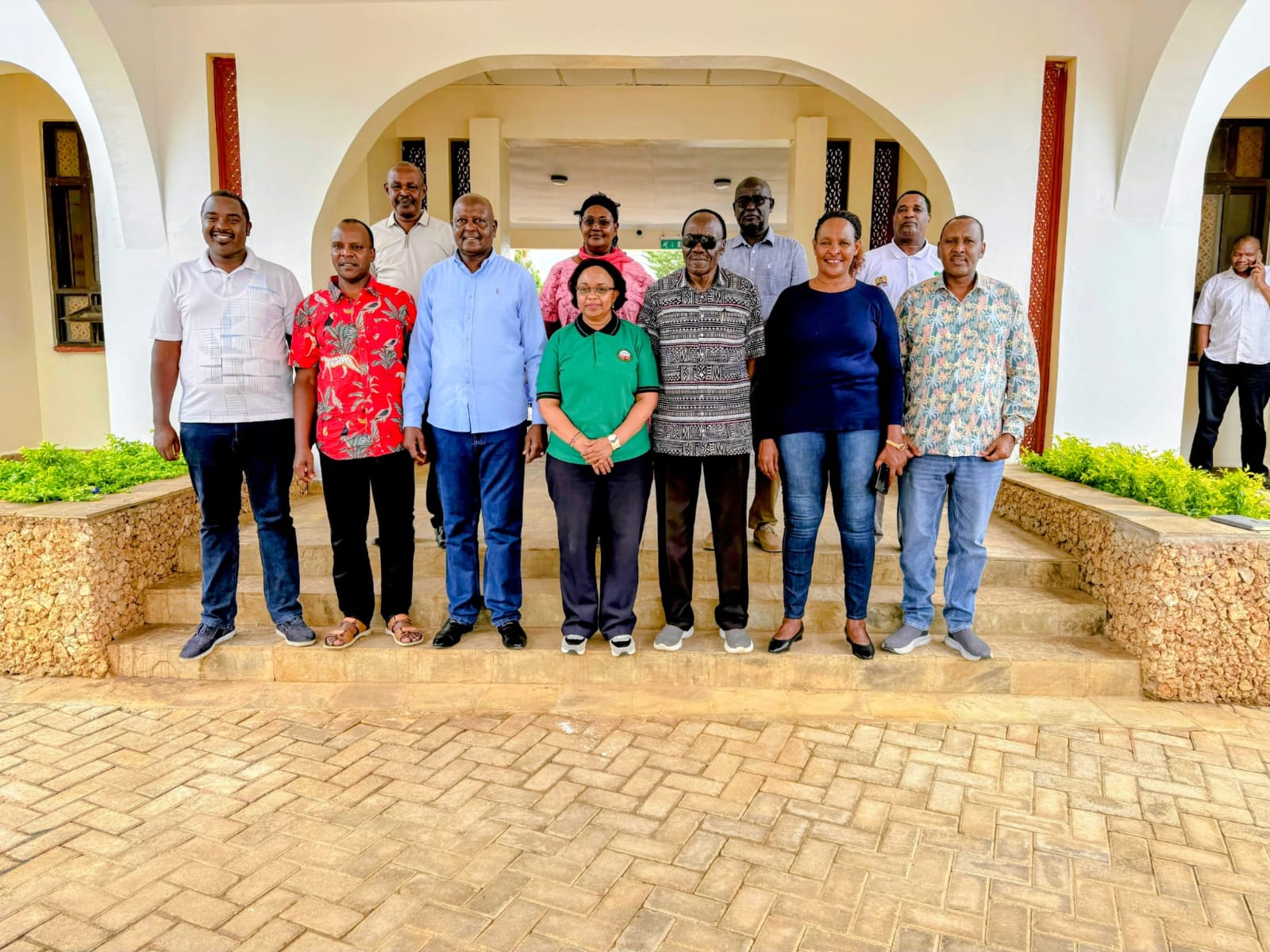
The Government has convened a two-day National Mangrove Stakeholder Forum in Lamu County as it seeks to strengthen policy leadership, coordination and partnerships for the sustainable management of Kenya’s mangrove ecosystems, amid growing concerns over degradation of one of the country’s most valuable natural resources.
Bringing together government agencies, county governments, development partners, researchers, conservation organisations, the private sector and Community Forest Associations, the forum is expected to review progress made under the National Mangrove Ecosystem Management Plan (2017–2027) while charting the country’s next strategy for mangrove conservation.
Held under the theme, “Advancing Policy Leadership, Coordination and Community-Led Stewardship for Kenya’s Mangrove Ecosystem,” the forum serves as a precursor to the 2026 World Mangrove Day commemorations to be held in Mokowe, Lamu County, on July 26.
According to the State Department for Forestry, Kenya’s mangrove forests cover approximately 61,271 hectares along the country’s 536-kilometre coastline, with Lamu accounting for 61 per cent of the national coverage, followed by Kilifi and Kwale at 14 per cent each, Mombasa at six per cent and Tana River at five per cent.
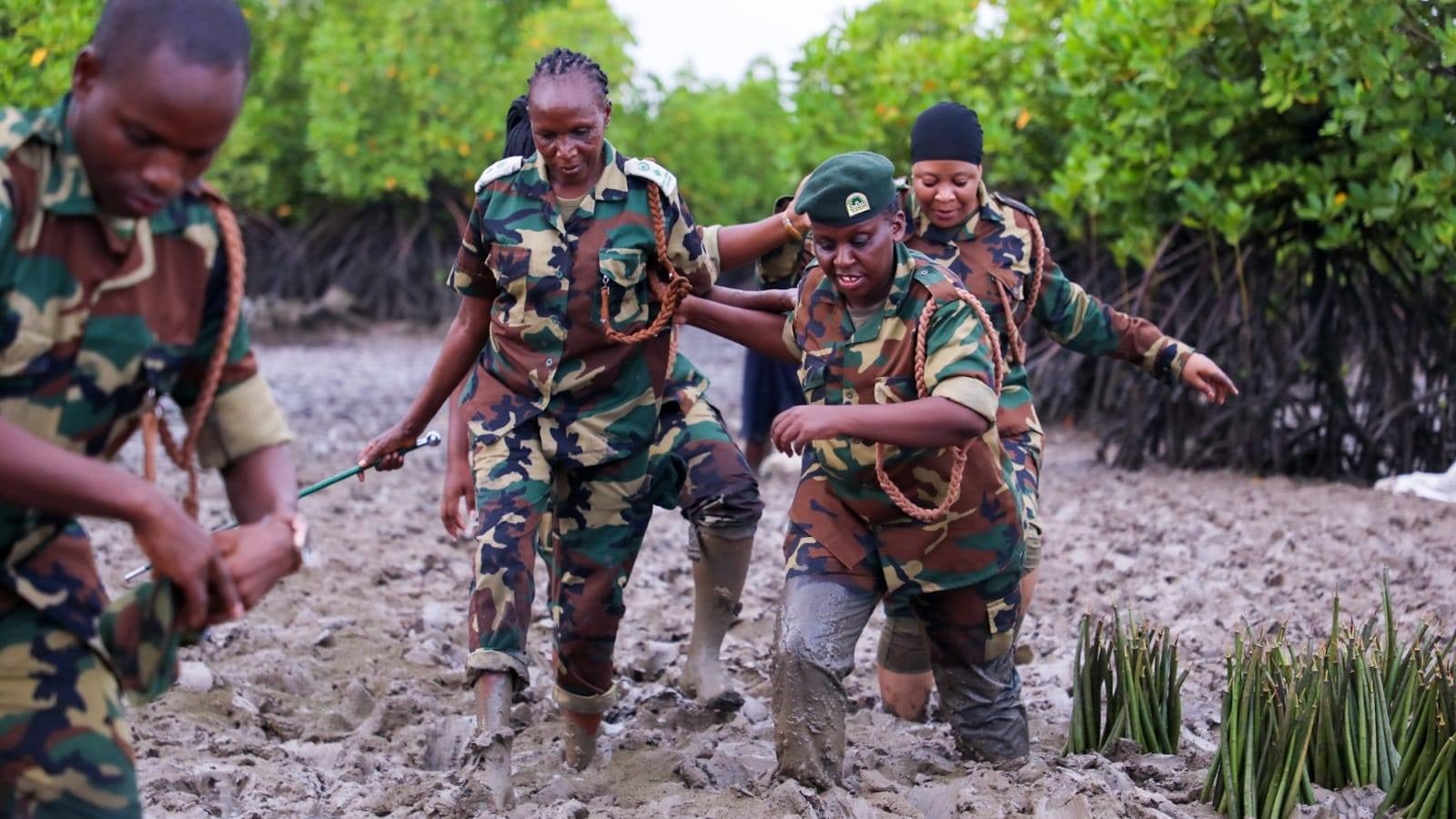
Also Read: KFS, Scouts Turn Guinness Bid Into Major Mangrove Restoration Mission
Despite their ecological and economic importance, the ecosystems continue to face increasing pressure from illegal harvesting, encroachment, pollution, coastal development, sedimentation, climate change and reduced freshwater flows resulting from upstream river damming.
These threats have contributed to an annual mangrove cover loss rate of 0.7 per cent, higher than that recorded in Kenya’s other forest ecosystems, underscoring the need for stronger governance and coordinated conservation efforts. 9
The forum will assess achievements, lessons and challenges encountered during implementation of the current management plan while generating recommendations to guide the next phase of mangrove governance.
Discussions will also focus on strengthening partnerships, improving coordination among stakeholders, identifying financing opportunities for restoration programmes and promoting greater private sector participation.
Also Read: Antoine Moses Sets Historic Mangrove Record in Kenya as PS Gitonga Hails Feat
Expected outputs include a comprehensive review report on implementation of the National Mangrove Ecosystem Management Plan, strategic recommendations for improved governance, strengthened stakeholder coordination and an action framework to guide future conservation efforts.
The forum also contributes directly to national priorities, including the 15 Billion Trees Programme by 2032, ecosystem restoration, biodiversity conservation, climate change commitments and the country’s blue economy agenda.
As Kenya prepares to develop the next chapter of its mangrove conservation strategy, stakeholders say the success of future restoration efforts will depend on stronger collaboration between government institutions, local communities, researchers, conservation partners and the private sector.
The Lamu forum is expected to provide the consensus needed to turn that shared vision into coordinated national action.
Follow our WhatsApp Channel and X Account for real-time news updates.