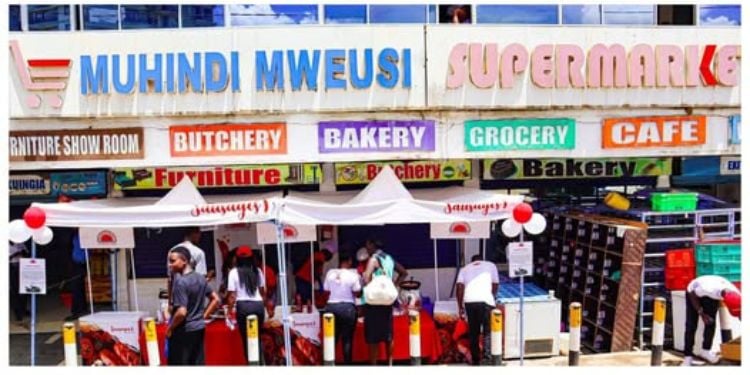



Kenyans could face continued pressure on household budgets as food supply constraints, higher fuel and transport costs, and global economic shocks keep inflation elevated in the coming months.
The Central Bank of Kenya (CBK), in its September 2026 Market Perceptions Survey, says businesses expect inflation to remain slightly elevated over the next three months, mainly because of higher food, fuel and energy prices.
According to the CBK report, rising energy costs are expected to increase transport, electricity, production and distribution expenses. These additional costs could put pressure on the prices consumers pay for goods and services.
The report also identifies changes in global commodity prices and geopolitical tensions as risks that could sustain imported inflation, making goods sourced from other countries more expensive.
The survey captures the expectations of businesses and financial institutions, rather than a guarantee that prices will rise across all categories.
“Respondents to the September 2026 Market Perceptions Survey expect inflation to remain above 5 percent but within the target range over the next three months, driven by higher fuel and transport costs, weather-related food supply constraints, and global shocks, particularly the geopolitical tensions in the Middle East,” the report states.
Why Food Prices Could Remain High
The CBK survey also flags food supply constraints, and the report says food price pressures could persist because of supply limitations, seasonal factors affecting output from the long rains, and distribution challenges.
Also Read: How Landlords and Employed Kenyans Drive Most Bank Defaults — CBK
When less food reaches markets or distribution becomes more expensive, prices can come under pressure. However, the CBK also identifies factors that could improve food availability and moderate price increases.
According to the report, improved agricultural production following the short rains and increased storage capacity are expected to help increase food supplies and ease pressure on prices.
The CBK further says improved food supply chains, favourable rainfall and farm input subsidies could help moderate food price pressures over the medium term.
How Fuel and Transport Costs Affect Households
The CBK survey identifies higher fuel and energy costs as an inflation risk because they affect several parts of the economy.
Transport costs influence how much businesses spend moving agricultural produce, manufactured goods and other supplies to markets. Higher electricity and production expenses can also increase the cost of operating businesses.
If businesses pass some of these additional expenses on to consumers, households could pay more for certain goods and services.
The report also points to global oil prices and geopolitical tensions as factors that could affect costs. However, it says stabilising global oil prices and keeping domestic energy prices stable could help protect households and businesses from further cost pressures.
What Could Prevent Prices From Rising Further?
Despite the risks, the CBK survey identifies several factors that could help contain inflation.
The report says exchange-rate stability could limit imported inflation, while prudent monetary policy is expected to keep inflation expectations anchored around the CBK’s medium-term target.
Better harvests could help lower food prices by increasing supply. The report also says stable global oil prices and government efforts to control inflation could help ease price pressures.
In the longer term, businesses expect inflation to remain around the middle of the CBK’s target range, supported by stable economic conditions, better food production and improved supply chains.
Also Read: CBK Reveals Why Some Kenyans Will Pay More for Bank Loans Under New System
However, the CBK cautions that changes in global commodity prices, weather-related shocks, and geopolitical uncertainty remain risks to this outlook.
Separate data from the Kenya National Bureau of Statistics (KNBS) shows that annual consumer price inflation stood at 6.8% in September, meaning the general price level was 6.8% higher than in September 2025.
In its September Consumer Price Index report, KNBS said food and non-alcoholic beverage prices rose 9.5% over the year, while transport prices rose 15.6%. Housing, water, electricity, gas, and other fuel prices rose 3.2%.
These figures show price increases already recorded over the previous year. The CBK survey, by contrast, reports what businesses expect to happen in the coming months.
Other Economic Trends in the CBK Survey
The CBK’s September 2026 survey also looks at what businesses expect for lending, jobs and economic activity in the coming months.
According to the CBK survey, banks project credit growth to reach 11.2% by December 2026, up from 9.9% projected in the July survey. Respondents expect financing for micro, small and medium-sized enterprises, agriculture, trade, construction, energy and manufacturing to support lending. Digital lending and demand for working capital are also expected to support borrowing.
The report also indicates that lending rates are expected to remain broadly stable over the next 12 months, supported by expectations of a stable Central Bank Rate. However, high borrowing costs, collateral requirements and strict lending conditions remain challenges for some businesses seeking credit.
Economic activity is expected to pick up towards the end of the year. The CBK survey says respondents expect business activity to remain moderate in October and November before gaining momentum in December. Credit expansion, infrastructure spending and increased consumer demand during the festive season are expected to support the improvement.
On employment, the report indicates that businesses expect job levels in 2026 to remain broadly stable compared with 2025, although banks anticipate stronger hiring than other private-sector firms. Respondents cited business expansion, recruitment of new talent and the need for additional skills among the factors shaping their employment plans.
The survey also points to a moderate economic growth outlook for 2026, supported by activity in services, agriculture and industry, as well as private-sector credit. In the medium term, respondents project growth of about 4.5% in 2027, then above 5% in 2028 and 2029.
Follow our WhatsApp Channel and X Account for real-time news updates.