


The Kenya Union of Post-Primary Education Teachers (KUPPET) has warned teachers against reporting to or remaining in schools during the national examination period.
In a notice dated November 4, the union noted it had received reports that some teachers reported to schools despite restrictions by the Kenya National Examinations Council (KNEC).
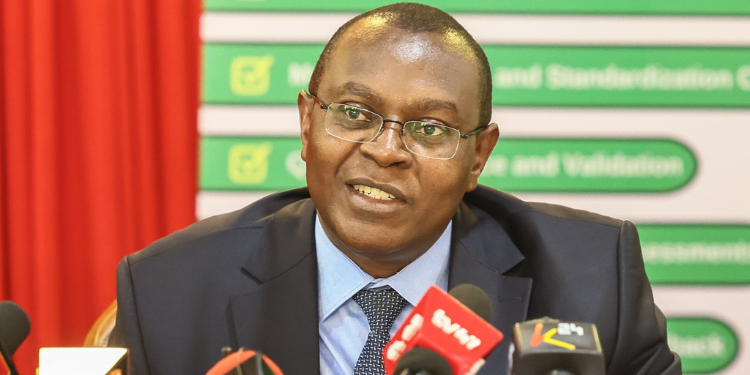
KUPPET Makueni Executive Secretary Justus Kimeu cautioned teachers against disregarding official KNEC regulations, warning that those who violate the rules risk disciplinary action.
The union also urged school administrators to stop issuing verbal or unofficial instructions that could expose teachers to disciplinary consequences.
It maintained that examination regulations are binding and must be observed by teachers and school heads.
Kimeu also urged the relevant education authorities to protect teachers from instructions that conflict with examination requirements.
“I wish to remind all teachers, school administrators and education stakeholders that KNEC examination regulations are binding and must be respected. Teachers should not expose themselves to disciplinary actions by ignoring examination protocols or acting on instructions that contradict official examination guidelines,” Justus Kimeu stated.
Also Read: KCSE 2026: Items Candidates Are Not Allowed to Carry Into the Examination Room
KUPPET to Reinforce What KNEC Says About Teachers’ Presence in Examination Centres
KNEC guidelines restrict access to examination centres to personnel authorised to take part in the administration of national examinations.
In its 2026 briefing notes for examination officials, the council states that no unauthorised Persons should be in the examination center when the examinations and assessments are in progress.
The examination guidelines also identify school directors, Board of Management chairpersons and members, bursars, accounts clerks, school secretaries, unauthorised teachers and groundskeepers among those who should not be present in examination centres while examinations are in progress.
“No Unauthorised Persons should be in the examination center when the examinations and assessments are in progress, including the following: School Directors; BOM chair/Members; Bursar/accounts clerks; Secretary; Unauthorised teachers; and groundsmen,” KNEC directs.
According to KNEC, those permitted to access examination centres include centre managers, deputy heads of institutions, supervisors, security officers, invigilators, gatekeepers and cooks.
Laboratory assistants and science or technical teachers may also be allowed into centres when required for practical examinations.
Also Read: Ogamba Announces Special KCSE Arrangements for Candidates Outside Regular Centres
Potential Disciplinary Action Teachers Could Face
Teachers who breach regulations may face disciplinary action by the Teachers Service Commission, depending on the findings of the disciplinary process.
Regulation 154 of the TSC Code of Regulations for Teachers provides for penalties including a written warning, a surcharge, and suspension for up to six months without salary and allowances, retirement in the public interest or dismissal from the teaching service.
“A teacher has committed an offense that does not warrant removal from the Register and may warn the teacher in writing, surcharge the teacher, suspend the teacher for such period not exceeding six months without payment of salary and allowances, or retire the teacher in the public interest,” Regulation 154(2) of the TSC Code of Regulations for Teachers outlines.
The Commission may also remove a teacher’s name from the register where the offense warrants such action.
According to TSC, the disciplinary process requires the teacher to be informed of the allegations and allowed to respond before the Commission decides.
Follow our WhatsApp Channel and X Account for real-time news updates and subscribe to our YouTube Channel for in-depth interviews.