The Teachers Service Commission (TSC) has begun reviewing its Career Progression Guidelines (CPG), which could pave the way for an overhaul of teacher promotion pathways and change how educators advance within the profession.
The current system is structured under the B5–D5 grading framework, which places teachers in a hierarchical structure beginning with Primary Teacher II at B5, progressing through Primary and Secondary Teacher I (C1), Senior Teacher grades (C2–C3), and mid-level leadership roles such as Deputy Headteacher and Senior Master (C4).
At the higher end of the scale, teachers move into senior administrative and leadership positions including Headteacher (C5) and Senior Headteacher or Deputy Principal roles (D1), before advancing to Deputy Principal (D2), Principal (D3), Senior Principal (D4), and finally Chief Principal at D5, the highest grade under the current structure.
The TSC grading system also extends to Curriculum Support Officers and lecturers, who are placed within the same structured progression framework.
The proposed changes, currently under stakeholder consultation, seek to replace the existing B5–D5 grading system with a simplified six-level career progression model to make teacher advancement more predictable, structured, and aligned with evolving competencies in the education sector.
TSC Reviews Career Progression Guidelines: What Teachers Need to Know
Under the draft framework being discussed, the new structure would group teachers into six broad levels ranging from entry-stage educators to top-tier education administrators.
However, the Commission has emphasized that no final framework has been adopted and the proposals remain subject to consultation.
If the review is implemented, Level One would cover entry teachers focusing on induction and foundational classroom practice.
Level Two would target developing teachers, strengthening their subject mastery and instructional delivery.
Also Read: Degree Courses Recognized by TSC for Teachers
Meanwhile, Level Three would define proficient teachers, expected to demonstrate consistent, independent classroom performance.
Level Four would recognize senior teachers taking up mentorship roles, subject coordination, and departmental leadership responsibilities.
Level Five would cater to advanced specialists involved in curriculum leadership and school-based support functions, while Level Six would be reserved for executive leadership roles such as school heads, senior principals, and education administrators.
TSC Chair Muturi, and Ag CEO Mitei Outline Vision for New Teacher Career Progression Framework
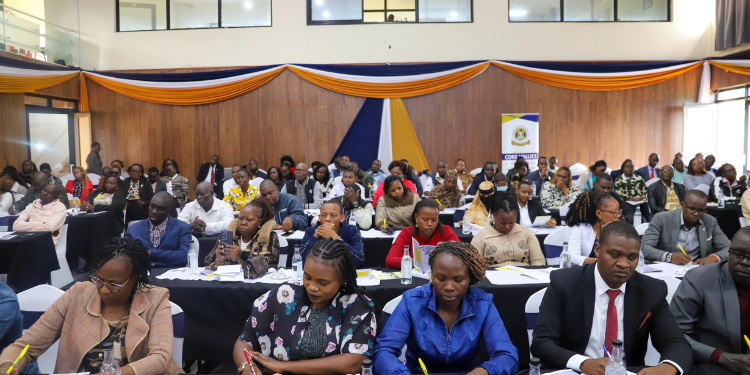
The review process gained momentum during a stakeholder engagement forum on Tuesday, June 9, chaired by Jamleck Muturi, who presided over discussions on the proposed Career Progression Guidelines for teachers and Curriculum Support Officers (CSOs).
According to Muturi, the review is intended to strengthen governance within the teaching service, improve human resource management, and support professional growth across the sector.
He noted that the Commission is committed to an inclusive process that brings together teachers, CSOs, unions, and education partners to ensure the final framework is practical and responsive.
“Your voice matters in building the future of the teaching service,” Muturi said during the engagement.
Also Read: How Much Do School Principals Earn in Kenya? TSC Salaries, Job Groups and Allowances Breakdown
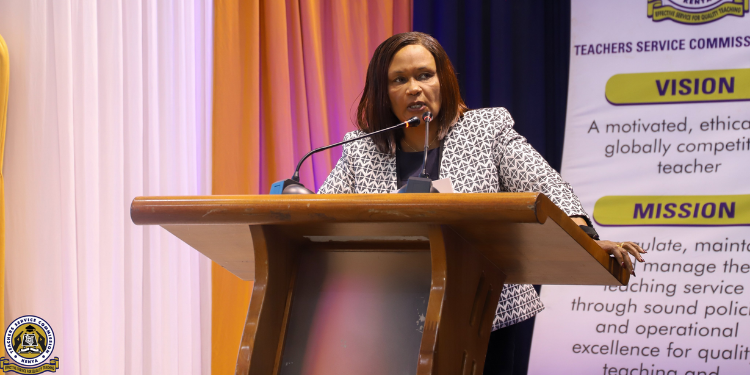
Speaking at the same forum held at the Kenya Institute of Special Education (KISE), Acting Chief Executive Officer Evaleen J. Mitei reaffirmed that the success of the Commission is anchored on the professionalism, dedication, and competence of teachers and Curriculum Support Officers.
Mitei said the review aims to strengthen systems that support career growth and professional development.
She described the exercise as more than a policy update, calling it a strategic investment in talent development, productivity, and institutional resilience within the teaching service.
TSC stated that it is also working to establish clear, merit-based career pathways that recognize performance, qualifications, and potential, while removing barriers to professional growth.