
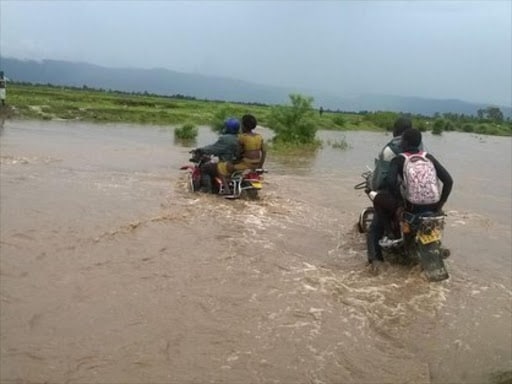
As Kenya braces for the heavy El Niño rains, St John’s Ambulance warns that the anticipated flooding could be more destructive than the catastrophic 1997 floods.
In an exclusive interview with Teddy Ernest of The Kenya Times, the organization’s Emergency Medical Services manager, Kennedy Kiplagat, identified low-lying communities, urban areas with poor drainage, regions along the Tana River, Budalangi, parts of Elgeyo-Marakwet, and parts of Central Kenya as risk zones.
According to Kaptagat, the greatest danger during flooding is not the water itself but the assumptions people make.
“People assume they know the road, they assume the water is shallow, or they assume that flooding only happens in areas that have flooded before,” he said. “This year’s rains are expected to be different and more severe, meaning even areas that have never experienced flooding before could be affected.”
He further advised motorists and pedestrians not to cross flooded roads, warning that even a few inches of moving water could easily sweep away vehicles.
Beyond drowning, the humanitarian leader points out electrocution, disease outbreaks, contaminated water, damage to crops and livestock, road accidents, landslides, and displaced dangerous wildlife entering residential areas as risks associated with flooding.
Kiplagat urged Kenyans to assess their vulnerability, develop family emergency plans, and keep emergency supplies.
In addition, residents living in vulnerable areas are advised to consider moving to safer grounds and stay updated through weather advisories issued by the Kenya Meteorological Department.
The EMS manager encouraged Kenyans to learn basic first aid and emergency response skills, saying that these skills would help them save lives before professional responders arrive. He urged people not to fear helping the injured because of legal matters or hospital bills.
“Bystanders should not fear helping accident victims. The Good Samaritan law protects those who act in good faith, and SHA covers emergency care for the first 24 hours. In an emergency, call 922 (toll-free) or St John’s line on 0721 225 285,” he said.
Kiplagat heads Emergency Medical Services at St John Ambulance Kenya, a century-old humanitarian organization established under Cap 259 that has provided emergency care, ambulance services, and first-aid training in Kenya since 1923.
Ahead of the anticipated rains, St John is increasing its ambulance capacity, training communities in flood response, and working with government agencies to strengthen emergency preparedness.
Watch the full interview below.