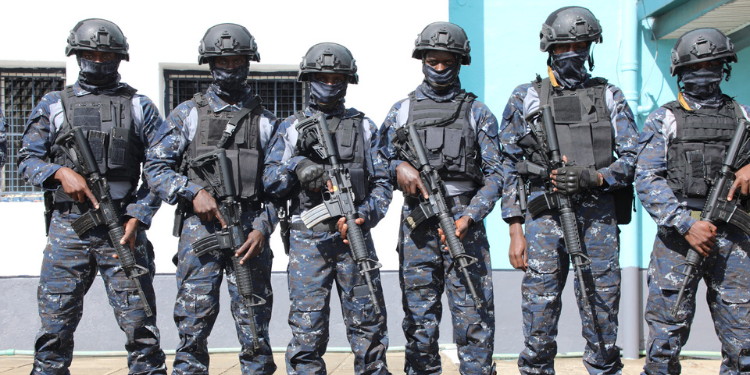
The Elite Response Team (ERT) of the Directorate of Criminal Investigations (DCI) is a specialized tactical unit operating under the Anti-Terrorism and Protection Unit (ATPU).
It is tasked with responding to the country’s most dangerous security threats and handling high-risk missions ranging from counter-terrorism operations to armed confrontations and hostage rescues.
The unit is known for its precision, discipline, and advanced training, which supplement investigative work and help ensure public safety.
Organizational Structure of ATPU
The Anti-Terrorism Police Unit (ATPU) was formed on 10th February 2003 in response to terrorist attacks, including the US Embassy bombing in Nairobi and targeted assaults on hotels.
Also Read: Inside KDF Training: The Drills Recruits Do and Why It’s Necessary
The rising radicalization of youths from East Africa who sought to join terror groups such as Al-Shabaab and ISIS highlighted the need for a special unit to counter violent extremism.
The unit’s headquarters is in the old Nairobi area, and it operates through four regional offices: Nairobi, North Eastern, Coast, and Western.
These offices are further supported by multiple detachments across the country, ensuring rapid deployment and wide coverage.
Each regional office coordinates intelligence, surveillance, and operational planning within its area, enabling swift response to any emerging threat, working closely with national and regional security agencies
The Elite Response Team (ERT)
The ERT serves as the tactical arm of ATPU.
Its personnel are carefully selected from DCI ranks and undergo intensive physical, tactical, and firearms training to handle extreme situations.
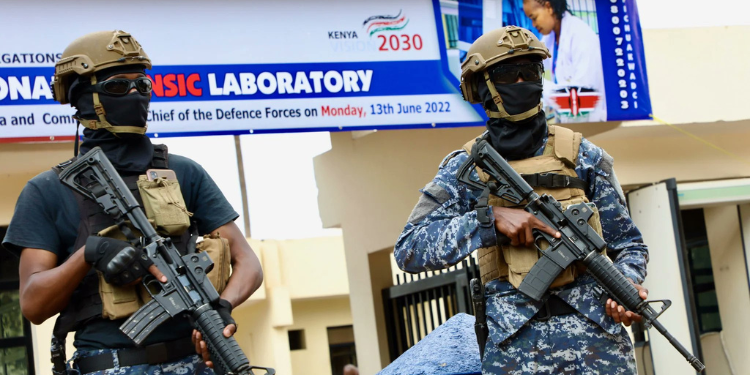
The team is equipped with advanced police and military-grade equipment, including armored vehicles, specialized firearms, and tactical gear.
This allows the ERT to respond to high-risk terror incidents, hostage situations, and armed criminal activities with precision and speed.
ERT members support investigative units by securing crime scenes, gathering evidence, and managing high-threat situations.
The team operates under strict protocols to ensure operations respect citizens’ rights while neutralizing threats.
Joint exercises with other security agencies further enhance their operational efficiency, ensuring they remain prepared for evolving threats.
Also Read: Inside the Kenya Navy: Structure, Training, Units and How the Maritime Force Protects Kenya’s Coast
Roles of Anti-Terrorism Police Unit
- Prevent, detect, disrupt and interdict terrorist activities within the country
- Exhaustively investigate all terrorism related cases
- Take control and secure evidence at all scenes of terrorist incidents
- Create profiles for suspected terrorists and establish a databank
- Share intelligence with other security agencies operating within the country
- Review and monitor security of vital installations and public spaces
- Conduct public awareness on the prevention of terrorism
Roles of Elite Response Team
Counter-Terrorism Operations
- Respond to active terrorist attacks
- Neutralize armed terror suspects and dismantle terror cells
- Conduct high-risk raids on locations suspected of harboring terrorists
Hostage Rescue and Crisis Response
- Rescue civilians from hostage situations
- Manage situations involving armed standoffs
- Ensure minimal harm to hostages while neutralizing threats
Support Investigative Operations
- Secure and control evidence at crime or terror scenes
- Assist investigative teams in executing warrants and arrests of dangerous suspects
- Provide tactical support during high-risk intelligence operations
Protection of Critical Installations and Public Spaces
- Guard high-risk locations such as embassies, government buildings, hotels, schools, and shopping centers during heightened threats
- Conduct tactical surveillance and proactive patrols in vulnerable areas
Rapid Response to Armed Threats
- Intervene in situations involving heavily armed criminals or gangs.
- Deploy quickly to any high-risk location nationwide
Training and Coordination
- Train other security personnel and agencies in tactical operations
- Conduct joint exercises with local and regional security forces for better preparedness
Specialized Intelligence Support
- Provide actionable intelligence during operations
- Assist in creating profiles for high-risk suspects and maintaining tactical database