Kipchoge Keino Stadium in Eldoret has undergone multiple rehabilitation and reconstruction efforts over nearly two decades as the government seeks to transform it into one of Kenya’s flagship sports venues ahead of the 2027 Africa Cup of Nations (AFCON).
The facility, named after Kenyan athletics legend Kipchoge Keino, has served football and athletics for decades and is currently undergoing a major upgrade under government supervision.
The facility served as a training ground for athletes preparing for the 1988 All Africa Games, linking it to one of the most significant sporting events staged in Kenya.
It is also set to host the 2026 Mashujaa Day celebrations and forms part of Kenya’s preparations for AFCON 2027.
Early Years
The stadium was established as a sports facility serving Eldoret and the wider North Rift region.
It became a venue for athletics competitions, football matches and community sporting activities.
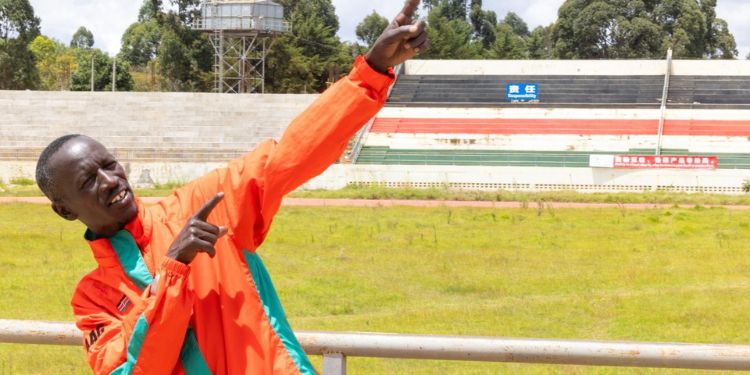
The facility was named after Kipchoge Keino, Kenya’s Olympic champion and one of the country’s most celebrated athletes.
Over the years, local football clubs including Rivatex and Eldoret KCC used the stadium for matches, while athletics events remained a key part of its programme.
Its location in Kenya’s athletics heartland made it an important facility for a region that has produced numerous Olympic and world champions.
However, the stadium’s infrastructure deteriorated over time, prompting calls for government intervention and investment.
Government Efforts to Save Kipchoge Keino Stadium
In 2007, the Kenyan government allocated KSh100 million for upgrading the facility after it fell into disrepair.
The funding marked the first major effort to restore the stadium and improve its infrastructure.
The upgrades, however, progressed slowly and the facility continued to face infrastructure challenges.
In 2014, the Uasin Gishu County Government moved to complete sections of the renovation project after earlier works stalled because of insufficient funding.
Rio Olympics Trials
A major milestone in the stadium’s history came in 2016 when it hosted Kenya’s athletics trials for the Rio Olympic Games.
The event brought together the country’s leading athletes competing for places on the national team.
Hosting the trials reinforced the stadium’s importance within Kenyan athletics and demonstrated its continued relevance despite concerns about its ageing infrastructure.
The same year, the government launched a more ambitious reconstruction programme through Sports Kenya.
Reconstruction Project
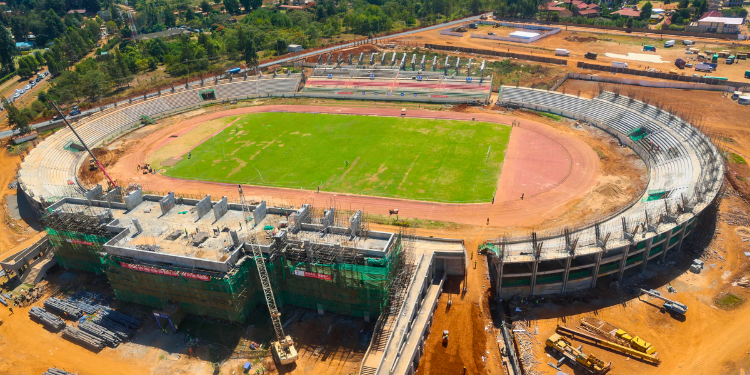
Sports Kenya launched a major reconstruction programme in 2016 to transform the ageing facility into a modern stadium capable of hosting international competitions.
The first phase involved construction of a 15,000-seat stadium together with a standard football pitch, perimeter wall, entrance gates, water facilities and parking areas.
The initial contract was awarded at Ksh304.2 million before being revised upward to about KSh369.7 million. The expected completion date was January 30, 2023.
A second phase involved construction of a 5,000-seat pavilion, additional parking space, lifts, a generator, water facilities and electrical and mechanical installations.
The contract was awarded at KSh325.8 million.
Despite substantial payments being made to contractors, the works failed to meet the scheduled completion dates.
Auditor-General inspections later found that sections of the project remained incomplete, while some contractors had stopped working or abandoned the site.
Also Read: Harambee Stars’ Full AFCON 2027 Qualifying Schedule as Tough Road Awaits
The government subsequently moved to terminate the contracts as it reviewed the facility’s design requirements.
AFCON 2027 Changes Plans
The stadium project gained renewed importance after Kenya secured the right to co-host the 2027 Africa Cup of Nations with Uganda and Tanzania.
Kipchoge Keino Stadium was identified as one of the facilities that would require major upgrades to meet international standards.
The revised plans included upgraded floodlights, a refurbished football pitch, VAR infrastructure, CCTV systems, sound systems, modern changing rooms, media facilities, medical and doping-control rooms, and an international-standard athletics track.
The government also approved expansion works that would increase the stadium’s capacity from approximately 10,000 spectators to more than 15,000.
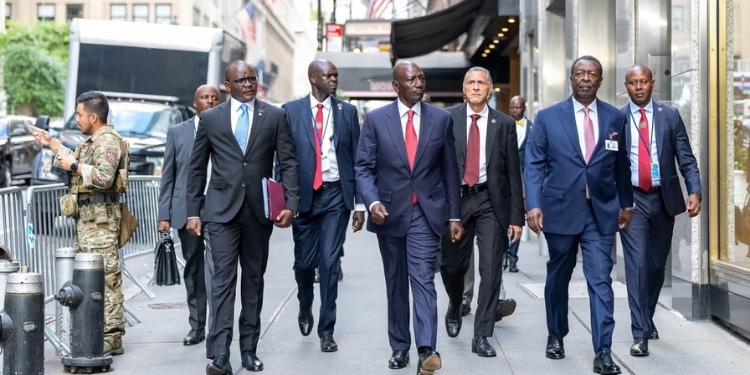
The project later came under the supervision of the Ministry of Defence, with reconstruction works continuing under a revised design.
The upgrades include expanded terraces, improved parking facilities, a conference hall, modern changing rooms and an indoor games hall.
Kipchoge Keino Stadium is scheduled to host Kenya’s Mashujaa Day celebrations on October 20, 2026.
Follow our WhatsApp Channel and X Account for real-time news updates.