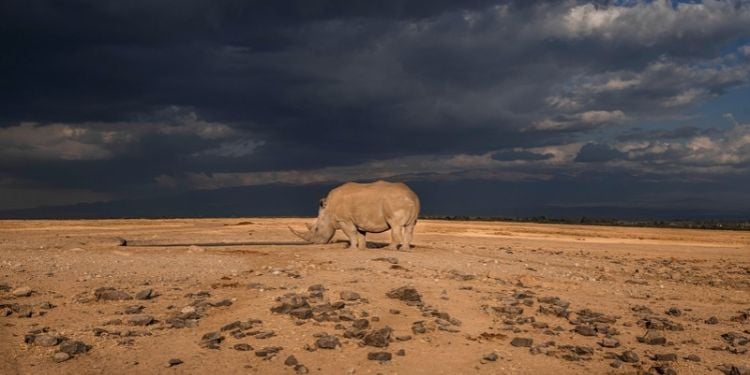


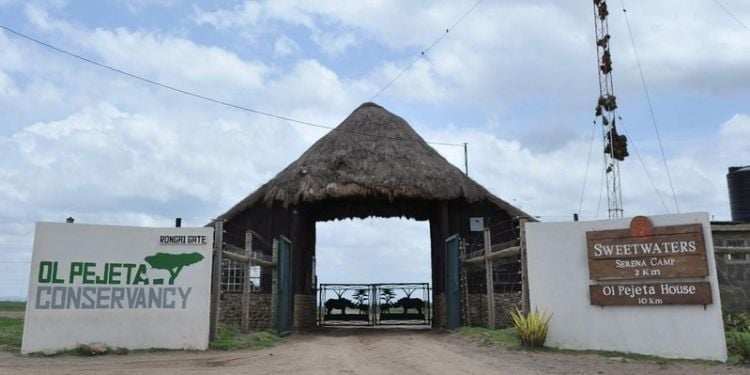
Ol Pejeta Conservancy is a 90,000-acre wildlife conservation area in Laikipia County, Kenya, known for its rhino protection programs, wildlife tourism, and livestock ranching.
The Kenyan-led, not-for-profit organization combines wildlife conservation with commercial enterprises, including tourism, agriculture, and livestock production. It also runs community development programs targeting people living around the conservancy.
Established in 2004, Ol Pejeta developed from a former cattle ranch into one of Kenya’s prominent wildlife conservation destinations.
Its operations combine income-generating activities with support from international conservation partners, donors, and philanthropic organizations.
Beyond its wildlife conservation work, the organization has a corporate structure involving different entities responsible for management, commercial operations, and fundraising.
History of Ol Pejeta Conservancy
The history of Ol Pejeta dates back to the 1940s, when British settler Lord Delamere acquired the property and established a beef ranch.
The property subsequently changed ownership several times, including a period when it was owned by Saudi businessman and arms dealer Adnan Khashoggi.
Conservation activities expanded in the late 1980s when Lonrho Africa established the adjacent Sweetwaters Game Reserve in 1988. The development was part of efforts to protect wildlife in the region, particularly elephants and rhinos threatened by poaching.
In 1992, the Sweetwaters Chimpanzee Sanctuary was established to provide a home for chimpanzees rescued from the illegal wildlife trade.
A major transformation occurred in 2003 when Fauna & Flora International, working with conservation partners and philanthropic funders, acquired the property.
Ol Pejeta Conservancy was formally established in 2004 and incorporated in Kenya in 2005 as a non-profit company.
The acquisition and subsequent restructuring transformed the former cattle ranch into a conservation organization that combines wildlife protection, tourism, livestock production, and community development.
Who Owns Ol Pejeta Conservancy?
Ol Pejeta is not structured like a conventional privately owned safari business. Its land and assets are held in trust for the benefit of the Kenyan people, while a Kenyan-led, not-for-profit structure manages its operations.
The organization operates through three main entities with different responsibilities.
| Entity | Role |
| Ol Pejeta Conservancy Limited | The non-profit governing and management organization, overseen by a voluntary board. |
| Ol Pejeta Ranching Limited | The trading subsidiary responsible for the land, ranching operations, and Sweetwaters Chimpanzee Sanctuary. Ol Pejeta Conservancy Limited wholly owns it. |
| Ol Pejeta Conservancy UK | A UK charitable fundraising organization established in 2019 to mobilize support for conservation and community programs in Kenya. |
The original acquisition involved Fauna & Flora International, the Arcus Foundation and Lewa Wildlife Conservancy.
These organizations remain represented on Ol Pejeta’s board. They are involved through the conservation governance structure rather than conventional commercial shareholding.
The arrangement allows the conservancy to generate income from its operations while maintaining its not-for-profit conservation objectives.
Who Founded Ol Pejeta Conservancy?
Ol Pejeta does not have one individual founder. Its current structure emerged from the 2003 acquisition of the property and the subsequent establishment of the conservancy by conservation organizations and philanthropic partners.
Fauna & Flora International played a central role in leading the acquisition and establishing the organization.
The Arcus Foundation, founded by American philanthropist Jon Stryker, provided the principal financial backing for the land purchase.
Lewa Wildlife Conservancy also participated as a founding conservation partner, helping secure and develop the property.
Another important figure in the establishment of the current structure was lawyer Philip Coulson. He handled Lonrho’s exit in 2004, established Ol Pejeta Conservancy Limited and developed the corporate arrangement through which the organization operates.
Coulson has chaired the boards of Ol Pejeta Conservancy Limited and Ol Pejeta Ranching Limited since 2014.
Other individuals associated with the organization’s early governance include Dr Helen Gichohi and Francis Ole Kaparo, who were among the directors serving when Ol Pejeta marked its 20th anniversary in 2024.
Business Interests of Ol Pejeta Conservancy
Ol Pejeta operates a business model that combines commercial revenue with philanthropic funding. Its trading subsidiary, Ol Pejeta Ranching Limited, oversees income-generating activities, with proceeds supporting conservation, habitat management and community programs.
Also Read: Inside Luxury Maasai Mara Camp Soon Charging at Least Ksh142K Per Night [PHOTOS]
The organisation relies on tourism, agriculture, livestock production and external funding to sustain its operations. Its main business interests include:
- Tourism and hospitality
Tourism is one of Ol Pejeta’s biggest sources of income. The conservancy earns revenue from wildlife safaris, accommodation, guided experiences, entry fees and other visitor services.
Its 2030 strategy identifies tourism as contributing approximately 50 percent of its revenue. The income supports wildlife protection, security operations, habitat management and community development.
- Livestock and cattle ranching
Ol Pejeta maintains commercial livestock operations alongside wildlife conservation. Cattle ranching generates income while supporting the conservancy’s approach to managing grasslands and maintaining suitable wildlife habitats.
The organization uses managed grazing to improve rangeland conditions, allowing livestock and wild animals to share the landscape.
- Agriculture
Agriculture is another component of the conservancy’s commercial activities. The organization combines agricultural production with community livelihood programs and initiatives that support farming activities in neighboring areas.
Its integrated conservation model recognizes agriculture and livestock production as part of its wider approach to financial sustainability and community development.
- Sweetwaters Chimpanzee Sanctuary
Ol Pejeta operates the Sweetwaters Chimpanzee Sanctuary, established in 1992 to care for chimpanzees rescued from the illegal wildlife trade.
The sanctuary provides a protected environment for the animals and supports conservation education and public awareness about the threats facing chimpanzees.
- Conservation technology
The conservancy also invests in technology to strengthen wildlife protection, monitoring and security.
Its conservation work incorporates tools such as wildlife tracking systems, thermal-imaging equipment, drones and monitoring technology. These help conservation teams monitor animals, manage habitats and strengthen anti-poaching operations.
- Mount Kenya Wildlife Estate
Mount Kenya Wildlife Estate is a residential development linked to Ol Pejeta’s efforts to generate additional financial support for conservation.
The organization initiated the project in 2012 as part of its property-related income initiatives.
- Philanthropy and international grants
Ol Pejeta also receives financial support from international donors, conservation organizations and philanthropic foundations.
Its UK fundraising arm, Ol Pejeta Conservancy UK, was established in 2019 to raise funds for conservation and community development programs in Kenya. These funds supplement income generated through its commercial activities.
What Does Ol Pejeta Conservancy Protect?
Ol Pejeta is particularly known for its rhino conservation programs. It manages Kenya’s largest single population of eastern black rhinos and provides a protected home for Najin and Fatu, the world’s last two northern white rhinos.
Other wildlife species in the conservancy include elephants, lions, Grevy’s zebras, and Beisa oryx.
Its conservation activities extend beyond protecting individual animal species to include habitat management, wildlife monitoring, veterinary support, and security operations.
The organization also works with neighboring communities through education, water access, agricultural support, and livelihood programs.
How Ol Pejeta Supports Surrounding Communities
Community development is one of the central components of Ol Pejeta’s conservation model.
The organization introduced community development programs in the late 2000s, starting with education scholarships and later expanding into livelihood support and other initiatives.
Also Read: How Much Kenyans Will Pay to Visit National Parks Under New KWS Fees
Its programs seek to improve relations between wildlife conservation activities and neighboring communities by supporting education, farming, economic opportunities, and access to essential resources.
The approach reflects the organization’s view that long-term wildlife conservation must also consider the economic and social needs of people living around protected areas.
How Ol Pejeta’s Conservation Model Works
Ol Pejeta’s operations combine a not-for-profit management structure with commercial enterprises and philanthropic support.
Ol Pejeta Conservancy Limited oversees conservation and management, while Ol Pejeta Ranching Limited operates commercial activities that generate income. Its UK charitable arm helps mobilize international funding.
Revenue from tourism, agriculture and livestock activities, alongside donations and grants, supports wildlife protection, habitat management and community development.
The model allows the conservancy to maintain its conservation activities while pursuing financial sustainability without operating as a conventional private safari business.
Follow our WhatsApp Channel and X Account for real-time news updates and subscribe to our YouTube Channel for in-depth interviews.