
U.S. President Donald Trump made a series of remarks about the ongoing conflict with Iran.
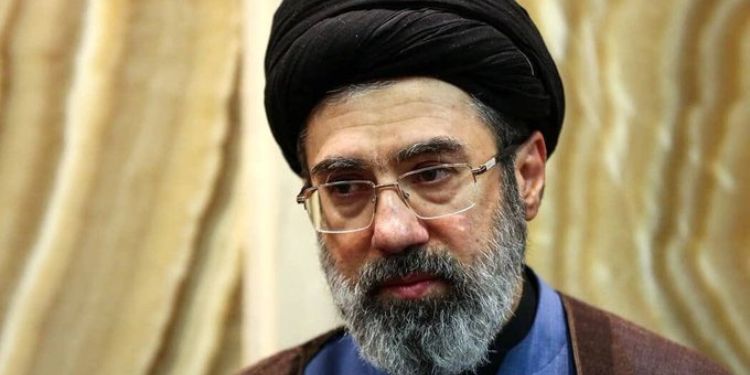
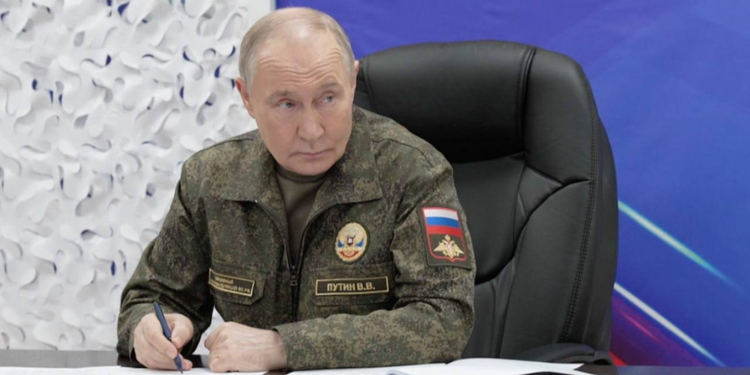
Speaking at the NRCC Annual Fundraising Dinner, Trump has stated that Iran had offered him to be their supreme leader, but he refused.
“It has never been a head of a country that wanted that job less than being the head of Iran. I don’t want it. We listen to some of the things they say, we hear them very clearly,” said Trump.
Trump Frames Iran as Wanting a Deal
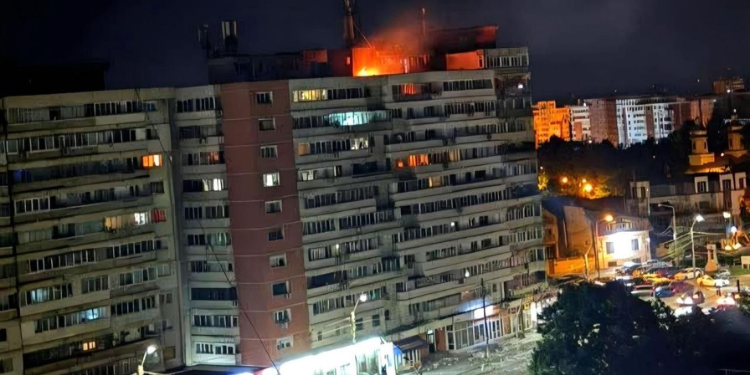
During the speech, Trump described the conflict now in its fourth week as a military campaign designed to compel Iran to agree to U.S. terms for ending hostilities.
He claimed that Iranian leaders are hesitant to acknowledge any willingness to negotiate publicly.
Also Read: Will American Taxpayers Send Another Plane Full of Cash to Iran Following Latest Demand?
Trump maintained that Tehran was “afraid” to accept a deal openly, a message he said he interpreted from recent interactions.
Trump on Truth Social stated that Iran had been “militarily obliterated, with no chance of a comeback”, and was “begging” for a deal, calling Iranian negotiators “very different and ‘strange.’
“They better get serious soon, before it is too late, because once that happens, there is NO TURNING BACK, and it won’t be pretty,” said Trump
According to Reuters, citing the Pakistan Foreign Minister, Indirect talks between the U.S. and Iran with other states, including Turkey and Egypt, are taking place.
White House has portrayed these interactions as indirect diplomatic engagement, often facilitated through intermediaries.
Iran Reviews Cease‑Fire Plan, Denies Talks
Iranian officials have publicly denied that any formal negotiations with the United States are taking place.
Tehran’s foreign ministry stated that it is reviewing a U.S. cease‑fire plan but insisted that no direct talks have occurred, and that communications received via intermediaries do not constitute negotiations.
Iran’s Press TV reported that Tehran will end the war only when it deems fit, and only if the conditions are met.
Also Read: Trump Pressures Iranian Negotiators to Act or Face Consequences
The demands include:
- Immediate end to attacks and assassinations on Iran
- Establishment of “concrete guarantees” against future US attacks
- Clear determination and guaranteed payment for war damages
- International recognition of Iran’s “authority” over the Strait of Hormuz
- An end to the war across all fronts, including for all Iranian proxies in the region
U.S. 15-Point Peace Plan to End War
Washington has put forward a proposed 15-point framework aimed at ending the ongoing conflict involving Iran and its regional allies.
The plan, presented as a pathway to de-escalation, combines military, economic, and diplomatic measures, including:
- Immediate ceasefire across all active fronts
- Halt to attacks and assassinations targeting Iran and its allies
- Iran to scale back its regional military involvement
- Resumption of negotiations over Iran’s nuclear program
- Stricter monitoring and enforcement of Iran’s nuclear activities.
- Limitation or rollback of Iran’s missile development programs
- Reduction of Iran’s influence in strategic waterways, including the Strait of Hormuz
- Conditional sanctions relief for Iran upon compliance
- Potential reintegration of Iran into global financial systems
- Security guarantees for U.S. allies in the Middle East
- Protection of key shipping routes and freedom of navigation
- Disarmament or de-escalation of Iran-backed proxy groups
- Broader regional cooperation with Gulf states to stabilize the area
- Measures to prevent further escalation and conflicts in the region
- Framework for ongoing diplomatic engagement to ensure long-term stability