The U.S. State Department has announced that Israel and Lebanon have agreed to extend their ceasefire by 45 days following two days of negotiations in Washington, as diplomatic efforts continue to prevent renewed escalation along the countries’ volatile border.
State Department spokesperson Tommy Pigott on Friday, May 15, described the talks as “highly productive” and confirmed that the April 16 cessation of hostilities, brokered by U.S. President Donald Trump, would remain in effect to allow further negotiations.
“The April 16 cessation of hostilities will be extended by 45 days to enable further progress,” Pigott said.
Israel, Lebanon extend ceasefire
According to the State Department, Israel and Lebanon are expected to reconvene political negotiations on June 2 and June 3, while a separate security track involving military delegations from both countries will begin at the Pentagon on May 29.
“We hope these discussions will advance lasting peace between the two countries, full recognition of each other’s sovereignty and territorial integrity, and establishing genuine security along their shared border,” Pigott added.
The latest round of talks marked the third meeting between Israeli and Lebanese officials since Israel intensified military operations in Lebanon after Hezbollah launched missiles into Israeli territory on March 2, days into the broader U.S.-Israeli conflict involving Iran.
Also Read: Two States Quietly Joined America and Israel to Strike Iran
The fighting between Israel and Hezbollah has continued alongside regional tensions tied to Iran, although hostilities since the April ceasefire have largely remained concentrated in southern Lebanon.
State Department Counselor Michael Needham led the U.S. delegation during the Washington talks alongside U.S. Ambassador to Israel Mike Huckabee and U.S. Ambassador to Lebanon Michel Issa.
Lebanon was represented by Ambassador to the United States Nada Hamadeh and presidential envoy Simon Karam. At the same time, Israel’s delegation included Ambassador Yechiel Leiter, Deputy National Security Adviser Yossi Draznin, and senior military officials.
Israeli broadcaster Kan reported that the negotiations included discussions around Hezbollah’s disarmament and unresolved border demarcation issues between the two countries.
Joint working groups are reportedly expected to handle both political and security matters as negotiations continue.
Hezbollah, which Iran backs, has repeatedly rejected calls for disarmament and dismissed the possibility of direct negotiations with Israel.
In August 2025, Lebanon’s cabinet instructed the military to bring all non-state weapons under government control, a decision widely viewed as targeting Hezbollah following its war with Israel in 2024.
Despite the ceasefire, clashes and military activity have continued along the border. Lebanon’s Health Ministry said Israeli strikes on Wednesday killed 22 people, including eight children, in the southern parts of the country.
Attacks
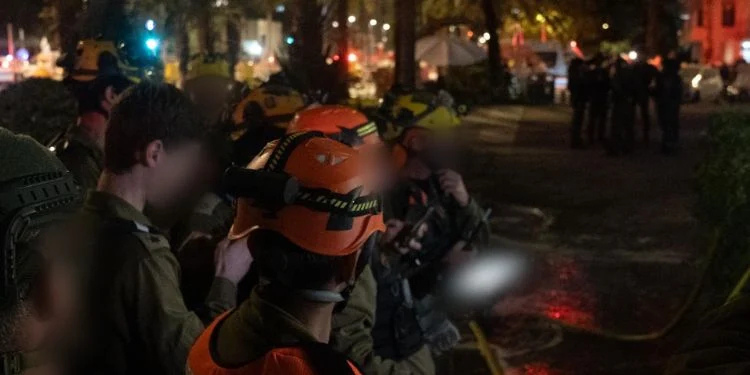
Israel has intensified artillery and air attacks in recent days, saying the operations target Hezbollah infrastructure and fighters. Lebanese authorities, however, have accused Israel of striking civilian areas and paramedics.
On Thursday and Friday, the Israeli military issued evacuation warnings in southern and eastern Lebanon before launching additional strikes against what it described as Hezbollah positions.
Also Read: Marco Rubio Blames Hezbollah for Israel-Lebanon Tensions and Lebanese Suffering
Israeli authorities also said a Hezbollah drone crashed inside Israeli territory on Thursday, injuring at least four civilians.
According to Lebanese authorities, at least 588 people have been killed and more than 1,200 injured in Lebanon since the ceasefire took effect in April.
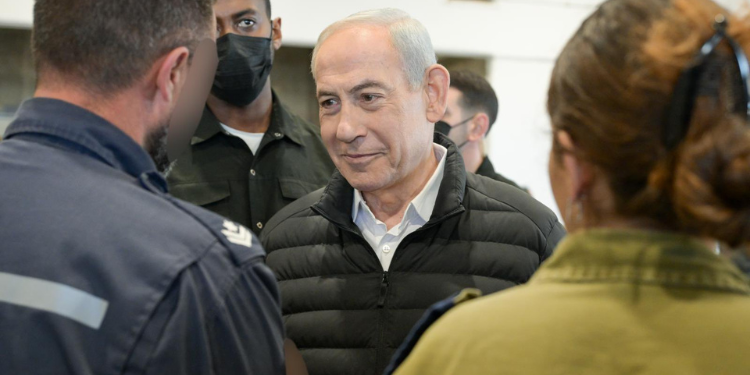
Israeli officials have also continued discussing plans for a proposed “security zone” extending to the Litani River in southern Lebanon, roughly 12 to 18 miles from the Israeli border.
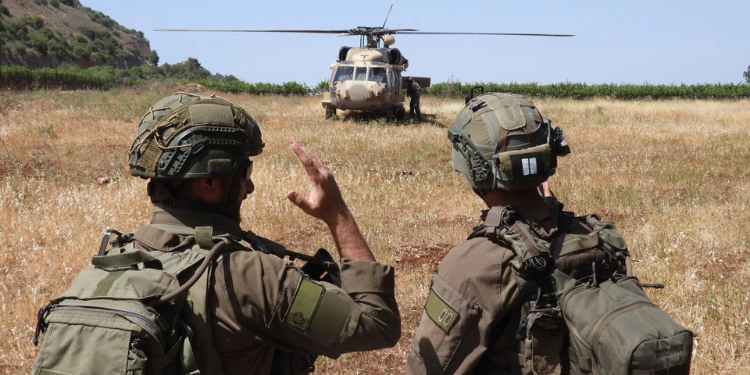
The conflict escalated significantly after Hezbollah fired missiles toward Israel in March in support of Iran, prompting Israel to expand ground operations into southern Lebanon.
Since then, evacuation orders have reportedly affected nearly 15 percent of Lebanese territory.
The ceasefire extension comes as the United States continues broader diplomatic efforts aimed at containing instability across the Middle East, including parallel negotiations involving Iran, maritime tensions in the Strait of Hormuz, and ongoing indirect discussions between Israel and regional actors.