South Africa is staring at a major cut in U.S. support for its HIV programs as the Trump administration moves to phase out PEPFAR funding for the country.
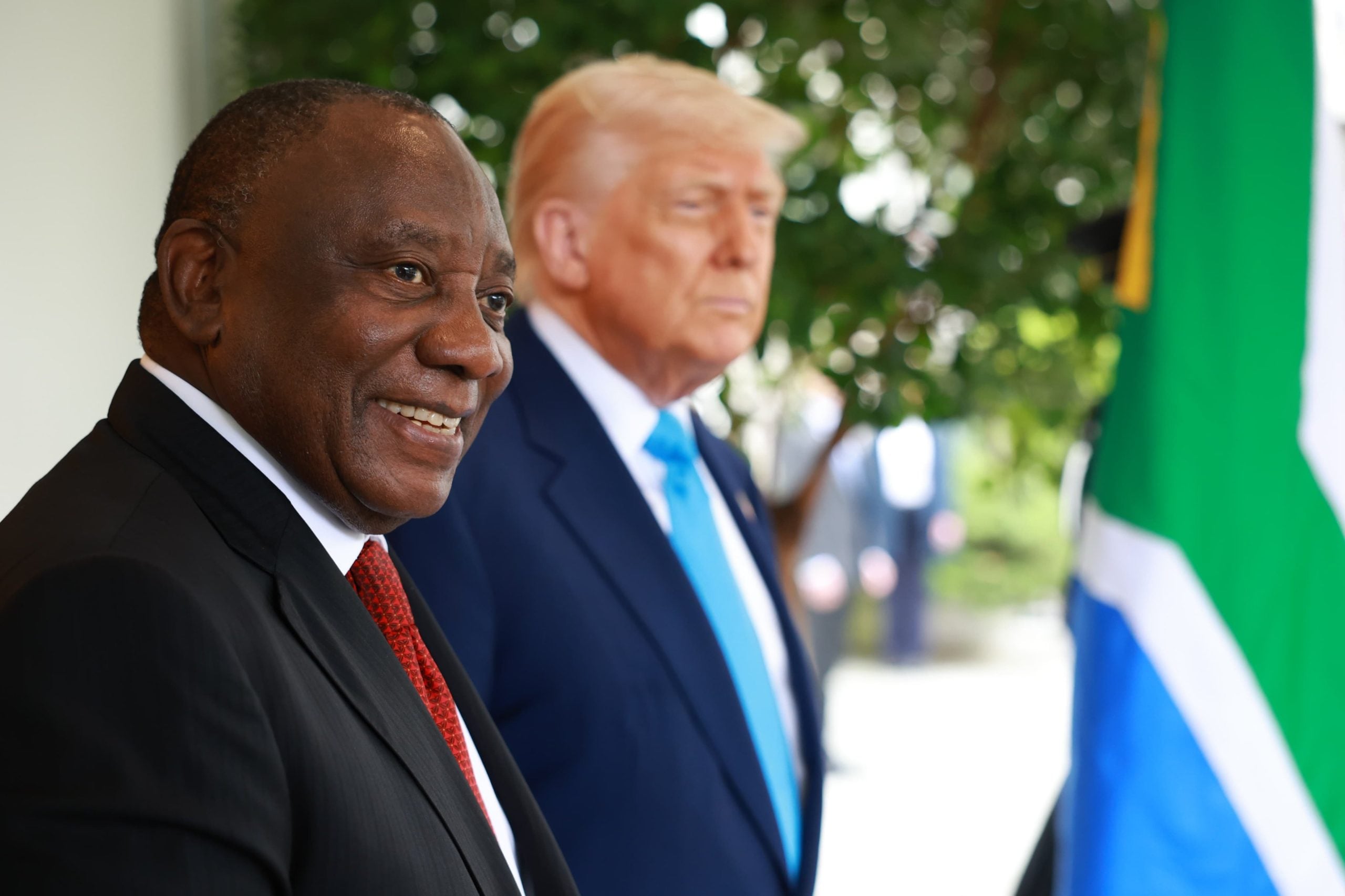
A State Department official confirmed Thursday, June 18, that the U.S. will start a phased drawdown of the President’s Emergency Plan for AIDS Relief in South Africa.
The decision results from what the administration calls South Africa’s failure to meet policy demands tied to an executive order issued by President Donald Trump in February 2025.
South Africa’s HIV response is heavily reliant on past U.S. support
South Africa has the world’s largest HIV epidemic, with about 7.8 million people living with the virus. PEPFAR has been a key partner for years, providing testing, treatment and prevention services.
In 2024, the country received around $456 million in such funding. That dropped sharply afterward amid major U.S. aid reviews.
The Trump administration’s February order accused South Africa of discriminating against white Afrikaners and directed agencies to halt aid unless policies changed.
South Africa rejects the claims
South African officials have rejected those claims and pointed to the country’s history of apartheid, which ended in the early 1990s, and argue that current affirmative action and land policies address past inequalities.
U.S. officials said they repeatedly warned South Africa that funding was at risk, but the African state failed to heed Trump’s call.
“The United States communicated to the South African government multiple times at many levels that PEPFAR funding would be terminated if they failed to address President Trump’s concerns,” the State Department official told reporters.
Funding reductions already underway
So far this year, South Africa has received only about $25 million for HIV efforts. A $115 million bridging plan helped cover treatment and prevention until the end of March.
The new phased drawdown aims to wind down programming, with some reports suggesting full termination by early 2027.
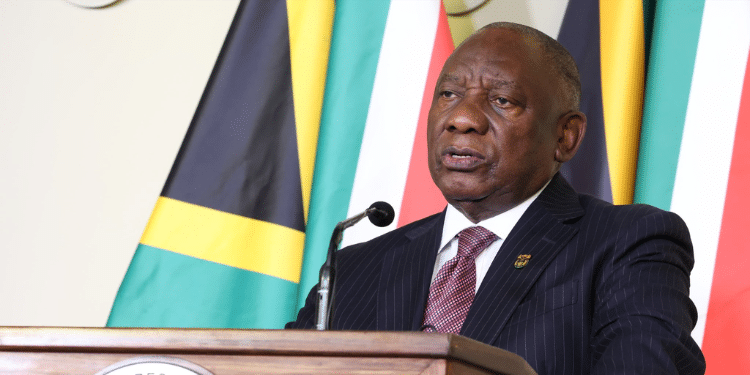
South Africa, being a middle-income country, should handle more of its own health costs, U.S. officials argue.
Until early 2025, U.S. funding made up about 18 percent of the national HIV budget. PEPFAR was never meant to last forever, they added, and success depends on countries taking ownership.
The country has already been excluded from a U.S. plan to provide 2 million doses of lenacapavir, a long-acting drug given just twice a year for HIV prevention.
Also Read: Trump Allows 10,000 White South Africans into the US in Secret Plan
South Africa began rolling out the medication this month using other sources, including the Global Fund.
Health specialists warn the funding loss could interrupt services for millions. Past cuts have already led to clinic closures, job losses for thousands of health workers, and reduced outreach.
South Africa now covers roughly 80 to 85 percent of its HIV response domestically, but gaps remain in prevention and support services.
The Trump administration has also granted refugee status to Afrikaners seeking to come to the United States. This adds to tensions between the two countries.
Officials in Pretoria say they are working to fill gaps. The government increased its own spending in response to earlier disruptions.
Partnerships with the Global Fund and other donors are expanding. Still, experts worry about long-term effects on new infections, especially among young people.
PEPFAR, launched in 2003 under President George W. Bush, has saved millions of lives worldwide. South Africa received billions over the years. The program helped build treatment programs that put more than 5 million people on antiretroviral drugs.
‘America First’ approach reshapes foreign aid priorities
The current shift shows the administration’s “America First” approach to foreign aid. It prioritizes U.S. interests and pushes countries to become self-reliant faster. In South Africa’s case, officials also cite concerns over land policies, rural crime and international stances.
This decision comes as global health groups track rising risks posed by funding shortfalls. Modeling from earlier disruptions predicted extra deaths and new infections if gaps are not filled quickly.
South Africa’s health system is stronger than that of many neighbors, but it remains stretched. The country continues to lead in HIV research and innovation, work that benefited from U.S. partnerships in the past.