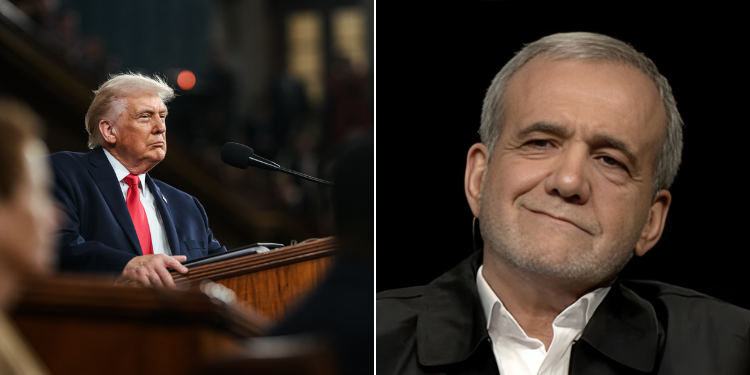
Iran has rejected US President Donald Trump’s proposal for a temporary ceasefire in the Middle East conflict, stating that it is seeking a comprehensive end to the war across the region.
Iranian Deputy Foreign Minister Saeed Khatibzadeh, while speaking to reporters on Friday, April 17, on the sidelines of the Antalya Diplomacy Forum, said Tehran is not open to a short-term halt in fighting and is instead pushing for a broader resolution across multiple conflict zones.
Khatibzadeh said Pakistan’s mediation efforts aim to achieve that goal.
Iran Rejects Temporary Ceasefire, Demands Region-Wide End to War
He stressed that any ceasefire must include all conflict zones “from Lebanon to the Red Sea”, describing it as a “red line” for Iran.
“We are not accepting any temporary ceasefire,” he said, adding that the ongoing cycle of violence “should end here once and for all.”
He also addressed concerns around the Strait of Hormuz, noting that it has historically remained open despite tensions. While acknowledging that the passage lies within Iran’s territorial waters, he emphasized its long-standing accessibility.
Khatibzadeh blamed the United States and Israel for escalating instability, arguing that their actions have disrupted global trade flows and strained the wider economic environment.
Also Read: Iran Peace Deal Nears as Trump Eyes Trip to Foreign Nation
He noted that Iran remains committed to keeping the Strait open but indicated that new arrangements could be introduced in light of the current situation, including considerations of security, safe passage, and environmental concerns.
He added that a lasting resolution to the conflict, along with what he described as a shift away from “maximalist positions” by the US, would ensure that the Strait of Hormuz remains a stable route for global commerce.
The two-week ceasefire brokered by Pakistan on April 8, which halted attacks in Iran and the Gulf, is due to expire on April 22.
Also Read: Trump Advised to Go After Energy Infrastructure on Kharg Island as His Blockade Cripples Iran
Israel-Lebanon Ceasefire Comes Into Effect
This comes after a 10-day ceasefire between Israel and Lebanon has come into effect, pausing fighting between Israel and Hezbollah.
The agreement was announced by United States President Donald Trump, who said he had spoken with Israeli Prime Minister Benjamin Netanyahu and Lebanese President Joseph Aoun, and invited both leaders “for meaningful talks” at the White House. Both leaders welcomed the agreement.
Celebrations broke out in parts of Lebanon following the announcement, as residents marked the temporary halt in hostilities.
However, both Israel and Hezbollah have maintained their right to defend themselves if the truce is violated.
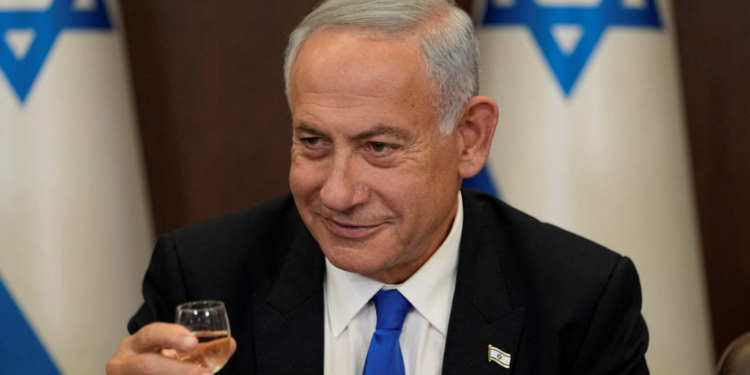
Netanyahu described the ceasefire as a “historic” opportunity for peace but said Israeli troops would not withdraw from southern Lebanon during the pause in fighting.
“We are remaining in Lebanon in an expanded security zone,” he said, citing the “danger of an invasion” and the need to prevent fire into Israel. “That is where we are, and we are not leaving.”