














































The government has confirmed plans to place Junior Secondary School (JSS) teachers on permanent and pensionable terms by 2026.
The move comes after months of uncertainty and industrial action by teachers demanding job security under the Competency-Based Curriculum (CBC).
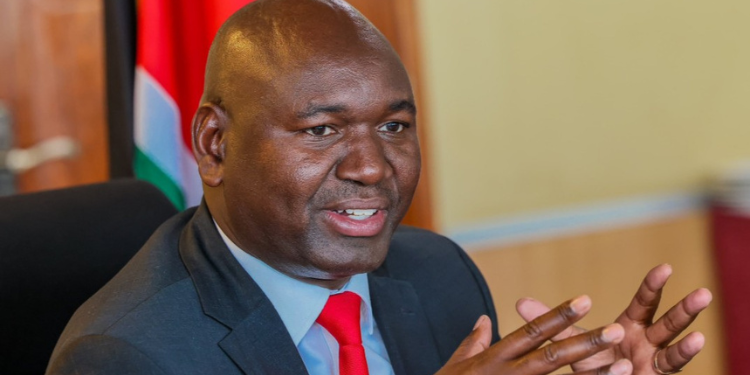
Principal Secretary for Basic Education Julius Bitok confirmed the move, stating that the ministry is seeking supplementary budget allocations to facilitate the transition.
“We are working to ensure that when teachers are promoted and converted to permanent and pensionable terms, they have something on their table.”
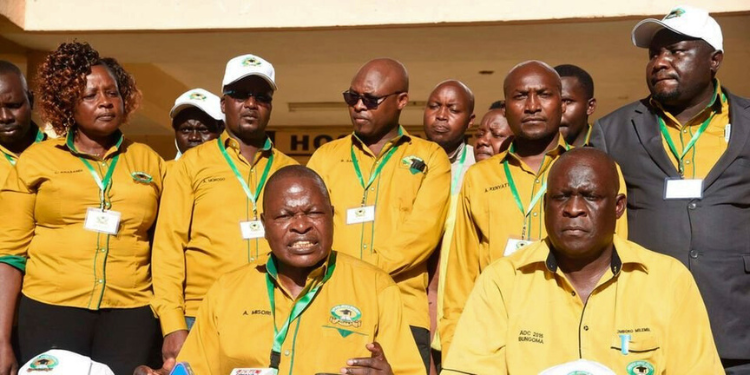
Baringo County KUPPET Secretary Zacharia Nayomboi further stated that classes will not resume in January without clear commitments on teacher confirmation.
Bitok stated that the president has set a 2026 deadline to ensure that all the teachers are employed on permanent and pensionable terms, and refuted claims that the government is neglecting its own public servants.
Government’s Employment Plan for JSS Teachers
The government’s plan centers on converting all JSS intern teachers to permanent and pensionable (PnP) terms after a mandatory internship period.
President William Ruto had earlier announced that JSS teachers will automatically be promoted to permanent employment after completing 2 years of service.
“Every intern teacher who completes two years of service will automatically transition to permanent and pensionable terms—no negotiation,” Ruto said during a State House briefing.
The Teachers Service Commission (TSC) will confirm 20,000 JSS intern teachers by January 2026, a process that has been reported to require Ksh5.4 billion.
Treasury Cabinet Secretary John Mbadi told Parliament that funds for this conversion have been factored into the 2025/2026 budget.
Additionally, the government plans to recruit 4,000 more teachers and hire 16,000 new JSS interns in 2026 to address shortages in Grades 7, 8, and 9.
The internship model was introduced to bridge teacher shortages during CBC rollout while avoiding unsustainable payroll expansion.
The government estimates that over 300,000 trained teachers remain unemployed, underscoring the need for structured absorption to ensure equity and efficiency.
Budgetary Allocation
Education remains the largest beneficiary of Kenya’s national budget, receiving Ksh702.7 billion in the 2025/2026 fiscal year.
Of this, TSC has been allocated Ksh377 billion, including Ksh7.2 billion for JSS intern stipends and recruitment.
Junior Secondary Schools will also receive Ksh 28.9 billion in capitation.
The Treasury has indicated that any shortfall will be addressed through supplementary allocations.
The internship model was introduced to bridge teacher shortages during CBC rollout while avoiding unsustainable payroll expansion.
Also Read: Uproar as UNEP Patron Lewis Pugh Plans to Swim in Mt Kenya Glacier Before UNEA-7 Address
The government estimates that over 300,000 trained teachers remain unemployed, hence the need for structured absorption to ensure equity and efficiency.
Why Unions Want Permanent and Pensionable Employment for Teachers
Permanent and pensionable terms guarantee job security, structured career progression, and access to statutory benefits under the Teachers Service Commission (TSC).
Teachers on PnP contracts earn significantly higher salaries than interns, up to Ksh34,955 in basic pay plus allowances, doubling or tripling net income from internship levels.
They receive comprehensive medical cover, paid annual, maternity, and sick leave, and eligibility for government loans.
Pension benefits under the Pensions Act ensure financial stability after retirement, with options for lump-sum and monthly payments.
Follow our WhatsApp Channel and X Account for real-time news updates.