
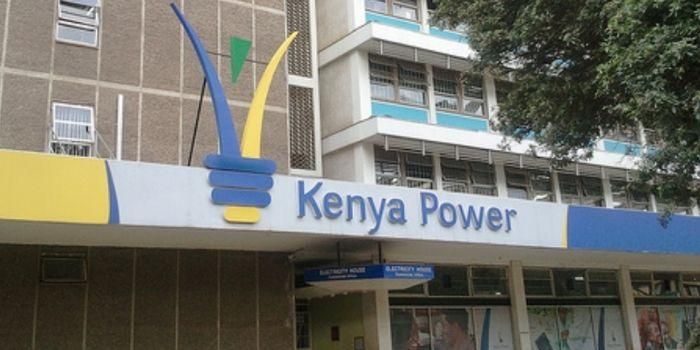
Kenya’s electricity sector faces its biggest shake-up in decades after the Energy and Petroleum Regulatory Authority (EPRA) gazetted new regulations that will open the market to competition and reduce Kenya Power’s long-held dominance.
The Energy (Electricity Market, Bulk Supply and Open Access) Regulations, 2026, introduce a new structure in which multiple players can generate, sell, and buy electricity, ending the single-buyer model that has placed Kenya Power at the center of the system.
For years, Kenya Power has controlled electricity distribution and retail supply, acting as the main buyer of power from producers and the sole seller to consumers.
The new rules change that model by creating a formal electricity market where generators, retailers, and large consumers can transact directly.
This marks a shift from a tightly controlled system to a competitive one, in which electricity is treated more like a tradable commodity.
Consumers to Gain Power of Choice
A key feature of the new regulations by EPRA is the introduction of consumer choice, allowing electricity users to select their preferred supplier.
This means customers will no longer be tied to a single provider, giving them the option to switch if they find better prices or services elsewhere.
Also Read: Risks Kenyan Motorists Now Face After Govt Waives Sulfur Fuel Standards
The rules require consumers who wish to change suppliers to notify their current provider in writing before exiting a contract.
While the change will start with large electricity users, it will open the way for broader competition in the future.
Another major change is the introduction of bulk supply arrangements.
Under EPRA’s system, large electricity users such as factories, malls, and industrial parks will be allowed to buy power directly from generators rather than through Kenya Power.
This effectively removes Kenya Power as a middleman in high-value electricity deals, potentially cutting costs for big consumers while reducing the utility’s revenue base.
However, only users with a substantial demand of at least one megavolt-ampere on distribution networks or ten megavolt-amperes on transmission lines will qualify.
The regulations also allow companies to sign contracts with multiple suppliers, increasing competition and preventing reliance on a single source of power.
EPRA Introduces Open Access
The most significant reform is the introduction of open access, which requires transmission and distribution networks to be made available to all qualified players on a non-discriminatory basis.
Also Read: Why Kenya Cannot Build a Commercial Oil Refinery
This means that even if electricity is generated by a private firm and sold to a customer in another region, it can still be transmitted using existing infrastructure owned by Kenya Power or other network operators.
The owners of the grid will be required to carry the electricity for a fee, without favoring their own supply business.
This development effectively separates infrastructure from supply, stripping Kenya Power of exclusive control over how electricity flows across the country.
The new framework also introduces structured electricity trading through bilateral agreements, spot markets, and forward contracts.
These mechanisms allow buyers and sellers to negotiate prices directly or trade power for immediate or future delivery, encouraging price competition and transparency.
Oversight of the system will be handled by a designated system operator, who will manage the grid, run an online trading platform, match demand and supply, and oversee settlement of transactions.
This separates operational control from commercial interests, a move aimed at ensuring fairness in the market.
The reforms also open the door to cross-border electricity trade, allowing Kenya to import and export power through regional arrangements such as the Eastern Africa Power Pool.
This adds another layer of competition, as local suppliers will have to compete with regional producers.