The government has issued an explanation on why Kenya cannot build a commercial oil refinery.
This comes after Kenya, Uganda, and Tanzania agreed to build a joint refinery in Tanga, Tanzania.
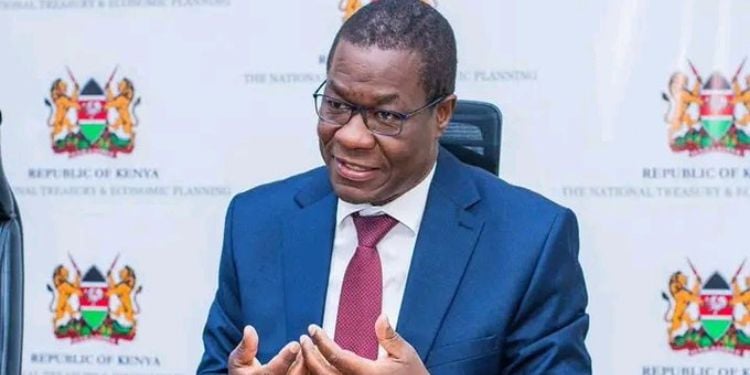
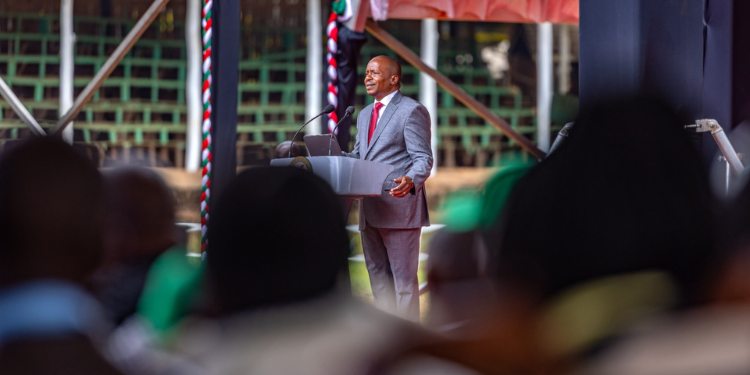
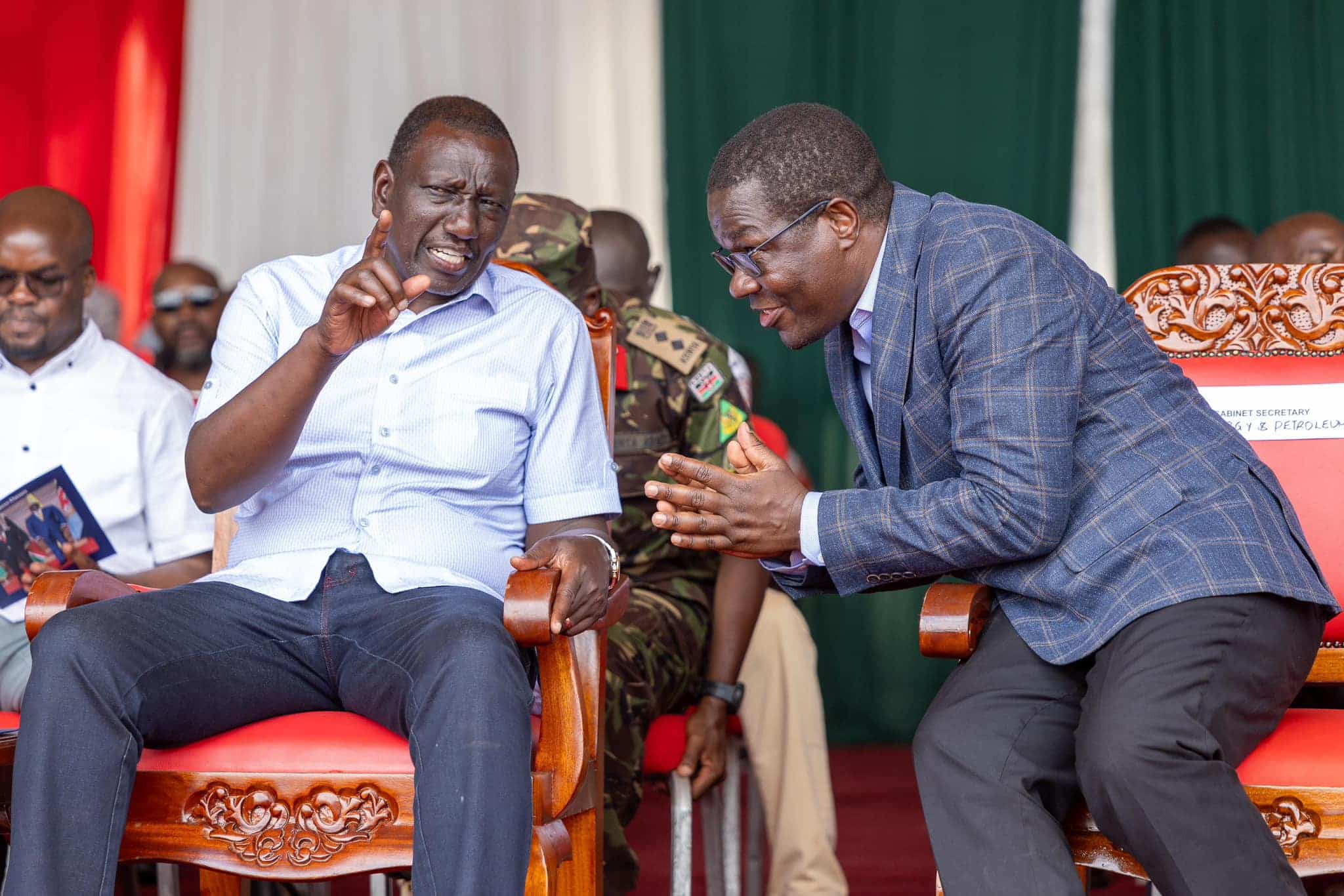
Energy and Transport Cabinet Secretary Opiyo Wandayi, while appearing before the Senate on Wednesday, May 6, stated that the government has completed key preparatory steps, including groundwork for production activities in South Lokichar, Turkana County, and expects output to begin before the end of 2026.
CS Wandayi Says Kenya Cannot Build Commercial Refinery Due to Low Oil Output
However, he noted that the quantities envisaged from South Lokichar are not sufficient to run a commercial refinery.
He said Kenya, through the ministry, will produce about 20,000 barrels per day, which is expected to increase to about 50,000 barrels per day at the initial stage.
According to Wandayi, petroleum economists indicate that 300,000 to 500,000 barrels per day are required to viably operate a refinery, a threshold that South Lokichar falls short of.
This gap, he said, supports the push for a regional refining solution, including a proposed joint East African oil refinery in Tanga, Tanzania.
“And therefore, that informs the reason, that informs the justification, that informs the basis for the plan to establish a refinery in Tanga that will serve not only Kenya, but also serve the other neighboring countries,” he said.
“That notwithstanding, the quantities envisaged to come out of South Lokichar are not adequate to run a commercial refinery. From the beginning, we shall be producing about 20,000 barrels per day, which will progress to some 50,000 barrels per day,” he added.
Also Read: Govt Explains Cause of Fuel Shortage as Motorists Queue in Petrol Stations
The CS also explained why the Kenya Petroleum Refineries Ltd plant in Changamwe, Mombasa County, was shut down.
The facility stopped crude oil refining in September 2013 and has since been repurposed as a storage and distribution depot for petroleum products under the management of the Kenya Pipeline Company (KPC).
He noted that the Changamwe plant was discontinued due to its economic unsustainability.
“Refinery business is a matter of commercial logic. For a business to undertake a refinery, it must make commercial sense. The refinery in Changamwe, due to the economics, was found not to make business sense. That is why, as a matter of fact, operations at the facility were discontinued,” Wandayi said.
Also Read: Ruto Reveals Talks with Dangote on Mega Oil Refinery Plan in Tanzania
Ruto Explains Tanga Refinery Plan
President William Ruto said the idea of a refinery in Tanga emerged from consultations with regional leaders on how East Africa can jointly develop its oil, mineral, and agricultural resources to drive industrial growth and job creation.
He said leaders, including Ugandan President Yoweri Museveni, had been part of broader discussions, with Kenya, Uganda, and other regional partners expressing interest in participating in the project.
“The building of a refinery is a big opportunity for business, industrialization, petrochemical industries, fertilizer industries, plastics, and when I had a conversation with President Museveni, our discussion was about how to industrialize our region using our resources,” Ruto said.
“We have been advised by the private sector that the longer we continue to export raw materials, jobs, opportunities, and wealth, and in exchange importing inflation, which is not what we should be doing.”
Ruto added that Tanga’s proximity to Mombasa, about 190 kilometres away, presents logistical advantages that could support the integration of fuel infrastructure and the efficient distribution of refined products across the region.
The development comes weeks after Nigerian billionaire industrialist Aliko Dangote proposed the construction of a major oil refinery in East Africa during the Africa We Build Summit in Nairobi.
Dangote said the project could mirror his 650,000-barrels-per-day refinery in Nigeria and be completed within five years if regional governments support it.