

An American-led consortium has won the tender for the strategic Mrima Hill rare earths and niobium project in Kwale County, while a Chinese joint venture secured two other mineral projects as the government concluded a competitive bidding process for key deposits.
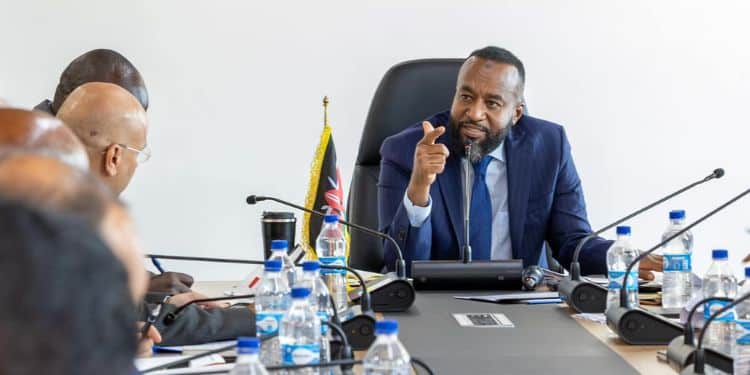
Mining, Blue Economy and Maritime Affairs Cabinet Secretary Hassan Ali Joho announced the outcome of the tender process on November 19, saying the successful bidders emerged after a rigorous evaluation of their legal compliance, technical capability and financial strength.
The American-led Frontier Minerals Consortium was selected for the Mrima Hill Niobium, Rare Earth Elements and Other Minerals Project in Kwale County.
The consortium comprises Frontier Minerals LLC, Bunker Hill Mining Corp, ReElement Technologies and American Resources Corporation.
Meanwhile, a joint venture between Fangda Special Steel Technology Co. Ltd and Sinohydro Corporation emerged as the successful bidder for the Kang’ura Chromite Development Project in Samburu County and the Kamacabi Copper Development Project in Tharaka Nithi County.
The awards conclude a competitive tender process the government launched to commercialise strategic mineral deposits considered critical to Kenya’s mining sector.
Joho said the process was conducted under the Mining Act, the Mining (Award of Mineral Rights by Tender) Regulations, 2017, and the Public Procurement and Asset Disposal Act, 2015.
Transparent Selection Process
According to the ministry, the process began with an open Request for Expression of Interest published in March 2026 through the Kenya Gazette, The East African, MyGov Publication and the State Department for Mining website.
Also Read: Ruto Lists Major Roads and Highways Set for Construction and Dualling Across Kenya
Shortlisted firms were subsequently issued detailed Requests for Proposals in July 2026 and were required to attend a mandatory pre-bid conference in August.
Written clarifications were later provided to ensure all prospective investors competed on equal terms.
Following the opening of bids on October 21, 2026, the submissions underwent a three-stage evaluation process.
The preliminary and mandatory evaluation verified the legal standing of bidders, tax compliance and adherence to ethical and anti-corruption requirements.
The technical evaluation assessed geological and exploration expertise, mineral processing and beneficiation plans, local content commitments, employment opportunities for Kenyans, environmental restoration measures, biodiversity management plans and cultural heritage protection strategies.
Bidders had to score at least 80 per cent to proceed.
The final stage examined audited financial capacity, funded exploration capital investment plans and proposed financial commitments to the State.
However, not all projects attracted successful bids.
Joho said the Lali Hills Manganese Project in Tana River County and the Kiritiri Coltan Project in Embu County failed to produce responsive, qualifying bids and would be addressed separately under the law.
Joho on Community Consent
Despite the tender awards, Joho emphasised that the successful bidders have not yet received prospecting licences and cannot begin operations immediately.
Also Read: Why Kenyans Still Pay More for Diesel at the Pump Despite Falling Global Prices
He said winning firms must first engage host communities, landowners, county governments and other stakeholders and secure all mandatory consents required under Kenyan law.
“No prospecting operation can proceed without the social licence and formal consents of the people on the ground,” Joho said.
The successful bidders must then formally apply for prospecting licences through the Ministry’s Online Mining Cadastre portal, submit all required documentation and pay prescribed fees.
Applications will subsequently be subjected to scrutiny by the Mineral Rights Board, which will make recommendations before any prospecting licence is granted.
Joho said licences will only be issued after full compliance with all statutory requirements.
The Cabinet Secretary said the government remains committed to ensuring Kenya’s mineral wealth is developed sustainably, transparently and equitably through environmental protection, local value addition and the sharing of benefits with host communities.
He also called on residents and leaders in Kwale, Samburu and Tharaka-Nithi counties to participate actively in the upcoming public engagement processes as the projects move to the next stage of regulatory approvals.
Follow our WhatsApp Channel and X Account for real-time news updates and our YouTube Channel for in-depth interviews.