Kenya has been listed among 18 countries most vulnerable to fertilizer supply disruptions stemming from the ongoing crisis in the Gulf region, according to a new report by the World Trade Organization (WTO).
The report warns that countries heavily dependent on imported fertilizer and supplies from Gulf producers face heightened risks of shortages and price increases following disruptions to trade through the Strait of Hormuz, one of the world’s most important shipping routes.
Kenya was grouped with several African countries, including Uganda, Tanzania, Rwanda, Malawi, Mozambique, Zimbabwe, and South Africa, as particularly exposed to fertilizer supply shocks due to a combination of import dependence and reliance on suppliers in the Gulf region.
The WTO said fertilizer trade has been among the hardest hit sectors by the conflict in the Persian Gulf, with shipments through the Strait of Hormuz grinding to a near halt after the crisis broke out earlier this year.
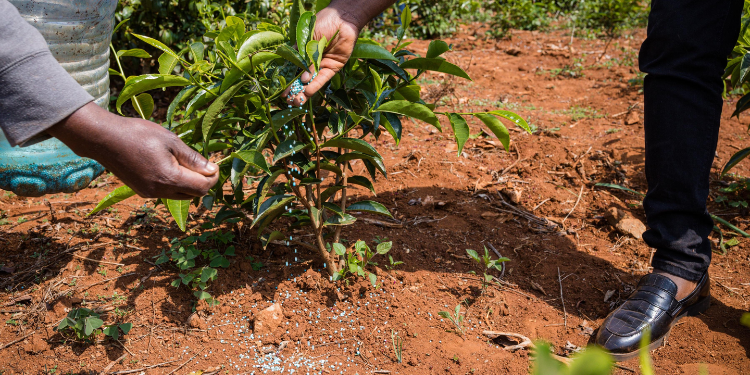
The organization noted that fertilizer is a critical input in agricultural production and any prolonged disruption could have significant consequences for food production, farm incomes and consumer prices.
Fertilizer Supply Concerns
According to the WTO, Gulf countries account for nearly a quarter of global nitrogen fertilizer exports and more than 11 percent of phosphatic fertilizer exports, making the region one of the world’s key suppliers.
The report states that outbound fertilizer shipments through the Strait of Hormuz fell sharply after the outbreak of the conflict and have remained significantly below normal levels.
Also Read: ICEA Lion Appoints Four New Directors in Leadership Shake-up
The disruption has already rattled global markets.
Urea prices more than doubled immediately after the conflict before easing in subsequent months, while diammonium phosphate (DAP) prices also rose considerably.
Although fertilizer prices have since retreated from their peak levels, the WTO cautioned that future stability will largely depend on the continued reopening of trade routes and the restoration of normal shipping activities in the Gulf.
For Kenya, the warning comes at a time when the government is relying heavily on subsidized fertilizer to boost agricultural productivity and support food production.
The subsidy program has helped lower fertilizer costs for farmers and has been credited with contributing to higher crop output in recent seasons.
However, any sustained increase in global fertilizer prices could raise the cost of imports and place additional pressure on government efforts to maintain affordable supplies for farmers.
Food Security Risk and Impact on Ruto’s Administration
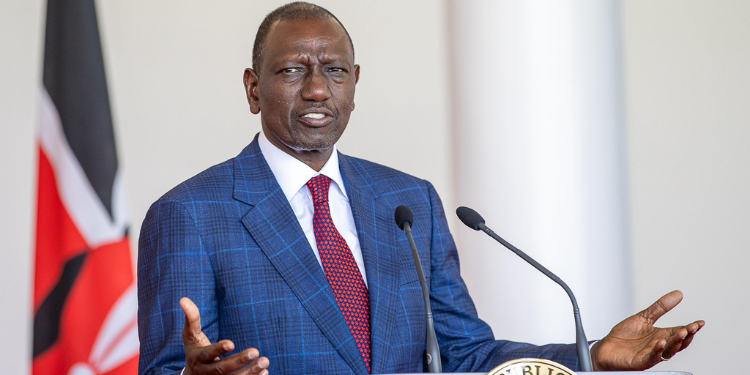
The WTO warning comes at a time when President William Ruto’s administration is banking heavily on affordable fertilizer to drive agricultural growth and improve food security.
Also Read: Sakaja Rolls Out New Pricing, Tariffs Affecting Every Business and Nairobi Resident
Since 2022, the government has expanded the fertilizer subsidy program, reducing the price of a 50-kilogram bag to KSh2,500 and distributing millions of bags to farmers across the country.
The government has credited the program with helping increase farm production and lowering the cost of key agricultural inputs.
For the current season, authorities have planned to distribute 12.5 million bags of subsidized fertilizer, with stocks held at depots and last-mile distribution centers nationwide.
Should the disruption persist and global fertilizer prices rise, the government could face higher import costs for its subsidy program.
This could increase pressure on public spending or make it more difficult to maintain current subsidy levels.
Higher fertilizer costs could also affect farmers, potentially undermining efforts to raise agricultural productivity and sustain gains in food production.
The WTO further noted that some countries have introduced export restrictions and licensing requirements since the Gulf conflict began, tightening already stressed global fertilizer markets.
Follow our WhatsApp Channel and X Account for real-time news updates.