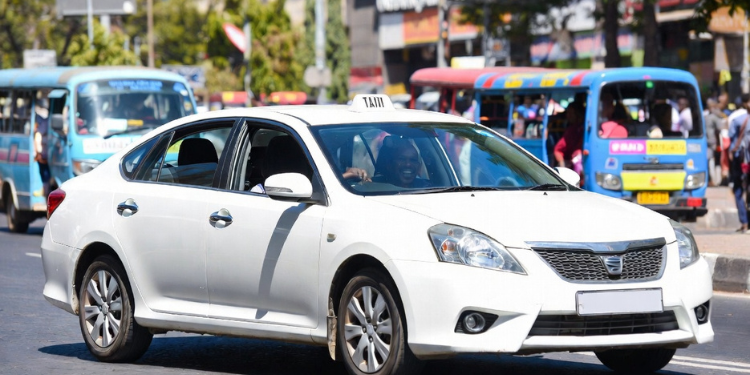
The government has directed ride-hailing companies to submit proposals on minimum compensation for drivers as it moves closer to introducing new regulations that could significantly increase the cost of rides on Uber, Bolt, Little Cabs, and other ride-hailing platforms in Kenya.
In a letter dated July 6, Principal Secretary for Transport Mohamed Daghar asked digital taxi operators to propose a fair minimum pay for drivers.
The submissions, according to the directive, will help shape the proposed National Transport and Safety Authority (Transport Network Company, Owners, Drivers and Passengers) (Amendment) Regulations, which are currently undergoing public participation.
Government Pushes Ahead With Minimum Fare Plan
Under the proposed rules, ride-hailing companies would be required to compensate drivers using a government-approved minimum fare.
Industry consultations have discussed a minimum fare between KSh400 and KSh500, compared to the current base fare of about KSh220 on some platforms, although the government has not announced a final figure.
Also Read: Plan to Raise Cab Fares to KSh500 Risks Driving Passengers Back to Matatus
The ministry has invited stakeholders and members of the public to submit comments on the draft regulations by July 30, after which it will review the feedback and decide whether to gazette and implement the new rules.
Why Drivers Want Fares Revised
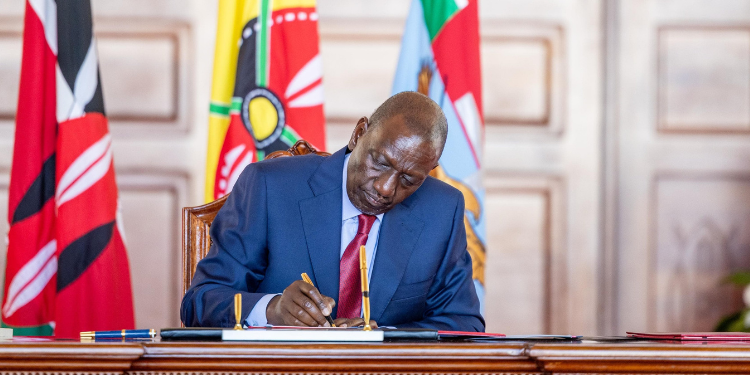
The latest move stems from a directive issued by President William Ruto on May 22 following concerns raised by the Uber Drivers Association and other ride-hailing drivers over declining earnings.
Speaking during a meeting with stakeholders, President Ruto instructed the Ministry of Roads and Transport and the National Transport and Safety Authority (NTSA) to fast-track regulations governing digital taxi platforms, including the introduction of a minimum taxi fare.
“We need urgent regulations that have already been developed,” the President said.
“I have instructed the ministry to work with stakeholders to make sure those regulations are implemented so that we can streamline the whole digital taxi platform.”
Drivers argue that current fares no longer reflect the rising cost of operating vehicles. They cite increasing fuel prices, insurance premiums, vehicle maintenance costs, loan repayments, parking charges and traffic congestion as factors that have reduced their take-home earnings.
According to an Ipsos report released in March 2026, Kenya’s gig economy supports approximately 1.5 million workers and generates more than KSh130 billion annually.
Ride-hailing accounts for roughly one-fifth of the sector, with 53 percent of drivers relying on platform work as their primary source of income.
The report found that the average ride-hailing driver earns about KSh63,000 per month before expenses, while the top 20 per cent earn around KSh184,000.
Motorcycle ride-hailing operators earn an average of KSh 56,000 per month. However, after deducting fuel, insurance, maintenance, financing, data and platform-related costs, drivers’ net earnings are considerably lower.
Also Read: Bolt Clarifies Pricing Adjustments After EV Boda Riders Demonstrations
Experts Warn Higher Fares Could Hurt Demand
While experts agree that drivers deserve better earnings, they caution that sharply increasing fares could have unintended consequences.
Digital economy entrepreneur Moses Kemibaro says increasing the minimum fare from around KSh220 to KSh500 would amount to an increase of about 127 per cent, potentially pushing passengers towards matatus, boda bodas, tuk-tuks, carpooling or other cheaper transport alternatives.
He argues that the ride-hailing business depends on balancing the interests of drivers, passengers and platform operators.
If the government proceeds with the plan to hike taxi charges, passenger demand could decline, leading drivers to complete fewer trips despite earning more per ride.
Technology entrepreneur Mbugua Njihia expressed similar concerns, describing ride-hailing as one of Kenya’s most important sources of digital employment and a critical economic safety net for thousands of households.
Both experts point to Tanzania’s experience with fare controls introduced in 2022, saying Kenya should carefully assess the economic impact before implementing a mandatory fare floor.
They instead recommend complementary measures such as enforcing commission caps, improving transparency in driver earnings, lowering vehicle financing and insurance costs, and introducing fuel support programmes.
Follow our WhatsApp Channel and X Account for real-time news updates.