


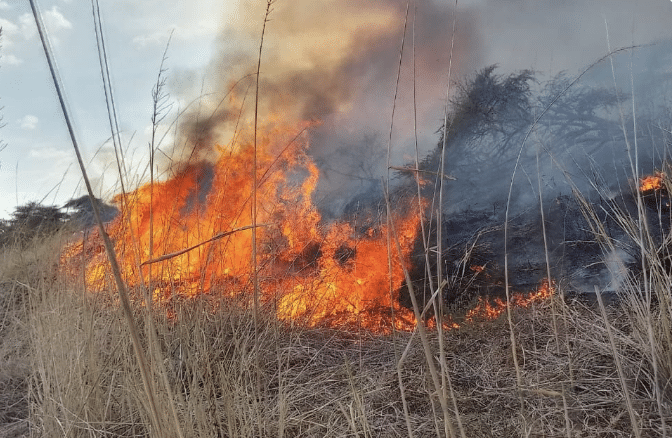
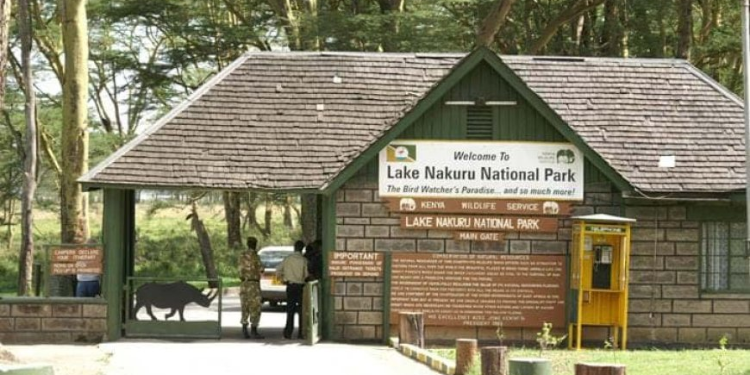
The Kenya Wildlife Service (KWS) has warned the public against lighting fires during the dry season, following a fire incident on February 6 at the Lake Nakuru National Park.
In a statement shared on Saturday, February 7, KWS said the fire originated in the Lake View Estate and spread into the park.
KWS added that the fire started at around 4:00 p.m. and was driven into the park by strong winds and dry vegetation, which are common during the dry season. The flames threatened parts of the protected area before emergency teams moved in to control the situation.
According to KWS, the fire spread quickly due to dry vegetation and windy conditions, a common challenge during the dry season. However, a rapid and coordinated response by multiple teams helped prevent what could have become a major disaster.
Quick Action Helped Contain the Fire
KWS officers worked closely with members of the local community, the Nakuru City Fire Team, and Bondeni Police to control the blaze. Their combined efforts paid off, and the fire was successfully contained by 10:00 p.m., just six hours after it started.
Authorities confirmed that no injuries or fatalities were recorded among people or wildlife.
In a statement, KWS expressed appreciation for the swift response and cooperation shown by all involved. The agency also used the opportunity to issue a strong warning to the public against starting fires during the dry season.
Also Read: Huge Fire as Gas Depot Explodes in Donholm Estate
“We are pleased to report that no injuries or fatalities were recorded, and we thank all partners and community members for their prompt support and cooperation in protecting the park,” read the statement.
Growing Concern Over Fires Near Protected Areas
This incident is not isolated. In recent years, Kenya has seen an increasing number of fires in and around protected areas, especially during the dry months.
Fires often start from nearby settlements due to activities such as burning litter, clearing land, or careless disposal of cigarette butts. Once flames reach dry grass or forested areas, they spread uncontrollably.
Wildfires have previously affected several conservation areas across the country, destroying vegetation and forcing animals to flee their natural habitats.
Such incidents not only damage the environment but also increase human–wildlife conflict, as displaced animals may move closer to homes and farms in search of food and shelter.
“The public is cautioned against lighting fires during the dry season, as strong winds and dry vegetation can cause fires to spread rapidly, posing serious risks to human life, wildlife, property, and the environment,” said KWS.
Also Read: Third Man Dies After Gun Drama Involving Kenya Police Officers and KWS
Why Lake Nakuru National Park Is Important
The Lake Nakuru National Park is located just outside Nakuru City. The park is globally known for Lake Nakuru, a shallow alkaline water body that has historically attracted thousands of flamingos, creating a breathtaking pink shoreline.
Beyond flamingos, the park is home to rhinos, lions, leopards, buffalo, giraffes, and numerous bird species. It is also a critical rhino sanctuary, playing an important role in protecting both black and white rhinos, which are endangered species.
The park’s varied landscape includes grasslands, woodlands, rocky cliffs, and hills such as Honeymoon Hill, which was affected by the recent fire. These habitats support diverse wildlife and make the park a popular destination for tourists, researchers, and local visitors.
Any fire within the park threatens not only wildlife but also tourism, which supports local livelihoods and contributes to the national economy.
KWS has urged the public to work together to safeguard Kenya’s natural heritage.
Follow our WhatsApp Channel and X Account for real-time news updates.


![Tsc Jss Teacher Qualifications 2026: Kcse Grades, Degrees And Subjects Required [Full List]](https://cdn.thekenyatimes.com/2026/07/Stakeholders-TSC-X-2026-06-09-36.png "Tsc Addresses Circular On Deployment Of Degree And Diploma Teachers To Junior School")