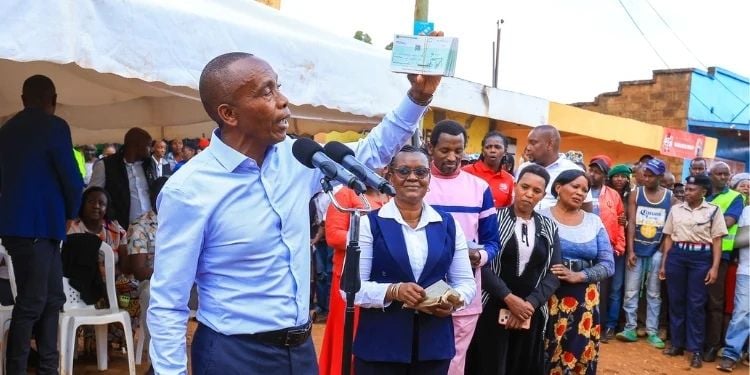

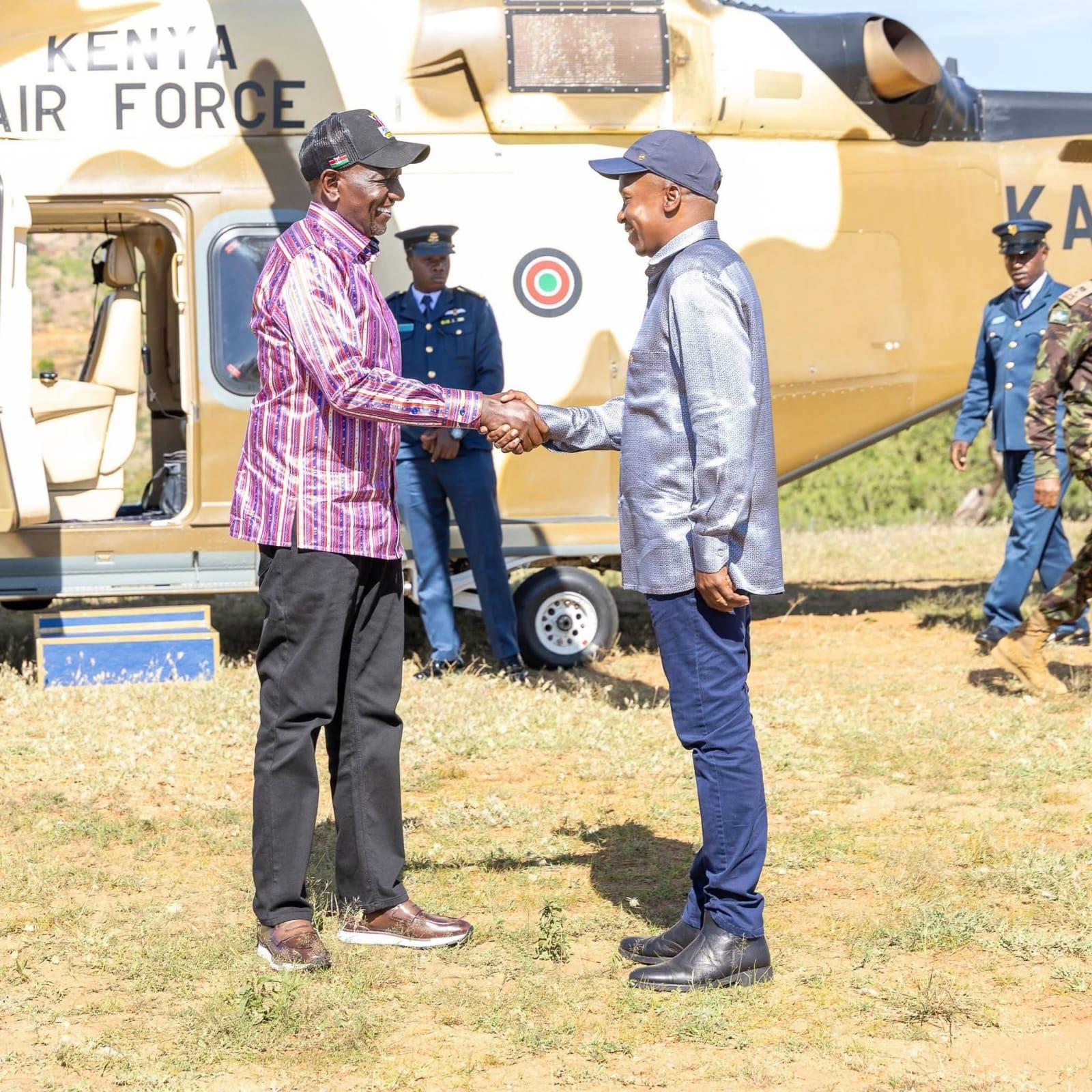
Residents of Mutara, a little-known trading centre about 25 kilometres from Rumuruti, the headquarters of Laikipia County, were left disappointed after learning that President William Ruto and his deputy, Kithure Kindiki, would not stop in the town during their development tour of the region.
“We just wanted to say thank you,” said Francis Ruengo Mathenge, a resident of Mutara township. “Hakuna kitu ingine tulitaka ni hiyo tu,” he added in Swahili, meaning: “There is nothing else we wanted, just to say thank you.”
For many residents, it was a missed opportunity to personally thank the President for what they described as a historic development project that had been promised during nearly every election cycle since the post-independence era.
“Naona kama maisha yetu itabadilika,” Ruengo said, “I feel like our lives are finally going to change because we have lived on a tarmacked Rumuruti – Nanyuki road promise for far too long. I have lived here in Mutara, sometimes called Checkpoint, for over 21 years. Throughout all this time, we kept being promised this tarmac road, dating back to the Moi era.”
“We were given that promise over and over again until we started asking ourselves, are we even part of Kenya? We felt like people who had been forgotten. We would hear that there is tarmac on the Kinamba side, and tarmac on the other Laikipia side, and we kept asking ourselves, what kind of Kenya are we living in?”
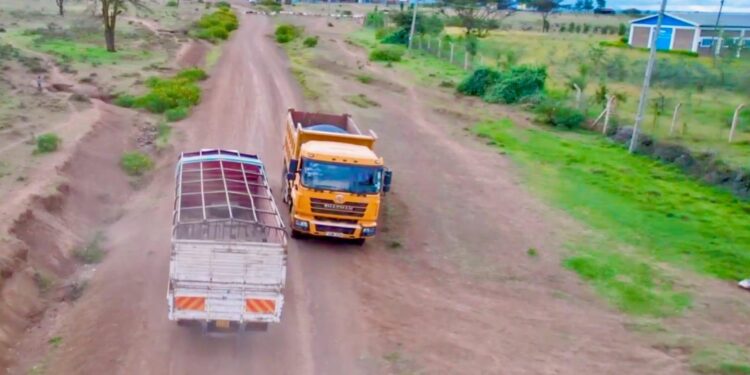
For decades, residents who depend on the Rumuruti-Mutara-Nanyuki road watched economic opportunities slip away because of poor road connectivity, which limited access to markets and essential services. The awarding of a 2.47 billion shilling contract to WAK Contractors at the end of April 2026 has now brought renewed hope to the area.
“The Rumuruti-Nanyuki road is the only road we have,” said 29-year-old Patrick Emuron. “Our lives have only ever known this one road, and because of its condition, many people avoid passing through here. The road is so poor that even investors do not come near our town because of its state.”
“I was born and raised in this area, so we have grown up hearing promises that this road would be tarmacked, from the time we were little children. That was back in August 2002, so if you do the maths, it has been many years, and to this day we have never even seen a tarmac road in this area.”
According to Eng. Luka Kimeli, the Director General of the Kenya National Highways Authority (KeNHA), quality road infrastructure remains central to economic growth and social transformation. He noted that Roads connect people to markets, schools, healthcare facilities, and investment opportunities, while also opening up regions for trade and development,” Mr. Kimeli said. “Without reliable connectivity, communities and businesses continue to face unnecessary challenges in movement, access to services, and economic participation.”
“The RumurutiMutara Road project is therefore a timely and transformative investment for the people of Laikipia County and the wider region,” he emphasised. “Following the award of the contract by KeNHA at the end of April, the contractor has already commenced mobilisation activities, including site preparations, logistical arrangements, and deployment planning. We expect actual construction works to begin within the next three months.”
For some residents, the road symbolises more than infrastructure. It represents recognition after years of feeling excluded from national development.
“I can see that the President is taking development everywhere without discrimination,” said Mary Epuyo. “To me, development without favouritism means it belongs to everyone. No one is being left behind. He is also taking roads to other counties that were left out in past administrations. I have seen tarmac roads being built in many forgotten areas, and not just in his home county.”
Mr. Emuron echoed the sentiment. “Development without favouritism means that everyone deserves progress,” he said. “Every person in this country has the right to receive development, regardless of whether they are aligned to any political party, because it is a constitutional right for every Kenyan to benefit from development wherever they are, regardless of their tribe or where they come from.”
“Even a person here in Mutara deserves a tarmac road just as much as someone in Nairobi, who is often the first to benefit from development where they live.”
“To the people of this county, it is not favouritism, it is development,” said Benjamin Karigithi, Principal of Mutara Primary and Junior School. “The government has kept its word by coming to the ground to ensure that the work will be done.”
The project is scheduled for completion within 36 months from the time of commencement and is expected to improve connectivity, reduce travel time, enhance road safety, and stimulate trade and economic activity along the corridor.
Beyond easing transport, residents hope the road will create employment opportunities during construction, improve access to essential services, support agricultural productivity, and strengthen regional integration and mobility.