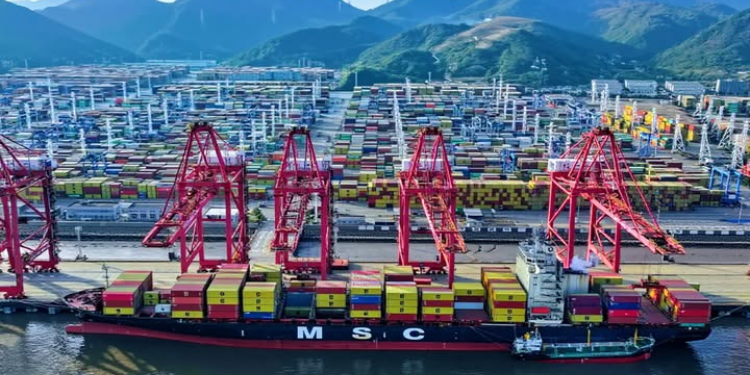
One Petroleum now says that the controversial fuel consignment was procured through a Ministry of Energy emergency tender in March 2026, with specifications disclosed upfront and a waiver formally granted.
The company, in a statement on Friday, April 24, said it did not seek the contract, but instead responded to a written request from the government.
It added that all key aspects, including quantity, price, and quality, were communicated to and approved in writing by the Ministry of Energy, with format waivers in place.
One Petroleum Says Fuel Was Procured Through Govt Emergency Tender
One Petroleum revealed that on March 18, 2026, the Ministry of Energy convened an industry meeting on petroleum stock positions.
During the meeting, it was highlighted that there was a need to shore up operational stock reserves.
The company noted that on March 19, the Ministry wrote to suppliers requesting bids for an emergency cargo of between 35,000 and 85,000 metric tonnes of petroleum.
“When responding with our offer, we disclosed to the Ministry the specs of the product. A waiver was subsequently applied for and granted, as confirmed by the Ministry of Trade,” One Petroleum said.
“It is worth noting that the product met petroleum standards applicable across many Southern African markets and Kenya’s own standards from 2019 to mid 2025.”
Also Read: Little-Known Details of One Petroleum and Oryx Energies Companies
According to One Petroleum, demand for petroleum was very high globally due to the ongoing conflict in the Middle East, and shipments were available only through spot purchases at higher premiums.
The company said it had identified a shipment owned by British Petroleum that was en route to Angola.
It added that, due to the vessel’s proximity to the Kenyan coast at the time of inquiry, it had been informed that the shipment could be delivered within three days.
Also Read: EPRA Explains Why Private Companies Were Chosen for G-to-G Fuel Deal
As per the statement, 20% of the 60,000MT consignment had been paid for and lifted by April 7, before the policy changes, while the remaining 80% was not delivered into the local market, with invoices withdrawn and transactions reversed for the undelivered volumes.
“By 7 April, 20% of the consignment was paid for and collected by OMCs allotted by the Ministry before the new policy directive. Although we had by this stage incurred significant financial costs and had no legal obligation to comply, we chose to support the Government’s revised position and immediately began withdrawing invoices for product destined for the local market,” it said.
Fuel Scandal
The 60,000 metric tonnes consignment of Super Petrol was imported into the country in contravention of the procedures set out in the G-to-G contractual framework with international suppliers.
The vessels were reportedly allowed into the market after a separate consignment of 114.7 million liters of super petrol sourced from Emirates National Oil Company (Enoc) failed to leave the Port of Jebel Ali in Dubai due to the closure of the Strait of Hormuz.
This consignment was priced at Ksh 198,000/MT , compared to Ksh 140,000/MT under the G-to-G arrangement.
It reflects an increase of Ksh 58,000 per metric tonne, which would result in an approximate rise of Ksh 14 per liter in pump prices on this consignment alone.