
The Energy and Petroleum Regulatory Authority (EPRA) has explained why key State-owned oil institutions, such as the National Oil Corporation of Kenya (NOCK) and the Kenya Pipeline Company (KPC), were excluded from the Government-to-Government (G-to-G) fuel import arrangement.
Speaking in an interview on Citizen TV, EPRA Director of Petroleum and Gas Edward Kinyua said the two were sidelined due to conditions set by international oil suppliers.
Kinyua said the government had initially proposed NOCK as the local counterpart in the fuel deal arrangement. However, he noted that Gulf oil companies declined to work directly with NOCK and instead insisted on dealing with companies with which they already had established commercial relationships.
EPRA Explains Why NOCK, KPC Were Excluded from G-to-G Fuel Deal
According to Kinyua, the oil suppliers cited concerns about the risks of exporting cargo worth millions of dollars.
“The International Oil suppliers said they have never dealt with the National Oil Company of Kenya on a transaction of this magnitude. In fact, they said we could not choose a counterpart for them if they were sending a ship worth hundreds of millions of dollars into Kenyan waters without knowing who they were dealing with, or what would happen if anything went wrong with the cargo,” Kinyua explained.
Also Read: EPRA Lowers Petrol and Diesel Prices After VAT Cut to 8%
The EPRA Director of Petroleum and Gas noted that the oil suppliers nominated Oryx Energies, Galana Energies Limited, and Gulf Energy Limited. Additionally, One Petroleum Limited, Asharami Synergy, and Be Energy were nominated for the G-to-G oil deal.
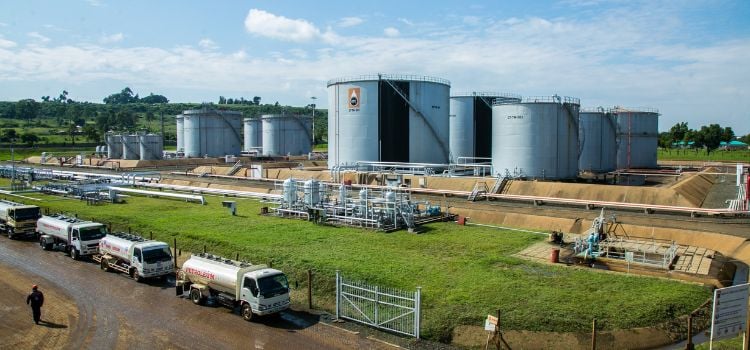
Kinyua also said KPC was not involved in the arrangement because its mandate is strictly limited to the transportation and storage of petroleum products.
“Kenya Pipeline Company is not a trader; its work is transporting petroleum. If you look at its license, it reads transport and storage of petroleum products; they have never traded,” Kinyua said.
Also Read: Matatu Owners Delay Fare Cuts Despite Fuel Price Drop
Why G-to-G Arrangement
At the same time, the EPRA Director explained that the G-to-G deal was introduced to address the demand for dollars and stabilize the shilling.
Before the intervention, Kinyua noted that the industry operated under a fragmented system that struggled during the global foreign exchange crisis.
He explained that dollars were increasingly mopped up from the local market, and oil marketers faced a severe crisis in accessing the capital needed to secure supply.
“This system allowed for a more structured procurement process, where we nominated and vetted world-class companies to trade oil under more favorable terms. This shift was not just about supply; it was about stabilizing the demand for dollars and protecting the shilling,” Kinyua stated.
According to the director, more than 145 oil marketers previously relied on accessing dollars within 5 days of cargo arrival to settle payments, a requirement that placed significant strain on foreign exchange availability.
He added that the amount of money the private sector spends on oil payments per month is in the tune of $500 million, and that the liquidity shortage had reached critical levels at the time.
The explanation comes after leaders harshly criticized the petroleum importation agreement (G-to-G), citing high fuel prices in Kenya compared to neighboring countries.
Meanwhile, President William Ruto has defended the government’s G-to-G fuel deal, saying it has made Kenya a competitive destination for fuel.
He added that the government adopted the G-to-G arrangement to help stabilize the country at a time when many others were going through very difficult circumstances.