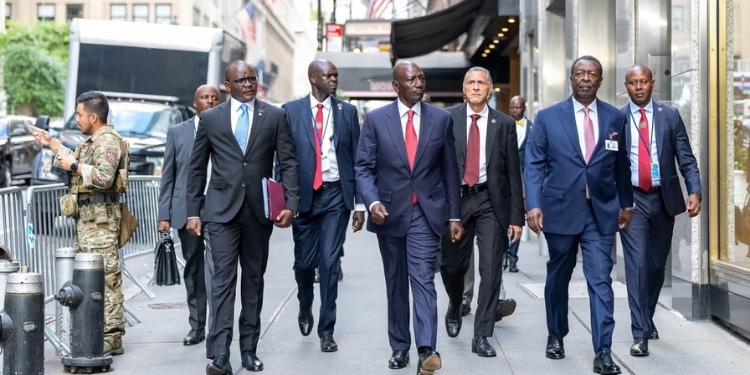
President William Ruto’s engagements on the sidelines of the United Nations General Assembly (UNGA) have begun producing a series of investment, trade, technology and security partnerships that could unlock jobs, expand markets and strengthen Kenya’s position as a regional hub.
The initiatives span sectors including artificial intelligence, energy, manufacturing, trade, diaspora investment and security cooperation, as Kenya pushes to attract foreign capital and position itself as a gateway for business in Africa.
Among the key announcements is the launch of the Kenya Diaspora Impact Platform, an initiative aimed at connecting Kenyans living abroad with credible investment and development opportunities back home.
The government hopes the platform will channel more diaspora savings into productive sectors of the economy while boosting entrepreneurship and job creation.
Focus on Technology and Investment
Kenya also advanced talks with Finland on an artificial intelligence partnership that seeks to attract investment into AI infrastructure, develop digital skills and create opportunities for young people.
In a separate move, Kenya joined France, Spain and Australia in supporting efforts to develop a global roadmap to protect children in the age of artificial intelligence.
Also Read: Why Prices of Cooking Gas in Kenya Are Set to Hike
The technology agenda was further strengthened through discussions between Kenya and the United States.
The two countries agreed to deepen cooperation in artificial intelligence, critical minerals and nuclear energy, areas that Kenyan officials believe could attract investment, transfer technology and create high-value jobs.
Another major development came in the humanitarian sector, where plans are underway for the International Committee of the Red Cross (ICRC) to establish a global operations center in Kenya.
The facility would bring international operations and expertise to Nairobi, reinforcing the city’s growing status as a diplomatic and humanitarian hub.
In the energy sector, Kenya unveiled a $600 million clean cooking investment opportunity as part of efforts to increase access to cleaner household energy and reduce reliance on traditional fuels.
The country is also preparing to host the Second Africa Clean Cooking Summit in January 2027, an event expected to draw investors, policymakers and development partners from across the continent.
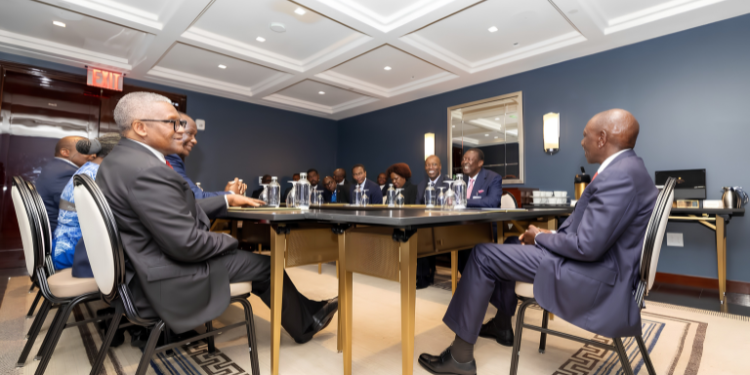
One of the most commercially significant outcomes is the progress made on plans for the proposed East Africa refinery project in Lamu.
Following talks between President Ruto and Nigerian billionaire Aliko Dangote, September 30 has been confirmed as the groundbreaking date for the project, which is expected to boost industrial activity and support regional energy supply chains.
UNGA Diplomacy and Global Partnerships
Beyond investment, Kenya used the UNGA meetings to pursue new trade opportunities.
Also Read: How Landlords and Employed Kenyans Drive Most Bank Defaults — CBK
Discussions with Pakistan focused on a proposed free trade agreement that could expand access for Kenyan tea and other exports.
The talks come as Kenya seeks to diversify export markets and reduce dependence on traditional trading partners.
Engagements with Ghana and Sierra Leone also centered on trade, investment and air connectivity.
Officials explored opportunities for Kenya Airways to strengthen its footprint in West Africa, including the possibility of direct flights between Nairobi and Freetown.
In the security sector, Kenya and the United Nations Office on Drugs and Crime (UNODC) agreed to strengthen cooperation on cybercrime, maritime security, border management and the fight against drug trafficking.
The partnership is expected to enhance the capacity of Kenyan law enforcement agencies to address emerging security threats.
Beyond the economic agreements, Ruto used the UNGA platform to push for reforms of the United Nations and the global financial system, arguing that developing countries should have a greater voice in international decision-making.
He also called for the UN to take the lead in regulating artificial intelligence globally, warning against a system in which a few countries set the rules for the rest of the world.
Follow our WhatsApp Channel and X Account for real-time news updates.