Nairobi Governor Johnson Sakaja has unveiled the next phase of Nairobi’s transformation program, outlining the projects residents should expect after the ongoing upgrades in the Central Business District (CBD), Uhuru Highway, and other major roads.
In a statement on July 24, the governor said his government will continue expanding road infrastructure, drainage systems, and pedestrian walkways as it seeks to modernize the city and improve mobility.
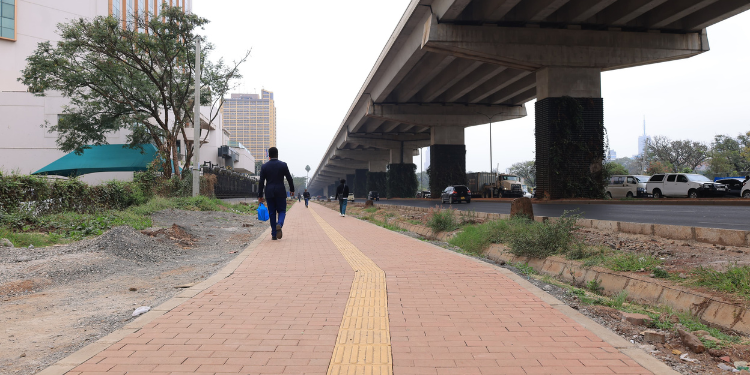
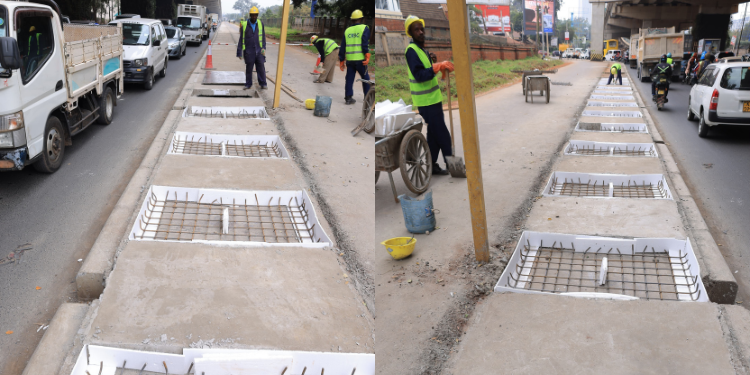
The announcement comes as new cabro-paved walkways continue to reshape parts of the CBD, with extensive drainage expansion and road improvements also underway along Mombasa Road, Uhuru Highway and Waiyaki Way.
According to Sakaja, the upgrades are aimed at addressing years of neglected infrastructure while improving Nairobi’s image as Kenya’s capital city.
“Nairobi is Kenya’s capital and the country’s gateway to the world. Roads such as Mombasa Road, Uhuru Highway and Waiyaki Way are among the first places visitors see. We are investing in high-quality walkways, expanding drainage networks to minimise flooding and developing attractive boulevards that reflect the image of a modern, world-class city,” Sakaja said.
Among the priority projects listed by Sakaja is replacing aging pavements with modern interlocking cabro blocks along major streets, including Mama Ngina Street, Kaunda Street, Standard Street and sections of Moi Avenue.
In the statement, Sakaja said road construction is also continuing on Kasuku Road, Jabavu Road, Timau Road, Amboseli Road and other strategic corridors.
Also Read: Nairobi County Introduces New Building Plan Approval Fees
According to the governor, the programme aims to rehabilitate more than 300 kilometres of roads across Nairobi’s 85 wards, with more than 160 kilometres already completed or substantially upgraded.
Flood Control, Street Lighting and Markets Next in Line
Beyond roads, the county is scaling up flood mitigation measures ahead of the anticipated El Niño rains later this year.
Nairobi has already identified more than 52,000 households, representing over 340,000 residents, as vulnerable to flooding and has designated more than 100 emergency holding centres across the city.
County teams are also continuing to desilt drainage systems, dredge rivers and unclog storm-water channels.
Another major priority is the installation and rehabilitation of more than 100,000 street lights.
Procurement has already been completed, with the first batch of equipment expected to arrive in the coming days before full rollout across Nairobi.
The programme is expected to improve security, support businesses and help establish Nairobi as a 24-hour economy.
At the same time, construction of the modern Gikomba Market is progressing, while City Park Market is undergoing major upgrades that include improved sanitation, modern utilities and a solar-powered cold room.
Environmental restoration efforts are also set to continue, with plans to develop recreational parks at Kibagare, Chiromo and Kamukunji after the restoration of the Kibagare River.
Authorities are also redesigning Globe Roundabout into a landscaped public space featuring gardens, a water fountain and elevated pedestrian walkways.
Also Read: Nairobi Introduces Six Business Categories Under New Trade Licence Fee System
Metro Project Remains Long-Term Vision
Beyond the ongoing infrastructure works, Sakaja said the county is laying the groundwork for Nairobi’s biggest transport project yet—the Nairobi Metropolitan Mass Rapid Transit System (NMRTS).
The proposed metro line will initially connect the Central Business District with Eastlands, while underground sections are planned for Westlands and Upper Hill once the project receives Cabinet approval.
Sakaja said the project is intended to transform mobility and reduce traffic congestion in the capital.
“We cannot continue welcoming international investors and visitors only for them to spend two hours stuck in traffic. We will turn Nairobi into a 20-minute city, where you can get anywhere within 20 minutes,” he said.
The projects form part of the broader Ruto-Sakaja cooperation agreement, signed on February 17 under Section 6 of the Urban Areas and Cities Act.
The agreement unlocked an additional Sh80 billion for joint National and County Government development programmes while leaving Nairobi County in charge of its constitutional functions.
Follow our WhatsApp Channel and X Account for real-time news updates.