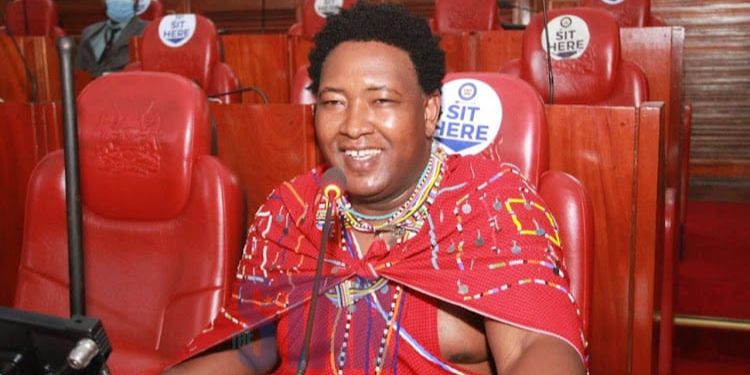
Narok Senator Ledama Olekina has sparked public debate after commenting on the relationship between fuel prices and road infrastructure funding in Kenya, revealing why high fuel prices are beneficial to the economy.
In his statement on April 20, Olekina argued that fuel pricing is directly linked to road development funding, noting that fuel is not “free money” and that levies collected from fuel sales are a major source of road financing in Kenya.
“I know it hurts a lot, but the truth is: Fuel isn’t ‘free money.’ Cheaper fuel means less levy revenue for roads,” he said.
Olekina Reveals Why Kenya’s High Fuel Price Is Beneficial to the Economy
According to Olekina’s statement, reductions in fuel prices lead to lower levy collections, which can reduce funds available for road construction and maintenance unless alternative financing mechanisms are introduced.
He presented comparative road statistics showing that Kenya has 164,967 kilometers of roads, with 15.1 percent paved, compared to Uganda’s 146,000 kilometers with 4.4 percent paved and Tanzania’s 181,000 kilometers with 8 percent paved.
“Kenya has 164,967 km of roads, 15.1% paved (24,868 km); Uganda has 146,000 km, 4.4% paved (6,466 km); Tanzania has 181,000 km, 8% paved (15,000 km),” he compared.
Notably, Olekina noted that Kenya relies on a fuel and roads levy system, meaning infrastructure development is partly dependent on fuel consumption-based taxation, outlining a policy trade-off between lower fuel prices for consumers and sustained or increased investment in road expansion and improvement projects.
Also Read: Ledama Olekina Asks President Ruto to Legalize Marijuana
He further cautioned against politicizing fuel pricing discussions, urging focus on structured policy decisions regarding infrastructure funding and national development priorities.
Senator Sparks Debate on Fuel Prices and Road Funding Trade-Offs
Olekina’s remarks linking fuel prices to road funding have triggered mixed reactions online, with some users supporting his position while others strongly criticized it.
Some critics argued that fuel-related levies have been mismanaged, citing previous audit reports alleging misuse of infrastructure funds, including claims of large-scale diversion of money collected through road and petroleum levies.
“The Auditor General reports confirm that more than Ksh 211B has been stolen in the name of the unconstitutional Railway Development Levy Fund. Railway Levy, Petroleum levy etc are all taxes deducted from a litre of petrol. You have been stealing funds, and now you want to tell us about road maintenance for roads you’ve failed to maintain?”-referring to a 2023-2024 report,” said X user @_James041.
Also Read: Ledama Olekina Tells DP Gachagua To Leave Raila Alone
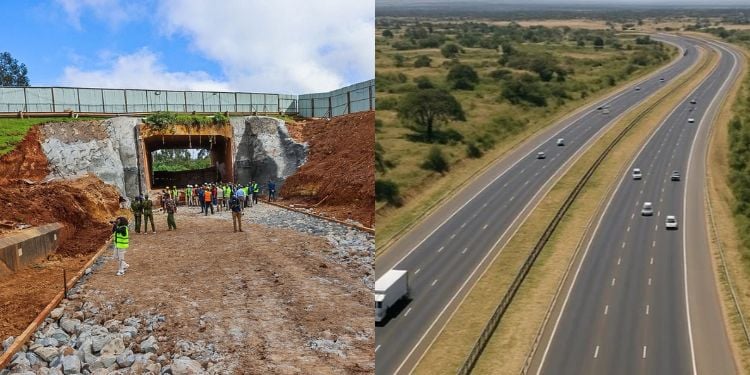
Others pointed to specific road projects, including the Ngong–Suswa road, saying completed works have deteriorated quickly and questioning the effectiveness of road development spending despite high taxation.
Several commentators maintained that lowering fuel prices should remain a priority, arguing that public funds are also lost through what they described as non-essential government expenditure and corruption-linked costs.
Another section of reactions accused the him of defending government policy, with claims that the focus should instead be on accountability for fuel levies, infrastructure delivery, and land-related corruption concerns.