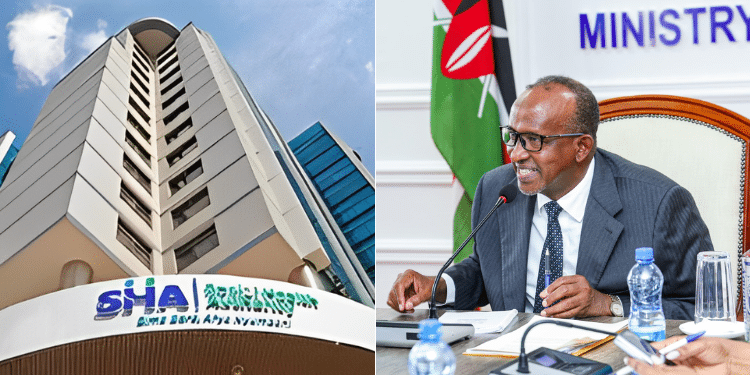
The Social Health Authority (SHA) has announced a disruption to its services after a system failure at the Digital Health Agency, which provides the digital platform it relies on.
In a notice issued on March 2, SHA Chief Executive Officer Mercy Mwangi stated that the authority had been informed about the problem, which has caused major downtime across essential digital systems.
“We have received a notification from our service provider, the Digital Health Agency, of a major incident resulting in significant system unavailability. Following a critical system failure on 1st March 2026, the essential digital platform has experienced a downtime,” read part of the notice.
Mwangangi added that the system outage has slowed services at health facilities that rely on its platform, especially in approving patient treatments. This delay has caused challenges for both patients and healthcare workers who depend on quick authorization to continue care.
The authority apologized for the inconvenience and said that its technical teams, together with experts from the Digital Health Agency, are working urgently to find the cause of the breakdown and restore the system as fast as possible.
Also Read: Health CS Announces Enhanced SHA Packages for Various Services
“We greatly appreciate your patience and understanding during this challenging period. We are committed to resolving this issue urgently. Regular updates will be shared with you until full, reliable service restoration is achieved,” added SHA.
Several Kenyans expressed frustration over the outrage, questioning how such a critical national health system could fail without a reliable backup in place. One concerned citizen, Kaizen, said:
“Ksh 104B health system without a back-up mechanism or plan. Will the provision of medical services be suspended because the SHA system is down?”
Another user, Awimbo, voiced similar anger, saying the system had barely been operational before showing signs of weakness:
“The system hasn’t even lasted a year, and it’s already falling apart.104 billion has gone to waste just like that. So does this mean people in critical condition will die because they can’t access services? Or do you have a manual option you can switch to before going back to digital once your looting is done?” questioned Awimbo.
Nyamai also criticized the situation, questioning the scale of investment against the reliability of the system:
“After spending 104 billion, can you afford to have service interruptions and downtime? Mediocrity.”
SHA Launching and Services
The Social Health Authority (SHA) was established in 2024 to replace the former National Health Insurance Fund (NHIF) as part of Kenya’s rollout of Universal Health Coverage, which is designed to ensure that every registered Kenyan can access essential health services without financial hardship.
Under the new system, SHA pays for key services such as HIV treatment, immunizations, and maternal health care. It also covers outpatient treatment at health facilities from Level 2 to Level 4, with the cost depending on the specific level of the facility.
The authority also supports long‑term care needs. Patients living with chronic illnesses, including diabetes, high blood pressure, and asthma, are catered to through specialized outpatient packages that help manage these conditions more affordably.
Also Read: Health Services SHA Beneficiaries Will Access for Free
Funds Powering SHA’s Healthcare Model
SHA operates through three main funds, each serving a different purpose:
1. Primary Healthcare Fund-This fund supports basic services offered at small local clinics and dispensaries (Levels 2 and 3). It focuses on everyday health needs such as checkups, minor treatments, and preventive care.
2. Social Health Insurance Fund (SHIF)-SHIF is designed for more advanced medical needs. It covers specialized services at larger hospitals (Levels 4 to 6), including surgeries, specialist consultations, and hospital admissions.
3.Emergency, Chronic, and Critical Illness Fund (ECCIF)-This fund is intended to help Kenyans facing emergencies, life-threatening conditions, and long-term illnesses. It ensures that urgent and costly treatments are accessible when they are needed the most.
Follow our WhatsApp Channel and X Account for real-time news updates.