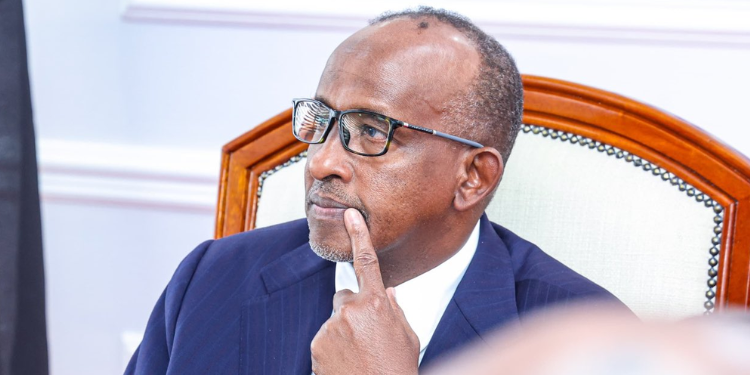
A dispute over the mandate of the Kenya Universities and Colleges Central Placement Service (KUCCPS) in the placement of the Kenya Medical Training College (KMTC) students escalated on Tuesday, when Health Cabinet Secretary Aden Duale appeared before the National Assembly’s Committee on Health.
KUCCPS Dual Mandate Fueling Confusion
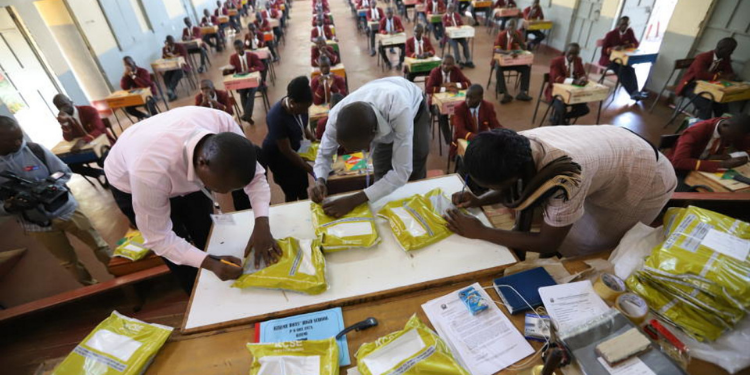
KUCCPS, which operates under the Ministry of Education, has for years been responsible for placing students into KMTC. At the same time, the Ministry of Health manages KMTC’s curriculum, training standards, and institutional management.
The MPs said this split mandate has created two power centres that frequently clash, causing delays, conflicting directives, and bottlenecks in health‑care workforce planning.
The Chairman of the National Assembly’s Health Committee, James Nyikal, said the current arrangement is unsustainable and has led to persistent confusion over who controls admissions and who finances the process.
“We can’t keep moving back and forth,” Nyikal told Health Cabinet Secretary Aden Duale. “The issue is simple: who carries the function, and who carries the money?”
Also Read: Why Govt Stopped Sending KUCCPS Students to Private Universities
Dr. Nyikal noted that a legal advisory from the Attorney General had already confirmed that KMTC is permitted to conduct its own admissions unless Parliament amends the law.
He questioned why this guidance had not been acted upon, saying the delay continues to hurt students and the country’s ability to train enough health professionals.
Calls for Legal Clarity
According to Nyikal, the legal position is straightforward: KMTC should manage its own admissions as a Ministry of Health institution. He added that Cabinet concurrence would simply enforce what is already lawful, not change policy.
He said the committee had previously engaged the Ministry of Education and reached common ground, making the continued standoff unnecessary.
Nyikal warned that the lack of alignment in roles and funding will continue to stall progress.
“We cannot continue undermining the training of health professionals at a time when the country faces staffing shortages,” he said.
CS Duale acknowledged the sensitivity of the matter, describing it as a “hot potato” that cannot be resolved by a single ministry.
“This matter has been there for about 10 years. If you want me to touch this hot potato, we must share it,” he said.
Duale reiterated that only Parliament could change the law and said he would seek a fresh advisory from the Attorney General and share it with the Education Ministry and the Head of Public Service.
He stressed that while the Ministry of Education may own KMTC’s infrastructure, the Ministry of Health oversees training standards and the health ecosystem.
Also Read: Storm as Ministry of Education Takes Firm Stand on Scrapping Diploma in ECDE
“There is no way the entire training of the health sector can be run by the Ministry of Education alone,” he said.
He also cautioned that commercial influences on medical training could compromise the country’s credibility internationally.
Concerns Over Registrar Training in Public Hospitals
After resolving the KMTC admissions debate, the committee turned to the ongoing challenges facing medical registrars in public hospitals.
Nyikal reminded the Ministry that Parliament had earlier agreed that registrar training positions must match national health needs and the capacity of facilities such as Kenyatta National Hospital and Moi Teaching and Referral Hospital.
The intention, he said, was to establish a fair rotation system in which new trainees replace outgoing cohorts.
He warned that policies allowing financial ability to determine access to these training opportunities would distort fairness and exclude deserving trainees.
“Once you create a policy that favours money in a public institution, you create an imbalance,” he said.
Nyikal added that registrars working extremely long hours without pay is unacceptable and demanded that the Ministry establish a clear budget line for their compensation.
Moyale MP Guyo Jaldesa supported strengthening the collegiate training model, saying it was designed to address county-level specialist shortages.
He noted that registrars both train and provide essential services, yet the Ministry no longer covers their salaries and training fees as it once did, a situation he described as unfair to trainees who provide full‑time service.
Follow our WhatsApp Channel and X Account for real-time news updates.