Kenya has been named among global markets associated with the movement and sale of counterfeit goods in a new U.S. trade report highlighting the worldwide spread of fake products and concerns over weak intellectual property enforcement systems.
The 2026 Special 301 Report by the Office of the United States Trade Representative highlights continued global challenges linked to trademark counterfeiting and piracy, noting the widespread production, transit, and sale of counterfeit goods across multiple regions.
According to the report, counterfeit goods are transported either directly to buyers or routed through international transit hubs before reaching markets, including Kenya.
“The counterfeits are shipped either directly to purchasers or indirectly through transit hubs, including in Chile, Hong Kong, Kyrgyz Republic, Peru, Singapore, Türkiye, and the United Arab Emirates, to third-country markets such as Brazil, Kenya, Mexico, Nigeria, Paraguay, and Russia, that are reported to have ineffective or inadequate IP enforcement systems,” the report stated.
Fake Goods Linked to Kenyan Market in U.S. Trade Report
The report identifies several categories of counterfeit goods linked to markets in Kenya, highlighting growing concerns about illicit trade and weak intellectual property enforcement systems.
“The problem of trademark counterfeiting continues on a global scale and involves the production, transshipment, and sale of a vast array of fake goods,” the report noted.
According to the report, counterfeit medicines and pharmaceutical ingredients remain among the most concerning products due to the potential health risks posed to consumers.
Also Read: Why Kenyan Companies Are Hiring More Casual Workers
The report also lists semiconductors and other electronic products as major categories of fake goods circulating through international counterfeit networks, affecting markets including Kenya.
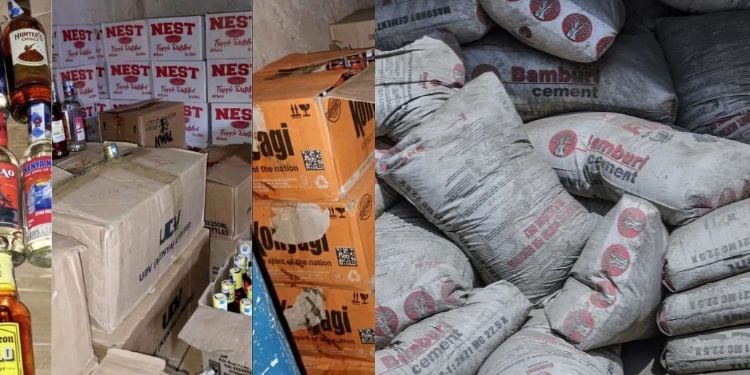
Other counterfeit products highlighted include automotive and aircraft parts, food and beverages, chemicals, household consumer products, and personal care items, many of which may bypass standard safety and manufacturing regulations.
Apparel, footwear, toys, and sporting goods were also identified among commonly traded counterfeit items moving through global illicit supply chains.
U.S. Trade Report Flags Kenya Over Weak IP Enforcement and Counterfeit Goods Trade
The 2026 Special 301 Report by the Office of the United States Trade Representative identifies Kenya as a market affected by weak intellectual property enforcement systems, despite the country not being placed on the Priority Watch List or Watch List.
According to the report, Kenya is among the third-country markets linked to the movement and sale of counterfeit goods due to what it describes as ineffective or inadequate IP enforcement structures.
Also Read: Why Kenya Cannot Build a Commercial Oil Refinery
The U.S. trade review also raises concerns about Kenya’s Collective Management Organization (CMO) system, noting that changes and license withdrawals have left some rights holders in non-operational organizations.
“Also, the collection and distribution of royalties to U.S. and other right holders should be carried out on a national treatment basis. Unfortunately, CMO systems in several countries are reportedly flawed or non-operational. In some countries, like India, Kenya, and Nigeria, withdrawals of, or changes in, a CMO’s authorization to operate leave right holders in defunct CMOs and music users confused over whom to pay,” the report cited.
According to the report, this has created confusion among music users over royalty payments and affected compensation for artists and copyright holders.
Additionally, the report highlights ongoing bilateral engagement between the United States and Kenya over Geographical Indications (GIs), particularly concerns that some regulations influenced by the European Union could restrict U.S. exporters from using commonly used product names in the Kenyan market.
The report concludes that enforcement gaps and administrative challenges continue to expose Kenya to counterfeit trade flows and affect intellectual property rights management and royalty collection systems.