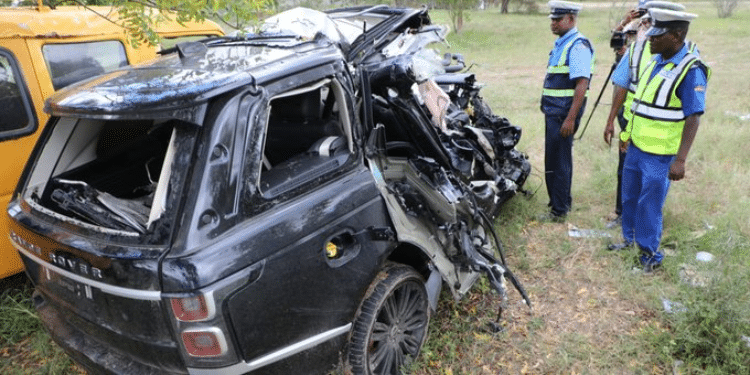

There has been a notable increase in the number of motor insurance claims rejected by insurers, mainly due to misunderstandings between insurers and policyholders about coverage.
According to data from the Insurance Regulatory Authority (IRA), insurance firms turned down a total of 22,364 compensation claims worth Ksh658.9 million during the first quarter of 2025.
While there are some cases where insurance companies have illegally failed to honour claims, experts observe that many times, insurers have valid reasons for not honouring claims.
“The cheapest policy won’t always offer you the best value,” notes Head of Claims at First Assurance, Jane Muthee.
“Understanding policy details, comparing options and looking beyond the premium price can ensure adequate coverage for your specific needs.”
As opposed to looking at the premium price only, Jane advises policy buyers to carefully review the policy wording before signing so as to understand all inclusions and exclusions.
Also Read: New Rules Introduced to Protect Drivers from Unfair Insurance Claim Denials – What it Means
At the very least, road users in Kenya are legally required to have third-party liability insurance, which covers damage or injury caused to another person or their property in an accident.
However, for robust protection, a comprehensive policy is often recommended. This covers third-party liabilities while also protecting your own vehicle from damages caused by accidents, theft, fire, natural disasters, or vandalism.
Background checks
Before buying insurance, clients are advised to conduct some background checks on the insurer’s financial stability and claim settlement ratio (CSR), which indicates the percentage of claims settled. A high CSR suggests efficiency and reliability.
“Working with reputable insurance providers can ensure you make an informed choice that provides genuine peace of mind on the road,” posed Muthee.
Also Read: EXPLAINED: What Proposed Regulatory Changes to the Insurance Sector in Kenya Mean
Insurers have introduced more flexible payment options, allowing motorists to spread the cost of comprehensive cover into monthly instalments to improve affordability.
Industry players, including First Assurance, also offer private motor insurance packages that typically include add-ons such as roadside assistance, limited medical cover, personal accident benefits, and optional extensions for risks such as political violence or terrorism, at an additional cost.
For commercial vehicle owners, insurers provide separate comprehensive policies designed to cover loss or damage to vehicles and accessories, as well as legal liability to third parties and passengers in the event of injury or death arising from commercial use.
Follow our WhatsApp Channel and join our WhatsApp Group for real-time news updates.