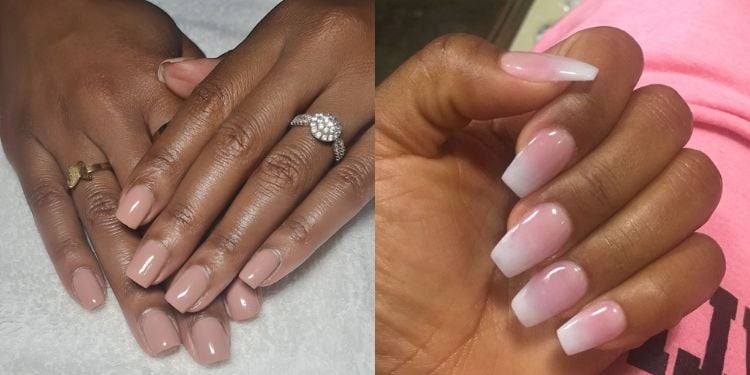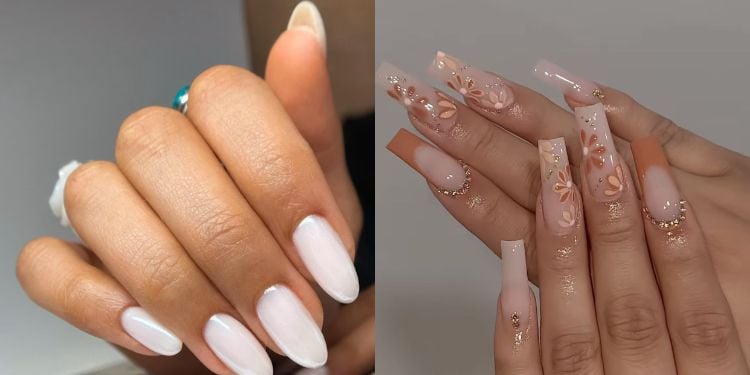
A well-done manicure is more than a beauty treatment, and the choice between gel and acrylic nails depends on personal preference, lifestyle, and the type of look you want to achieve.
For many people, a manicure is a form of self-expression, a confidence booster, and part of their personal grooming routine.
Gel nails and acrylic nails can create a polished, long-lasting manicure, but differ in application, appearance, durability, maintenance, and cost.
According to nail technicians and experts, understanding these differences can help select the option that best matches your lifestyle, budget, and preferred nail style.
Gel Nails Vs Acrylic Nails
Gel nails are created using gel-based products that are applied to the natural nail or used to create extensions before being cured under a UV or LED lamp.
Gel products come in different forms, including gel polish, soft gel extensions, and hard gel enhancements.
Unlike acrylic nails, gel polish is mainly used to add color and shine to natural nails, while soft gel extensions and hard gel can provide added length and structure.
“Gel nails are perfect for clients looking for a natural, lightweight manicure with long-lasting shine, while acrylics remain the preferred choice for those seeking maximum strength and dramatic extensions,” Byrdie beauty publication notes.
According to nail experts, gel nails are generally known for their glossy finish, lightweight feel, and more natural appearance compared with traditional acrylic enhancements.
On the other hand, acrylic nails are made by combining a liquid monomer with a powder polymer to create a workable mixture that is shaped over natural nails or nail extensions.
Once applied, the material hardens to form a strong enhancement.
Acrylics remain popular because of their strength, versatility, and ability to support longer nail lengths and dramatic designs, according to experts.
Advantages and Disadvantages of Gel Nails
One of the advantages of gel nails is their natural appearance, as they have a thinner finish that closely resembles natural nails, making them popular among people who prefer a subtle and elegant manicure.
In addition, gel nails are more flexible than acrylics, making them comfortable during everyday activities while the glossy finish remains intact for several weeks when properly maintained.
Further, many gel products produce less noticeable chemical odor compared with acrylic systems, creating a more comfortable salon environment.
However, gel nails may not provide the same level of strength as acrylics, for very long extensions or for those who frequently use their hands for physically demanding tasks.
The cost can also vary and may be higher depending on the type of gel service, salon, and design chosen.
Also Read: How to Do Gel Nails at Home: Step-by-Step Beginner Guide for Salon-Quality Results
Acrylic Nails Pro and Cons
Acrylic nails continue to be a preferred choice for people looking for durability and strength.
Their harder structure makes them suitable for longer extensions and detailed nail designs, including coffin, square, and stiletto styles.
Acrylics are also highly customizable because technicians can sculpt them into different lengths and shapes, offering a more affordable option depending on the salon and service package.
However, acrylic application involves products with a stronger chemical smell, particularly because of the liquid monomer used in the process.
Some people also prefer gel because acrylics can appear thicker and less natural if not applied carefully.
Improper removal of acrylic nails can damage natural nails, with nail experts recommending having enhancements removed professionally rather than peeling or forcing them off.
Also Read: Skincare Routine Guide for Every Kenyan Skin Type
Gel Nails vs Acrylic Nails Cost and Maintenance
The cost of gel nails and acrylic nails depends on the salon, location, nail length, design complexity, and the products used.
A simple gel manicure may cost less than a full set of acrylic extensions, while specialized gel extension services may cost more.
Similarly, acrylic prices can increase depending on the length, shape, and decorations added.
Gel manicures and gel enhancements often require a refresh after about two to three weeks, while acrylic nails typically need fills within a similar timeframe to maintain their appearance.
The durability of either option depends on application quality, aftercare, and daily activities.
To maintain healthy nails, experts recommend having enhancements applied and removed by trained professionals.
In addition, applicants should avoid picking or peeling artificial nails and keep cuticles moisturized.
Follow our WhatsApp Channel and X Account for real-time news updates.