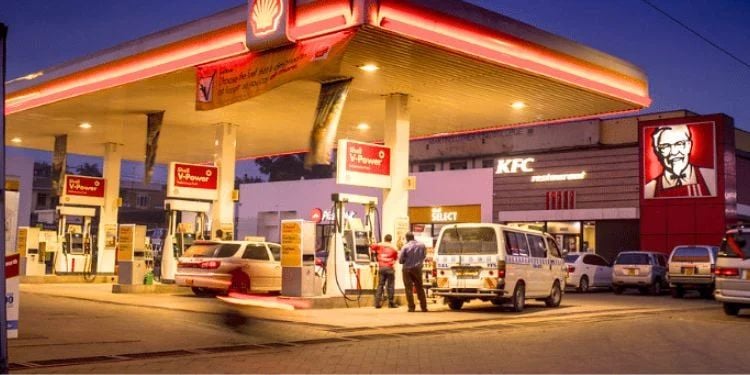
The Competition Authority of Kenya (CAK) has raised concerns over the conduct of some oil marketing companies following reports of fuel hoarding and other actions that could undermine fair competition in the petroleum sector.
In a statement on April 10, the Authority said it had taken note of growing public concern about the availability of key fuel products, including petrol, diesel, kerosene, and Jet A‑1, in different parts of the country.
The Competition Authority warned that fuel is an essential commodity that supports transport, businesses, and the wider economy, and that any deliberate attempt to restrict its supply is illegal under the Competition Act.
“Any deliberate attempt by suppliers, distributors, or retailers of fuel products to withhold supply from the market to create artificial scarcity, manipulate prices, or gain unfair commercial advantage is a prohibited practice under the Act,” the Authority said.
Also Read: Competition Authority Raids Six Foam Mattress Firms Over Suspected Cartel Practices
Competition Authority Warns of Penalties Over Hoarding Claims
CAK cited statements from government officials and agencies indicating that certain oil marketing companies may be hoarding fuel products or refusing to supply independent petroleum retailers outside their franchise networks, in anticipation of a fuel price increase.
The regulator cautioned that agreements or decisions by companies or their associations that prevent, distort, or reduce competition in the supply of goods and services are against the law.
It also warned against imposing unfair trading conditions that put some market players at a disadvantage.
CAK further flagged unconscionable business practices, especially where suppliers take advantage of business consumers during the supply of goods and services.
According to the Competition Authority, companies found to have breached the Competition Act risk financial penalties of up to 10 percent of their preceding year’s gross annual turnover in Kenya.
Individuals involved could also face criminal sanctions, including jail terms of up to five years, fines of up to Sh10 million, or both.
While noting the oversight role of the Energy and Petroleum Regulatory Authority (EPRA) in the petroleum sector, CAK said it will continue monitoring the situation across the country under its cooperation framework with the sector regulator and engage EPRA where necessary.
Under its existing cooperation framework with EPRA, the Authority said it will monitor developments across the country and work with the sector regulator as required.
Also Read: Global Oil Prices Decline as Kenyans Set Eyes on EPRA
Fuel shortage deepens as EPRA probes Stock Withholding
Several parts of the country, particularly areas outside major towns, have experienced intermittent fuel shortages in recent weeks, affecting petrol, diesel, and kerosene.
The supply disruptions have been linked to delayed fuel imports due to global oil price fluctuations, logistical challenges at the Port of Mombasa, and reports that some oil marketing companies are withholding supplies ahead of an expected fuel price adjustment.
The Energy and Petroleum Regulatory Authority (EPRA) has confirmed reduced fuel stock levels at some depots, while independent fuel retailers have complained publicly that they are struggling to access supplies from franchised dealers.
The situation has resulted in long queues at petrol stations and higher fuel prices in affected areas, disrupting transport services, farming activities, and small businesses.
“Preliminary investigations indicate that some Oil Marketing Companies are deliberately holding back sales to non‑franchised petroleum retailers, otherwise known as independents, in anticipation of a price increase,” said EPRA Acting Director‑General Joseph Oketch.