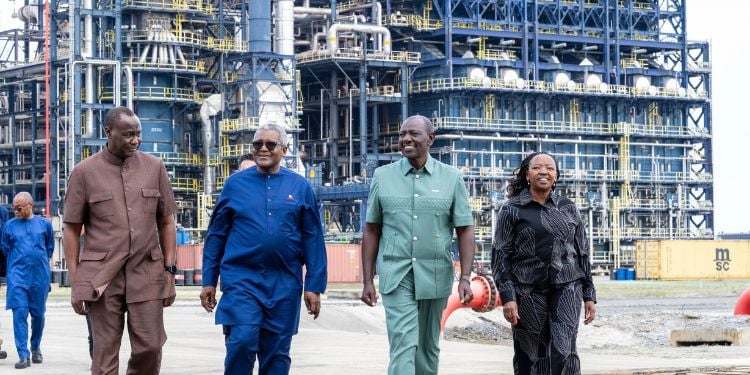
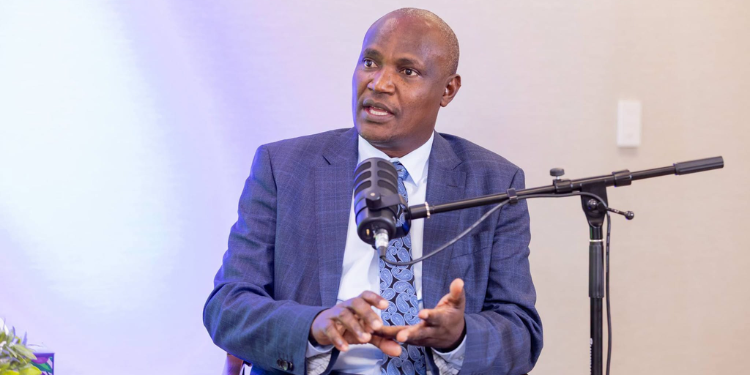
Treasury Cabinet Secretary John Mbadi has defended the proposed Dangote East Africa Refinery in Lamu.
Speaking ahead of the planned September 30 groundbreaking, Mbadi said the government’s focus should be on the economic benefits of the project rather than speculation over its eventual ownership structure.
The refinery is planned to process about 700,000 barrels of crude oil per day and has been estimated at between US$15 billion and US$17 billion.
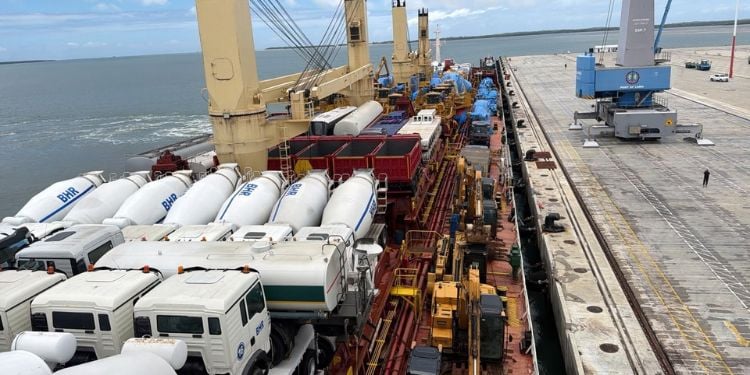
Heavy machinery weighing about 2,930 tonnes has already arrived at the Port of Lamu ahead of the groundbreaking ceremony.
Mbadi Explains Kenya’s Stake in Lamu Refinery
Mbadi said negotiations over Kenya’s potential stake in the refinery are still ongoing, cautioning against treating proposed figures as final agreements.
He said regional governments had reportedly been offered up to 30 percent of the project, with Kenya potentially taking up to 10 percent. He added that Kenya could seek a larger stake if other regional governments decide not to participate.
Also Read: How Kenyans Will Access Dangote IPO Through the NSE
The Treasury CS identified the National Investment Fund as one possible vehicle for Kenya to invest, while direct investment by the National Treasury was another option.
“What is important now is we are putting up a refinery for East Africa and an investor has been identified is coming in and has the confidence to invest in the economy, is a known investor regionally, and we have the figures and is starting off. So the first capital is coming from the investor as we will be on board as we move along,” added Mbadi
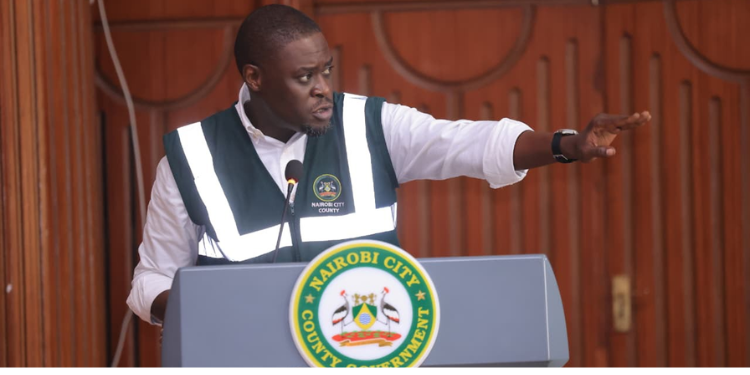
His comments came after Kiharu MP Ndindi Nyoro called for the government to disclose the directors and shareholders of the proposed refinery. Nyoro said Kenyans should know the ownership structure while also calling for foreign investors to be protected from interference.
Mbadi rejected allegations that President William Ruto personally owns shares in the project, saying government engagement with Dangote should not be confused with private ownership. He said the President’s involvement is part of efforts to attract major investments and facilitate projects.
“President Ruto’s engagement with Dangote and other international investors is part of the government’s responsibility to promote Kenya as an investment destination and to remove administrative barriers that can delay major investment,” said Mbadi.
Refinery Expected to Drive Jobs and Industry
Mbadi said the project should be seen as more than a petroleum refinery, describing it as a potential industrial platform that could support several businesses and supply chains in the country.
He said construction and operations could create opportunities in engineering, fabrication, transport, logistics, ICT, security, hospitality, maintenance and professional services.
Mbadi further said the petrochemical component could support downstream industries dealing in plastics, chemicals, synthetic materials, lubricants, solvents and other industrial inputs. He identified possible opportunities in manufacturing, packaging and, where commercially viable, tire production.
The Treasury CS also linked the project to Kenya’s foreign-exchange position, arguing that increased domestic refining could reduce some expenditure on imported refined petroleum products while creating opportunities to export petroleum and petrochemical products to regional markets.
Also Read: Kenya Set for First Oil: How Much Money and Jobs Could It Bring in 2026
He said supporting infrastructure such as pipelines, power generation, water systems, storage facilities and transport networks could also attract additional investment around the refinery.
Lamu Land Dispute Raises Additional Questions
The refinery is advancing alongside a legal dispute involving Lamu residents who claim ancestral rights over land linked to the development.
More than 100 Chandavai residents have gone to court alleging displacement and inadequate compensation, with the petitioners arguing that their families have occupied and used the land for generations.
On September 28, the Malindi Environment and Land Court directed parties to maintain the status quo on a disputed land parcel until October 14, and the groundbreaking and the ceremony will proceed.
Dangote Group has also said the court ruling will not prevent the official groundbreaking, although it could affect some site activities.
Mbadi said the government would compensate people who genuinely own land affected by public projects, while raising concerns about what he described as inflated land compensation claims.
Follow our WhatsApp Channel and X Account for real-time news updates.