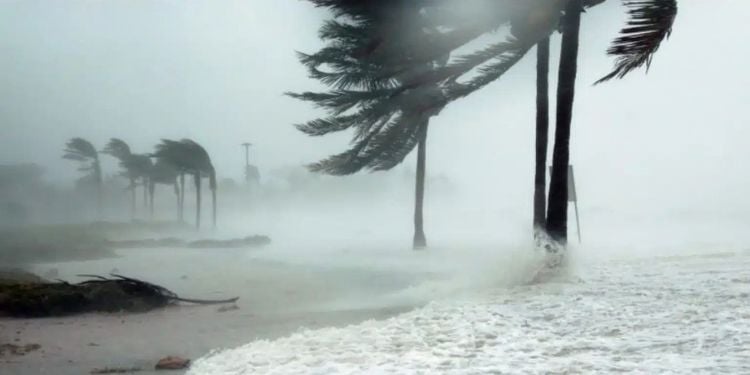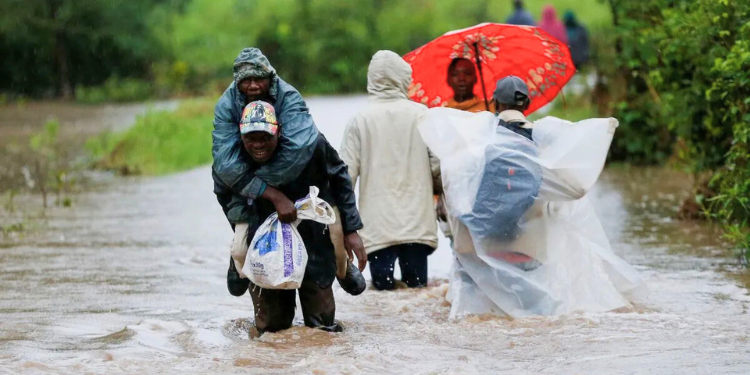
Kenya Meteorological Service Authority (KMSA) has forecast rainfall in several parts of the country from September 29 to October 5, as Kenya prepares for the October–December rainy season amid a strengthening El Niño weather pattern.
According to the weekly weather forecast, rainfall is expected in parts of 32 counties, including areas in the Coast, Eastern, Central, Nairobi, Western, Rift Valley and North Eastern regions.
The forecast comes as Kenya Met continues to monitor the developing El Niño, which is expected to influence weather conditions during the October–December season.
Kenya Met has forecast enhanced rainfall across most of the country during the season, although the amount and distribution will vary from one area to another.
Kenya Met Predicts Counties Expected to Receive Rain
Kenya Met says rainfall is expected in Lamu, Kwale, Kilifi, Mombasa, Tana River and Taita Taveta counties during the forecast period.
The forecast also covers Mandera, Marsabit, Meru, Embu, Garissa, Kiambu, Kirinyaga, Kisumu, Kitui, Laikipia, Machakos, Makueni and Murang’a.
Other counties expected to receive rainfall are Nairobi, Nakuru, Nyandarua, Nyeri, Tharaka-Nithi, Trans Nzoia, Bungoma, Elgeyo Marakwet, Bomet, Kericho, Kisii, Nyamira and Wajir.
Also Read: Govt Names County at Highest Risk as El Niño Rains Approach
The weekly forecast follows rainfall recorded in several parts of the country during the previous seven-day period.
Rainfall was recorded in Bungoma, Busia, Migori, Siaya, Nyamira, Kakamega, Kisii, Nakuru and Kericho counties.
Kibabii University Rainfall Station in Bungoma recorded the highest seven-day rainfall total at 125.1 millimetres.
Kenya Met said the Miyare Rainfall Station in Migori recorded the highest rainfall in a 24-hour period during the reporting period, receiving 61.2 millimeters on September 21.
Government Steps Up El Niño Preparations
The forecast comes as the government steps up preparations for the expected El Niño rains between October and December, with Garissa County identified as a high-risk area for flooding.
Garissa County projects that up to 89,000 households, representing about 150,000 people, could be affected by the rains.
Speaking at a closed-door meeting with senior government officials and heads of agencies involved in El Niño preparations, Deputy President Kithure Kindiki said the situation borders on a national security issue.
He urged Kenyans to follow safety instructions issued by security and disaster management agencies, particularly in areas vulnerable to flooding, landslides and mudslides.
“A situation like this is a matter of national security. The public is asked to comply with all instructions issued by security and disaster management agencies and other actors,” Kindiki said.
The government has identified Garissa as a county expected to face significant impacts from the heavy rains between October and December.
Garissa County’s preparations are being guided by the history of flooding along the Chana River.
Five sites have been identified within Garissa town to accommodate residents who may be displaced by flooding.
Also Read: The Three Types of El Niño That Could Shape Kenya’s Future
Garissa County has set aside KSh113 million for anticipatory action ahead of the rains.
A further KSh1.3 billion has been allocated for response, bringing the total amount set aside for anticipatory action and response to KSh1.413 billion.
Government Orders Evacuation Measures
Kindiki said security agencies and administrators had been directed to enforce evacuation orders and movement restrictions in flooded areas as preparations intensify in high-risk zones.
He also said the government was taking measures to protect post-harvest crops and livestock from diseases that could emerge during the rainy season.
“We are also seized of the need to protect the crops by providing dryers for moisture after the harvest and also vaccinating livestock against potential diseases that may break out during this season,” Kindiki said.
Follow our WhatsApp Channel and X Account for real-time news updates