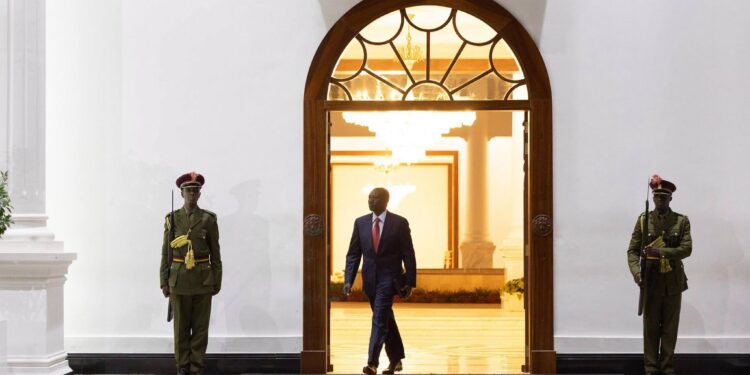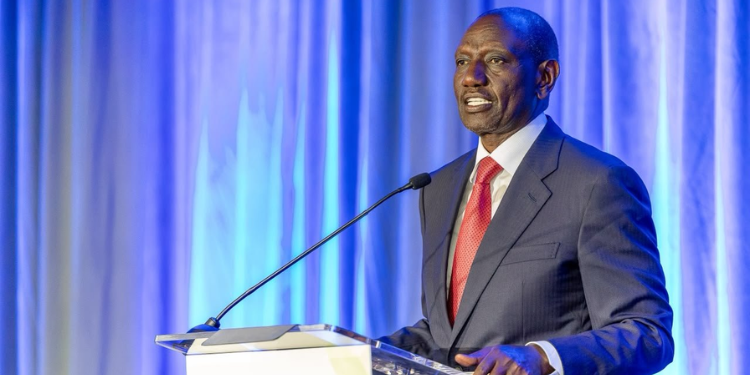
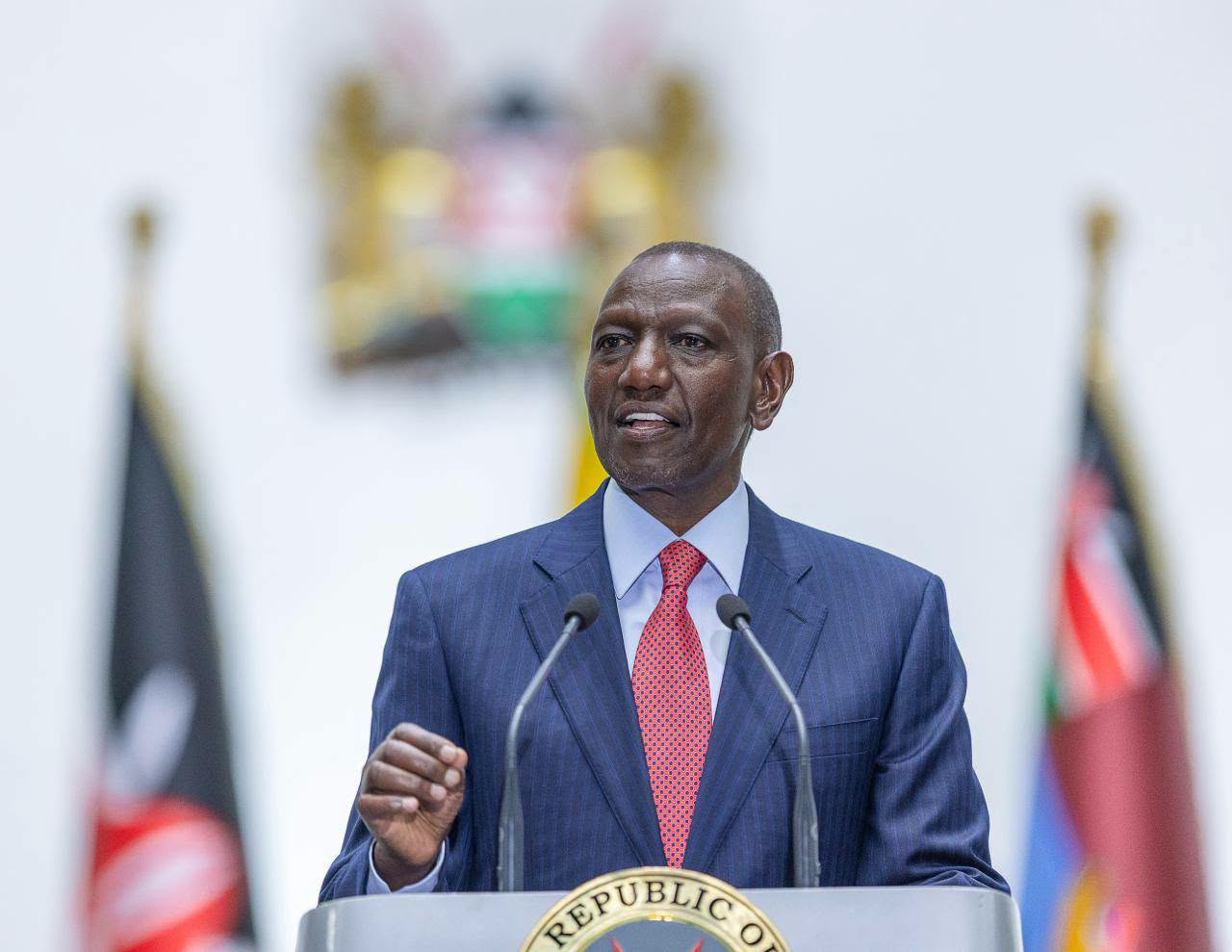
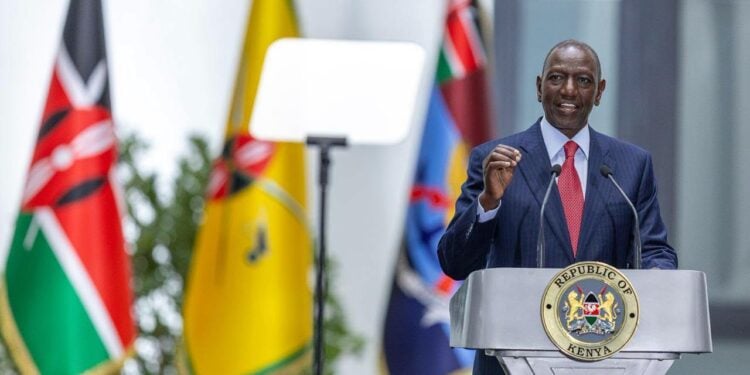
There was one question in President William Ruto’s address to the nation that deserves serious reflection. Looking at the astonishing transformation of countries such as Singapore and Vietnam, the President wondered why Kenya, blessed with immense resources and enormous human potential, continues to struggle to achieve the same level of development.
It is an important question. But it is also one of those questions whose answer is so close that we sometimes fail to see it.
Similar Beginnings, Divergent Destinies
In 1963, Kenya and Singapore stood at remarkably similar crossroads. Both were newly independent states inheriting colonial institutions and daunting economic challenges. Neither possessed a guaranteed path to prosperity. Yet six decades later, Singapore has become one of the world’s wealthiest and best-governed nations while Kenya is still debating the fundamentals of governance. The explanation cannot lie in geography, natural resources or intelligence. It lies in the quality of institutions, the discipline of leadership, and the choices successive governments have made about accountability and public service.
Singapore did not become Singapore because fate smiled upon it. It did not inherit vast mineral wealth. It did not possess endless fertile plains or expansive forests. It is a tiny island that, at independence, faced uncertain prospects and a future many doubted.
Kenya, on the other hand, has almost everything a nation could wish for. Rich agricultural land. A strategic location. A youthful population. A globally admired entrepreneurial spirit. Spectacular tourism resources. One of Africa’s most dynamic private sectors. If natural endowment alone determined prosperity, Kenya should have been among the world’s success stories long ago.
The Real Difference Was Always Governance
The difference was never geography. The difference was governance. When Lee Kuan Yew assumed office, he understood something that many leaders across the developing world underestimated. Corruption is not simply an ethical failing. It is an economic cancer. Every stolen public shilling is stolen twice, first from the Treasury and then from the future.
It is stolen from classrooms that remain overcrowded, hospitals that lack medicine, roads that crumble before they are officially commissioned, industries that never emerge, and young people whose dreams quietly die beneath the weight of unemployment.
Also Read: Missed President Ruto’s Special National Address? Here’s Exactly What He Said [FULL TEXT]
Singapore therefore made a choice that changed its destiny. It refused to negotiate with corruption. Kenya, sadly, often appears to have negotiated terms with it. Corruption has become so deeply woven into public life that it is sometimes discussed almost casually. Public projects are no longer judged solely by their impact on citizens but by whispers surrounding who secured the contract, whose interests are protected, and how much has allegedly been set aside as “facilitation.”
The national conversation shifts from value for money to value for influence. That is where development begins to lose its way.
Two Questions That Build Two Different Countries
Consider how differently successful nations think. Singapore asks one question before approving public expenditure: How will this improve the lives of our people?
Kenya too often asks another: Who benefits from this contract? Those two questions produce completely different countries. One builds prosperity. The other manufactures inequality. A road offers a perfect illustration. In Singapore, money allocated for a highway largely produces a highway. In Kenya, a road can become an endless political journey. It is launched with colourful ceremonies. Months later defects emerge. Parliamentary committees investigate. Audit reports expose irregularities. Fresh committees investigate earlier committees. Press conferences promise accountability. Eventually the public is informed that implementation was affected by procurement challenges, unforeseen circumstances or the now familiar phrase, economic headwinds.
The money disappears. The potholes remain. The explanation grows. No country has ever developed through explanations. Countries develop through execution.
Vietnam’s Quiet Lesson
Vietnam understood this. Over several decades it deliberately transformed itself into one of the world’s fastest-growing manufacturing centres. It invested patiently in industrial parks, vocational education, exports, infrastructure and production. It created an environment where factories could flourish, investors could plan decades ahead and workers could steadily improve their livelihoods.
Kenya has never lacked plans. We have produced blueprints impressive enough to fill libraries. Vision 2030. The Big Four Agenda. The Bottom-Up Economic Transformation Agenda. Every administration arrives carrying fresh promises of transformation. What remains elusive is not vision. It is disciplined implementation anchored on integrity.

The greatest irony is that Kenya does not suffer from a shortage of intelligence. Our engineers build world-class infrastructure abroad. Our doctors serve with distinction across the globe. Kenyan entrepreneurs establish successful businesses on every continent. Our universities continue producing brilliant graduates despite numerous constraints.
The raw material for greatness already exists. What frequently fails is the system within which these talented citizens must operate. A society eventually becomes whatever behaviour it rewards. When honesty is punished while corruption appears profitable, integrity slowly retreats from public life. When political loyalty consistently outweighs competence, excellence loses its incentive. When public office becomes a pathway to private accumulation rather than public service, development inevitably slows.
Corruption’s Greatest Crime
That is perhaps corruption’s greatest crime. It does not merely steal money. It steals national confidence. Young people begin believing that connections matter more than qualifications. Businesses conclude that influence is more valuable than innovation. Citizens gradually lose faith that effort alone can improve their circumstances. Once hope begins to disappear, economic statistics alone cannot repair the damage.
Mr. President, perhaps there is one question even more important than the one you asked tonight. Who continues to prosper while Kenya struggles?Who becomes wealthier every financial year even as ordinary families pay higher taxes, confront rising food prices, expensive fuel, costly healthcare and shrinking disposable incomes? Where exactly does the wealth created by hardworking Kenyans finally settle?
Also Read: Ruto Outlines His Plan to Transform Kenya into a First World Country
Because development is never an accident. Neither is underdevelopment. Every budget reflects priorities. Every procurement decision reveals values. Every appointment signals what government rewards. Every failure to hold the powerful accountable teaches society another lesson about what is acceptable.
Singapore did not wake up one morning and discover prosperity waiting outside its door. It built prosperity by protecting public resources with the same determination that nations protect their borders. It cultivated institutions that citizens trusted. It demonstrated that no individual stood above the law. Above all, it understood a timeless truth: corruption is not simply a legal offence. It is the systematic transfer of opportunity from millions of citizens into the hands of a privileged few.
The Answer Has Always Been Clear
Mr. President, nations do not become prosperous because they ask the right questions. They become prosperous because they are courageous enough to confront uncomfortable answers. Singapore did not discover a secret that Kenya cannot find. It simply refused to tolerate the habits that keep nations poor. Until Kenya makes that same decision, we shall continue admiring the success of others while explaining away our own unrealised promise. The answer to your question has never been hidden. It has been staring us in the face all along.
Follow our WhatsApp Channel and X Account for real-time news updates.