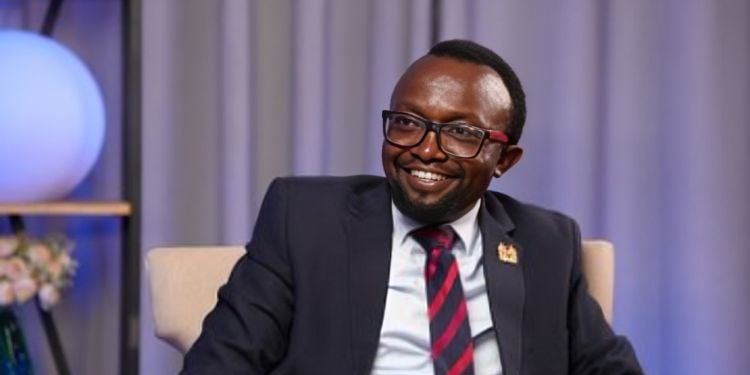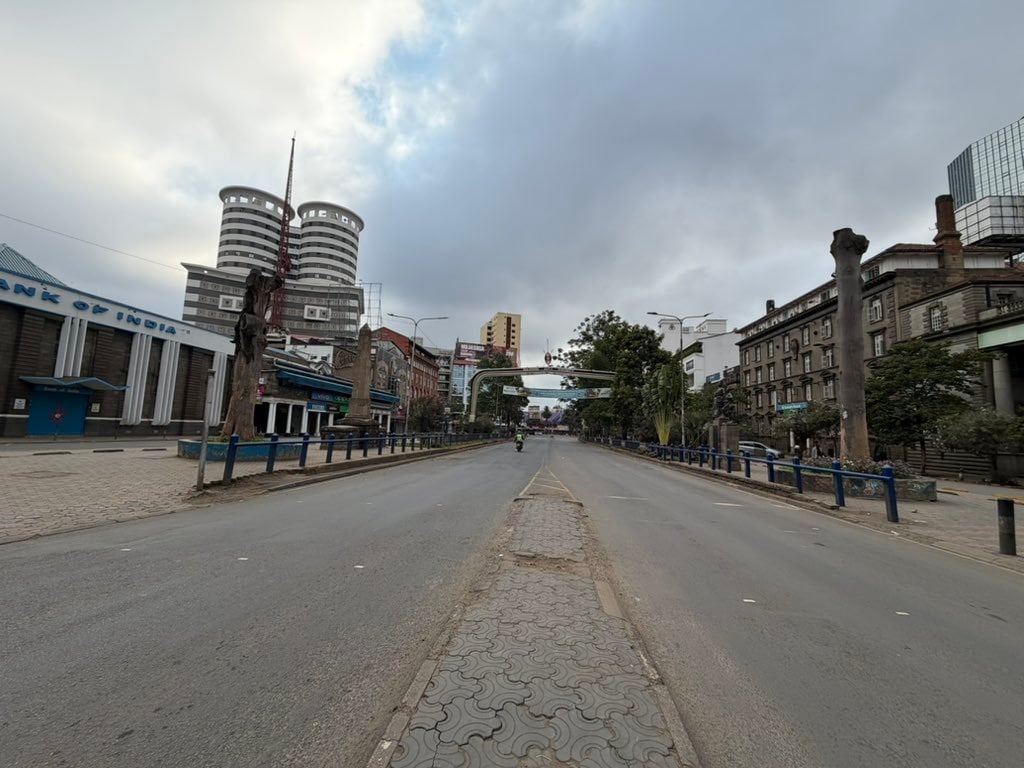
Ndegwa Njiru, an advocate of the High Court of Kenya has called on Kenyans to observe July 7, 2026, as a “People’s Public Holiday”.
According to Ndegwa Njiru, Kenyans should observe the Saba Saba commemoration by staying at home peacefully in remembrance of victims of political violence and in defense of constitutional values.
“I hereby call upon the people of Kenya to observe 7 July 2026 (Saba Saba Day) as a People’s Public Holiday by staying at home peacefully,” Ndegwa Njiru emphasized.
In his statement dated June 28, the advocate, referencing Articles 1, 2, 3, 10, and 37 of the Constitution, Njiru argued that sovereign power belongs to the people of Kenya and that citizens have a duty to respect, uphold, and defend the Constitution.
Further, he urged Kenyans to dedicate the day to remembrance, civic reflection, and the promotion of democracy, justice, and accountability.
The call comes as the country prepares to mark another Saba Saba anniversary in remembrance of those who lost their lives in the country.
Public Reaction to Ndegwa Njiru
The declaration by Ndegwa drew mixed reactions from Kenyans.
Some of the citizens have called out Njiru for his act, questioning whether, under the constitution, he is mandated to declare holidays.
On the other hand, some have sought clarification on the number of public holidays, arguing that Kenya has had too many and that Kenyans are losing businesses and lives.
According to Yubash Adam, the public holiday will negatively impact businesses, with protestors looting property in the guise of peaceful demonstrations, causing economic instability in the country.
Also Read: Govt Reports 355 Arrests as June 25 Protests End Peacefully Across Kenya
Public Holiday Declaration Process in Kenya
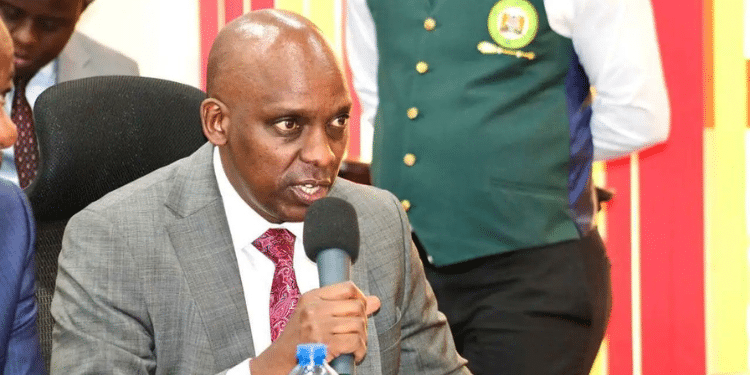
According to the Public Holidays Act, the Cabinet Secretary for Interior and National Administration is the government official with the power to declare a public holiday by notice published in the Kenya Gazette.
Under Kenyan law on the declaration of holidays, Njiru’s announcement is a civic appeal rather than an official declaration that legally recognizes a public holiday.
Meaning and History of Saba Saba
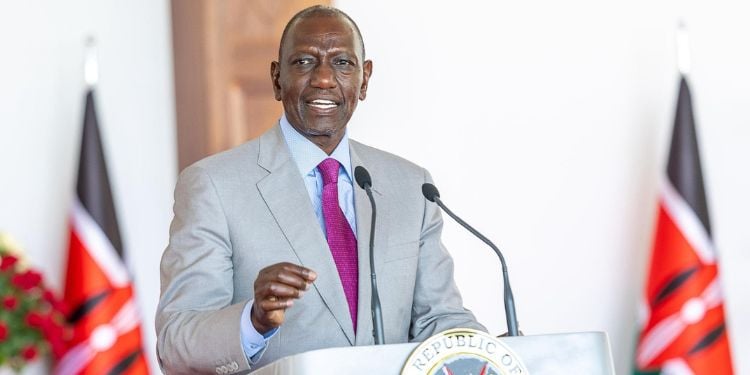
Saba Saba, referring to July 7, is a date that commemorates the demonstrations that took place on July 7, 1990, with Kenyans demanding political reforms and the restoration of multiparty democracy under the era of the former President Daniel Arap Moi.
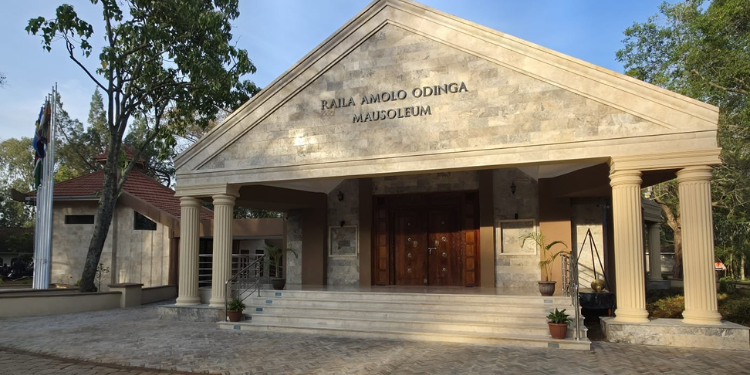
Pro-democracy leaders, including Kenneth Matiba, Charles Rubia, and Jaramogi Oginga Odinga, who called for political freedoms and constitutional reforms, spearheaded the movement.
Despite the government’s ban on a planned rally at Kamukunji Grounds and the arrest of key organizers, thousands of Kenyans participated in protests that were met with a security crackdown.
Following the 1991 demonstrations, Section 2A of the Constitution was repealed, restoring multiparty politics.
Saba Saba has since then evolved into a symbol of resistance against oppression, civic participation, and the defense of constitutional rights.
Also Read: Six Protesters Found Dumped After Alleged Abduction
Saba Saba Protests
Saba Saba anniversary events have gained momentum in recent years, with confrontations between protesters and security agencies.
On July 7, 2025, thousands of Kenyans took part in Saba Saba anniversary protests across several counties.
However, the Kenya National Commission on Human Rights (KNCHR) reported that by July 8, 2025, the commission had recorded 31 deaths, 107 injuries, 532 arrests, and 2 cases of enforced disappearances.
Later, the commission revised the figures, stating that the death toll had risen to 38 people, while at least 130 others were injured across the country.
According to KNCHR, most of the victims identified were youths below the age of 25.
Further, the commission also revealed that postmortem examinations conducted on several victims showed that the majority had died from gunshot wounds.
Among those killed was 12-year-old Bridgit Njoki Wainaina, who was reportedly struck by a bullet while inside her family’s home in Kiambu County.
Bridgit Njoki Wainaina’s death drew national attention, becoming one of the most tragic incidents associated with the Saba Saba protests.
Follow our WhatsApp Channel and X Account for real-time news updates.