When we think about fathers, we often think about the lessons they teach us. This June, as the world celebrates fathers, we have an opportunity to honor the men who have shaped our lives through their guidance, sacrifice, and unwavering commitment to their families.
Throughout generations, fathers have taken on the role of teachers, some teaching us how to ride a bicycle, overcome obstacles, or navigate life’s challenges. Others teach us through the quiet, everyday decisions they made and the roles they played to keep loved ones safe. It is checking that the doors are locked before bed, teaching a child how to cross the road, planning for emergencies, and making sacrifices to provide stability and security for their loved ones. It is in these everyday actions that we begin to understand something deeper: fatherhood and security are closely connected. Both are rooted in a simple but powerful commitment, ensuring others can live, work, and thrive without fear.
At its core, fatherhood is about responsibility. It is about creating an environment where others feel safe, supported and empowered to thrive. In many ways, these same principles form the foundation of security.
Contrary to popular belief, security is not only about responding when something goes wrong. The most effective security often goes unnoticed. It is found in preparation, vigilance and prevention. It is the ability to identify risks before they become problems and to implement measures that protect people from harm.
How Fathers Instinctively Practice Security
Fathers understand this instinctively.
A father teaches a child to look both ways before crossing the road not because danger is imminent, but because preparation matters. He ensures emergency contacts are available, encourages responsible behaviour and imparts values that help children make sound decisions long after they have left home. These actions may seem ordinary, yet they reflect a mindset centred on protection and preparedness.
Also Read: Court Rules Dowry‑Based Customs Cannot Block Fathers from Their Children
The same approach applies to communities, workplaces and businesses. Safety is not achieved through reaction alone. It is built through consistent actions, careful planning and a commitment to looking ahead.
The Unsung Role of Security Professionals
Across the world, thousands of men and women work every day to help create safer environments. Among them are security professionals who spend long hours safeguarding homes, businesses, schools, hospitals and public spaces. According to industry estimates, tens of thousands of private security personnel support safety and business continuity across the country, often serving as the first line of response during disruptions.
For these professionals, many of them fathers, the responsibility of protection does not begin or end with their work shifts. They understand what it means to care deeply about the wellbeing of others because they carry that responsibility both at home and in their profession.
The Hidden Sacrifices
Like many fathers, security professionals often make sacrifices that are rarely seen. They work nights, weekends and public holidays. They miss family celebrations and important milestones so that others can go about their daily lives with much-needed peace of mind. Their contribution, much like that of many fathers, is often most visible when something goes wrong, yet their greatest achievements are the incidents that never happen because they remained alert, prepared and present.
Why Technology Alone Is Not Enough
This is where technology plays a supporting role, but never the leading one.
CCTV systems, access control systems, radios, and alarms extend vigilance, but they cannot replace human judgment. A camera does not interpret intent. A radio does not calm panic. A system does not decide between escalation and de-escalation. Behind every tool is a person whose values, training, and discipline determine the outcome. Fatherhood operates on the same principle. It is not the rules, routines, or resources that shape a child most profoundly, but the judgment, character and example of the person behind them. Like security, effective fatherhood relies not only on systems, but on the people who bring them to life.
Security Is Ultimately About People
This is why security, at its best, is ultimately about people.
Fatherhood also reminds us that true protection extends beyond physical safety. It involves creating environments where people feel respected, supported and valued. Children flourish when they feel secure. Communities prosper when people trust those around them. Businesses grow when employees and customers feel safe.
Also Read: How to Add Father’s Name to a Child’s Birth Certificate After Marriage
Ultimately, fatherhood teaches a quieter but equally important lesson: leadership is not about visibility, but consistency. The most effective leaders are rarely the most visible. They show up. They build trust over time. They reduce fear not through words, but through dependable action. This is as true in a home as it is in a security operation.
A Father’s Day Reflection
As we celebrate Father’s Day, it is worth reflecting on these shared values. The importance of preparation. The discipline of responsibility. The power of calm communication and the quiet strength of consistency. This Father’s Day, take a moment to thank a father, a father figure, or a security professional who helps create stability in our daily lives
After all, both fatherhood and security share a common purpose: helping others live with confidence, knowing that someone is looking out for their well-being.
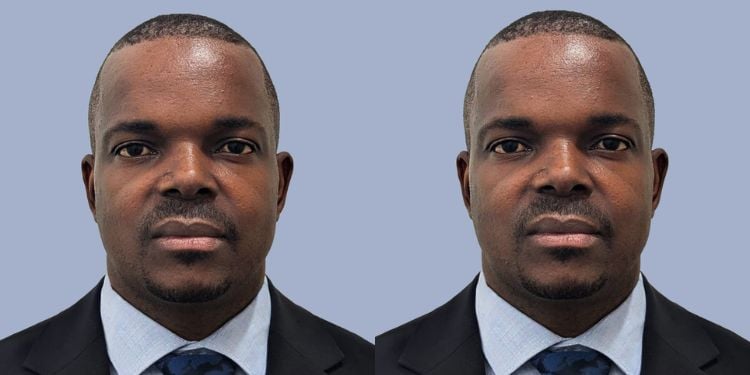
This article was written by Jules Delahaije, who is the SGA Security Group Chairman and CEO.
Follow our WhatsApp Channel and X Account for real-time news updates.