Thursday, July 9, 2026
  • News
    • Latest News
    • Breaking News
    • Fact Check
    • Investigations
    • Explainers
  • Politics
    • Global Politics
    • Elections
    • Government & Policy
    • Diplomacy
    • Conflicts & Security
    • Political Analysis
  • Business
    • Global Economy
    • Markets
    • Technology
    • Startups
    • Energy
    • Finance
  • World News
    • Americas
    • Asia
    • Asia Pacific
    • Africa
    • Europe
    • Middle East
  • Africa
    • Central Africa
    • East Africa
    • West Africa
    • Southern Africa
  • Health
    • Global Health
    • Public Health
    • Health Policy
    • Medical Research
    • Diseases & Conditions
    • Mental Health
    • Nutrition
    • Climate & Health
    • Health Explainers
  • Sports
    • World Cup 2026
    • Athletics
    • Basketball
    • Boxing
    • Cricket
    • Football
    • Formula 1
    • Golf
    • Rugby
  • Weather
    • Climate Business
    • Climate Change
    • Climate Solutions
    • Living Green
  • Culture
    • Arts
    • Film & TV
    • Food
    • Music
    • Lifestyle
    • Travel
  • Opinion
    • Editorials
    • Letters
  • Behind The Brand
REGISTER
LOGIN
No Result
View All Result
The Kenya Times
  • News
    • Latest News
    • Breaking News
    • Fact Check
    • Investigations
    • Explainers
  • Politics
    • Global Politics
    • Elections
    • Government & Policy
    • Diplomacy
    • Conflicts & Security
    • Political Analysis
  • Business
    • Global Economy
    • Markets
    • Technology
    • Startups
    • Energy
    • Finance
  • World News
    • Americas
    • Asia
    • Asia Pacific
    • Africa
    • Europe
    • Middle East
  • Africa
    • Central Africa
    • East Africa
    • West Africa
    • Southern Africa
  • Health
    • Global Health
    • Public Health
    • Health Policy
    • Medical Research
    • Diseases & Conditions
    • Mental Health
    • Nutrition
    • Climate & Health
    • Health Explainers
  • Sports
    • World Cup 2026
    • Athletics
    • Basketball
    • Boxing
    • Cricket
    • Football
    • Formula 1
    • Golf
    • Rugby
  • Weather
    • Climate Business
    • Climate Change
    • Climate Solutions
    • Living Green
  • Culture
    • Arts
    • Film & TV
    • Food
    • Music
    • Lifestyle
    • Travel
  • Opinion
    • Editorials
    • Letters
  • Behind The Brand
  • News
    • Latest News
    • Breaking News
    • Fact Check
    • Investigations
    • Explainers
  • Politics
    • Global Politics
    • Elections
    • Government & Policy
    • Diplomacy
    • Conflicts & Security
    • Political Analysis
  • Business
    • Global Economy
    • Markets
    • Technology
    • Startups
    • Energy
    • Finance
  • World News
    • Americas
    • Asia
    • Asia Pacific
    • Africa
    • Europe
    • Middle East
  • Africa
    • Central Africa
    • East Africa
    • West Africa
    • Southern Africa
  • Health
    • Global Health
    • Public Health
    • Health Policy
    • Medical Research
    • Diseases & Conditions
    • Mental Health
    • Nutrition
    • Climate & Health
    • Health Explainers
  • Sports
    • World Cup 2026
    • Athletics
    • Basketball
    • Boxing
    • Cricket
    • Football
    • Formula 1
    • Golf
    • Rugby
  • Weather
    • Climate Business
    • Climate Change
    • Climate Solutions
    • Living Green
  • Culture
    • Arts
    • Film & TV
    • Food
    • Music
    • Lifestyle
    • Travel
  • Opinion
    • Editorials
    • Letters
  • Behind The Brand
No Result
View All Result
The Kenya Times ~ Trending, Breaking News and Videos
No Result
View All Result
ADVERTISEMENT

5 Smart Ways to Move Beyond HELB Without Abandoning It

Peter OngerabyPeter Ongera
July 30, 2025
Reading Time: 6 mins read
Beyond Helb: Government Is Grappling With A Spike In Number Of Students.

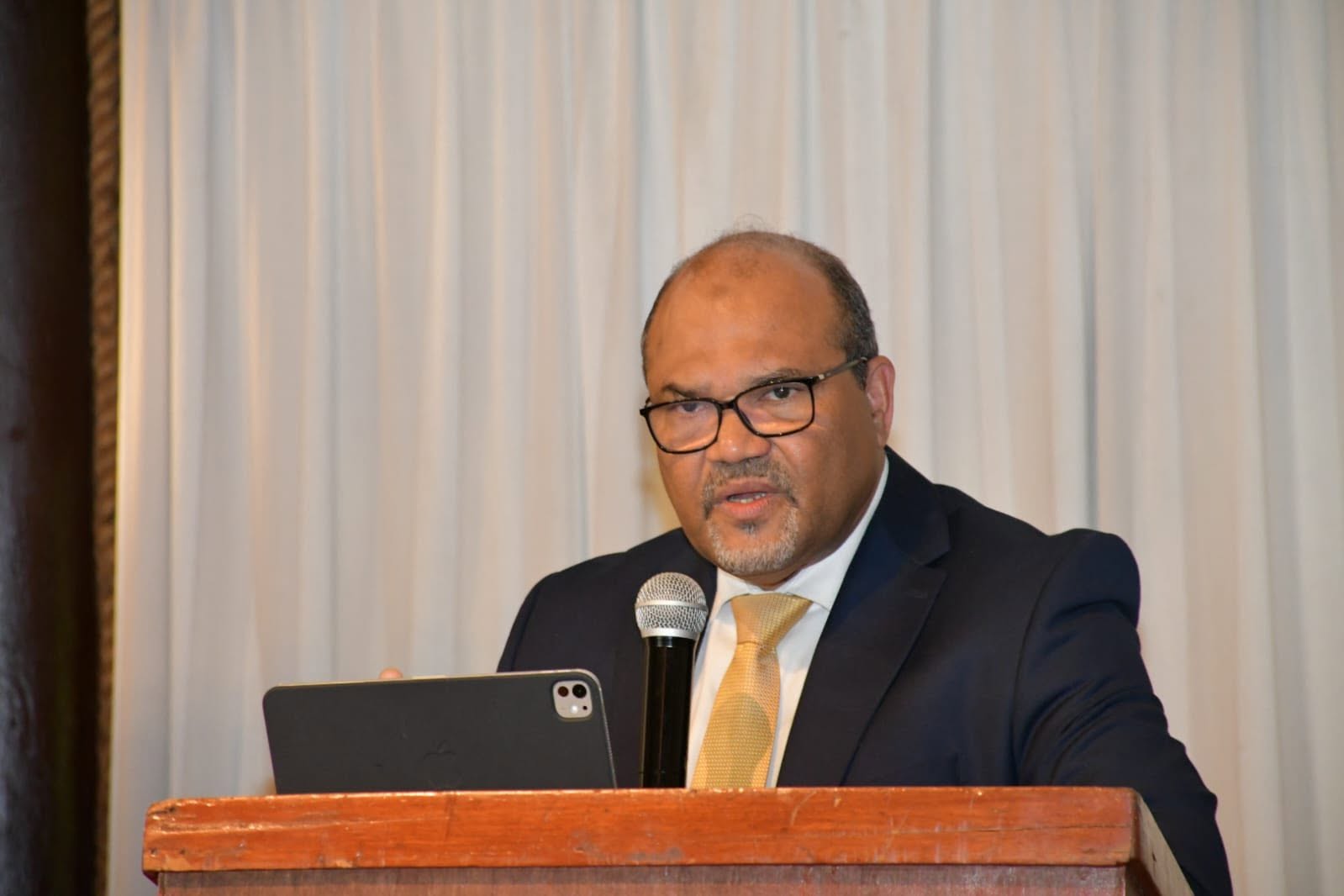
HELB CEO Geoffrey Monari appearing before parliament to address Higher Education Financing. PHOTO/HELB.

FacebookTwitterLinkedInRedditWhatsApp
Advertisement

There is a familiar silence in many Kenyan homes each August: the silence after a HELB application is submitted, and the waiting begins. Parents juggle bills; Form Four leavers refresh portals; university hopefuls weigh the cost of deferring a dream. For years, the Higher Education Loans Board has been our national safety valve. But a country of our ambition cannot rely on a single spigot in an era when the price of higher education rises faster than household incomes.

This is not an argument against HELB. It is an argument for imagination. If we want more doctors in Turkana, more software engineers in Nyeri, more teachers in Taita Taveta—and the economic dynamism that follows—we must build a financing ecosystem that is bigger, fairer and smarter than one loan scheme can deliver.

Consider a few lessons from abroad

Australia pioneered income‑contingent loans (HECS‑HELP). There, students pay nothing upfront; repayment begins only after a graduate’s salary crosses a threshold, with collections handled seamlessly through the tax system. The genius is moral and practical: no one is punished for graduating into a slow job market, and the state collects reliably from those who benefit most.

Germany took another path: most public universities charge no tuition at all. The government treats higher education like a public road—an enabler of productivity—and funds it accordingly. Students pay modest administrative fees and can access grants for living costs. Not every country can afford the German model wholesale, but the principle is instructive: society prospers when access is not gated by birth or bank balance.


Also Read: HELB Reveals Plans to Change the Funding Formula Ahead of 2025 Intake


The United States is often cited for its student‑debt crisis, but even there, the best universities offer a different lesson: endowments, alumni networks and robust work‑study programmes dramatically expand need‑based aid. Students earn on campus, labs spin out innovations, and philanthropy multiplies opportunity.

ADVERTISEMENT

Brazil blends public and private through PROUNI (scholarships in private universities for low‑income students) and FIES (subsidised loans). The state buys seats from private providers instead of building everything itself. The result: more capacity without crushing the public purse.

Closer to home, Rwanda links public financing to national needs. Conditional scholarships send graduates into critical public‑sector roles for a period of service. Education becomes a pact: the state invests in you; you invest your skills back into the state.

None of these models is copy‑and‑paste. But together they offer Kenya a palette of options. We can paint our own picture.

Here is a five‑point blueprint to move beyond HELB without abandoning it.

1) Make repayment humane—and efficient

Transform part of HELB and bank‑issued student loans into income‑contingent repayment. Tie payments to earnings, collected through the tax and payroll system once graduates hit a clear income floor. Graduates who are underemployed, in gig work or in rural service years should not be harried by fixed instalments that ignore reality. This reform requires coordination among Treasury, KRA, HELB and employers—but the payoff is immense: higher compliance, less default, fairer burden‑sharing.

2) Create a National Scholarship & Bursary Portal

ADVERTISEMENT

Right now, opportunities are scattered—county bursaries, CDF allocations, faith‑based grants, NGO and corporate scholarships, diaspora initiatives. Centralise listings, standardise eligibility, and publish award decisions for transparency. Let a student in Kilgoris see, in one place, everything she can apply for—deadlines, criteria, past awardees. A portal won’t cost billions, but it would save thousands of dreams.

3) Mobilise private capital—responsibly

Encourage banks and SACCOs to offer education loans with tax incentives and partial public guarantees for high‑demand fields (teaching, nursing, green tech, agricultural extension). Pilot income‑share agreements (ISAs) with strong consumer protections: students pledge a small, capped percentage of future income for a defined period; investors take the risk. Regulate ruthlessly—no hidden fees, no aggressive collections—and publish outcomes so students can compare offers.

4) Let universities build endowments and jobs

Empower public universities to create endowment funds—with matching grants for gifts from alumni and industry—and professionalise fundraising. Expand work‑study programmes so students can earn on campus in libraries, labs, farms, clinics and IT helpdesks without compromising learning. When students earn, they stay enrolled; when alumni give, institutions grow; when industry co‑funds, curricula stay relevant.

5) Link funding to service and national priorities

Offer bonded scholarships for critical sectors: full or partial funding in exchange for two to four years of service in under‑served counties. Pair this with a tuition‑for‑service swap for graduates already in arrears: clear a portion of debt for each year worked in a hardship posting. That’s how you turn financing into nation‑building.

Of course, financing design means nothing without governance. We must publish data: who applied, who received, what courses were funded, completion rates, employment outcomes, default rates. Sunlight disciplines both lenders and beneficiaries. Likewise, we need student protection rules: plain‑language disclosures, interest caps for publicly backed loans, hardship deferments, and an ombuds office to mediate disputes.

Parents have a role too. Start early. Treat school fees like a long‑term project: a modest monthly contribution to an education savings account—even a SACCO‑linked one—beats panic borrowing in September. Students must learn the new literacy of the 21st century: not just coding or chemistry but reading the fine print. A “cheap” loan can become the most expensive mistake if compounding and penalties are ignored.


Also Read: Why 468,237 University and College Students Risk Missing HELB Funding in 2025


Policymakers often ask, “Where will the money come from?” A fair question. Here are honest answers. Redirect a small share of sin and luxury taxes into a ring‑fenced Higher Education Opportunity Fund. Issue a diaspora education bond with a patriotic yield, proceeds earmarked for scholarships and campus infrastructure. Require large government suppliers to contribute to a skills levy—a fraction of contracts dedicated to training the graduates those firms will eventually hire. None of these ideas is radical; each is doable.

Sound Policy

Let’s also be clear about what we gain. Financing higher education is not charity; it is economic policy. Every shilling invested in a qualified nurse, a competent teacher, a skilled technician or a credible researcher multiplies across decades of productivity, tax revenue and healthier communities. The return dwarfs the cost.

I think of Emily, a young woman from Githurai who assumed HELB was the only bridge to university. When it didn’t come through on time, her family found a county bursary and a small faith‑based grant. Today she’s in second year, tutoring first‑years in statistics to cover her hostel fees. She is not an exception; she is a clue. When information flows, when options multiply, when repayment aligns with reality, students find their way.

Kenya has never lacked talent. We have lacked, at times, the architecture to turn talent into opportunity. Building that architecture will take Parliament’s pen, Treasury’s spreadsheets, banks’ discipline, universities’ ingenuity and communities’ trust. HELB should remain a pillar—but it cannot be the whole house.

The next time a family sits in that August silence, let them have more than one door to knock. Let them see a system that is not a lottery but a ladder. That is how a nation climbs.

Follow our WhatsApp Channel and X Account for real-time news updates.
Beyond Helb: Kenya Needs A Smarter Way To Pay For University
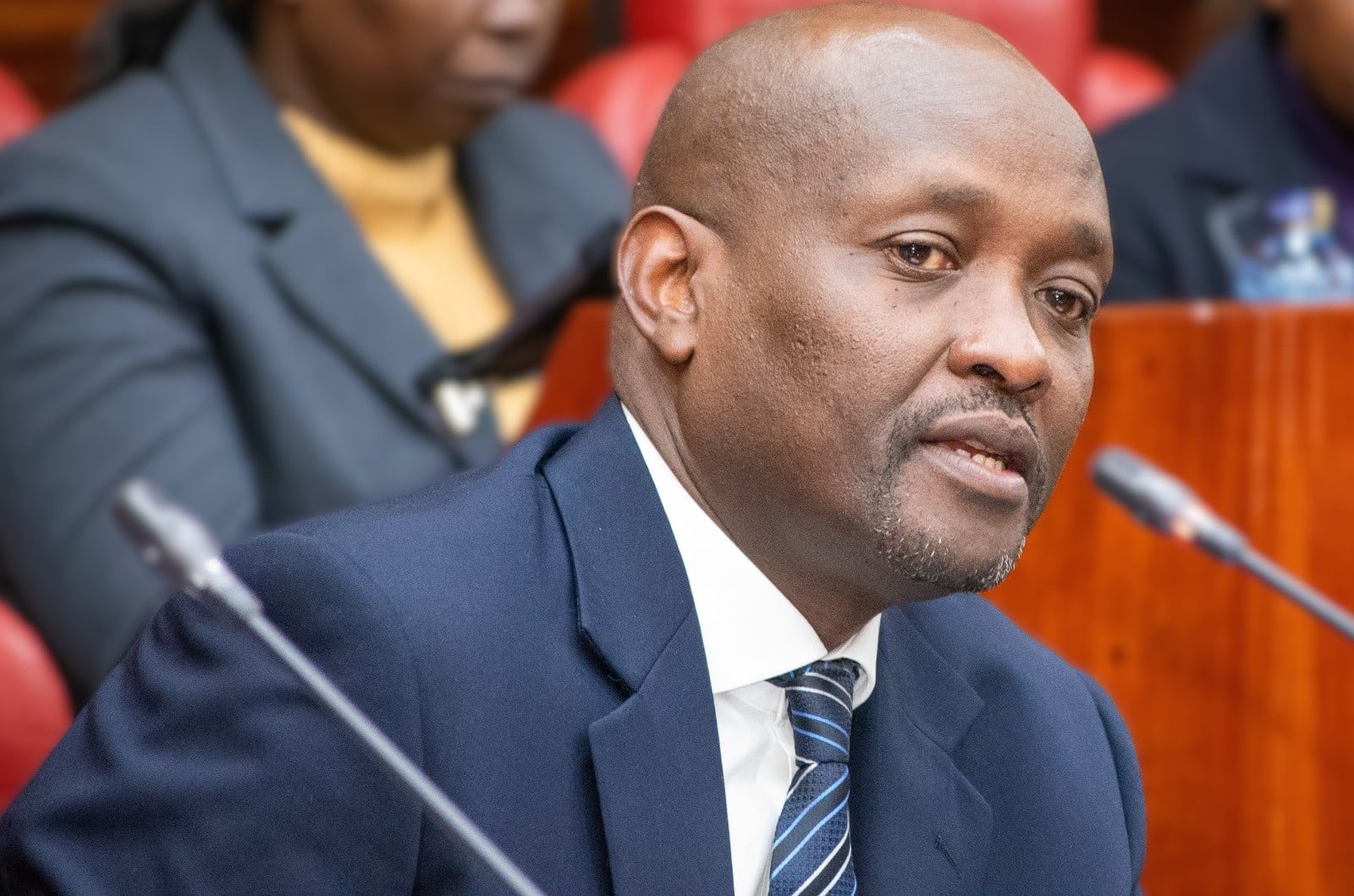
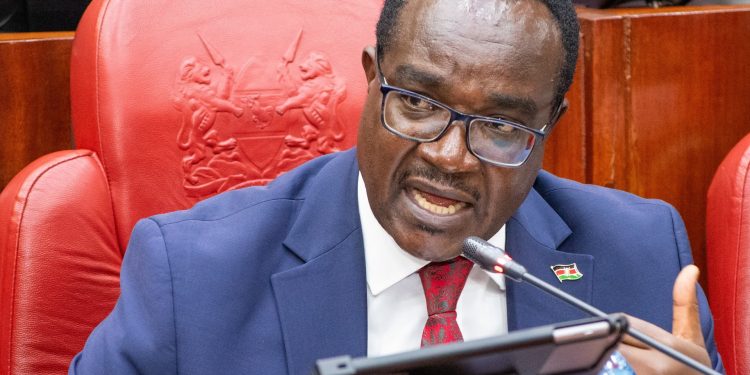
Education CS Julius Migos appearing before parliament to address Higher Education Financing. PHOTO/HELB.
Tags: HELBMinistry Of EducationNew University Funding ModelUniversity FundingUoN
Peter Ongera

Peter Ongera

Peter Ongera is an award-winning investigative journalist whose fearless reporting has exposed corruption, human rights violations, and illicit financial flows across Kenya and the African continent. With over a decade of experience, Peter has become a trusted voice on issues of governance, electoral integrity, and democratic accountability. His deeply researched stories have been featured by respected platforms including the Thomson Reuters Foundation, Internews, Africa Check, Lida Network, Hivos, and Context. Trained in digital forensics, open-source intelligence (OSINT), and fact-checking, Peter combines cutting-edge verification techniques with a passion for evidence-based storytelling. He has also mentored emerging journalists across the globe, equipping them to hold power to account. Through his work, Peter champions a journalism that not only informs but drives systemic reform; empowering communities to demand transparency, justice, and lasting change. You can reach him at [email protected].

Related Posts

Expert Explains Why Kenya Must Choose Peace: Stop Political Violence And Goonism Before 2027 Elections

When Violence Becomes Politics, Kenya Must Choose Peace

July 9, 2026
President William Ruto At A Previous Rally. Photo/Pcs.

Opinion | The Political Cost of Unfinished Grief in Ruto’s Re-election Calculus

July 8, 2026
Kenyans To Pay More For Uber And Bolt In Govt'S Move To Set New Minimum Fares

Kenya Is Becoming a Compliance State Instead of a Developmental State

July 6, 2026
A Photo Collage Of Cbk Governor Kamau Thugge And Kenya Bankers Association Ceo Raimond Molenje. Photo/Kba/Cbk.

Why Your Money in the Bank May Not Be Safe – The Power of Strong Bank Boards

July 3, 2026
ADVERTISEMENT

The Kenya Times Facebook

LATEST NEWS

  • Karoline Leavitt Attacked Over Marriage to 61-Year-Old Husband After Calling Gen Z ‘Lazy’
  • Americans Born Under Birthright Citizenship Face New Court Battle as Trump Seeks Rehearing
  • Hunter Biden Launches Substack Series With Fresh Claims About Laptop Saga
  • A Guide to Mastering Blockchain Intelligence and Analytics Tools
  • Questions Arise as Postmortem Fails to Establish Cause of Death in KFS Legal Manager
  • Why Many Kenyans Prefer Android Over iPhone
  • ‘We Are Waiting for the Americans to Save Us’ – In Crisis, Cubans Have Given Up on Reform From Within
  • Why Dangote Overlooked Isiolo When Choosing Location of His Giant 700,000 bpd Single Train Refinery
  • IEBC Reveals Plan to Delay Ol Kalou By-Election Until 2027
  • Multi-Vehicle Collision Disrupts Traffic on Naivasha–Nakuru Highway
  • Profile of Kenneth Ngure, Kenyan Professor Appointed to WHO STI Advisory Group
  • How FIFA Chooses Referees for World Cup Matches: Full Selection Process Explained
  • Mbadi Reveals Why Govt Canceled Original Ksh249.7B Nairobi-Nakuru Highway Deal
  • How First-Year Students Can Download University Admission Letters
  • Wicknell Chivayo Firm to Deliver Key 50MW Solar Project Within 8 Months
ADVERTISEMENT

Company

About Us

Our Authors

Our Experts

Social Media

Policies

Privacy Policy

House Rules

Standards and Policies

Terms and Conditions

Subscription

My Account

Contact Us

Contact Us

Join Our Team

Advertise With Us

© Copyright 2026 | The Kenya Times | All Rights Reserved

Welcome Back!

Sign In with Facebook
Sign In with Google
Sign In with Linked In
OR

Login to your account below

Forgotten Password? Sign Up

Create New Account!

Sign Up with Facebook
Sign Up with Google
Sign Up with Linked In
OR

Fill the forms below to register

All fields are required. Log In

Retrieve your password

Please enter your username or email address to reset your password.

Log In
Your Privacy and Cookies
We use cookies on our website to give you the most relevant experience by remembering your preferences and repeat visits. By clicking “Accept”, you consent to the use of ALL the cookies.
Do not sell my personal information.
Cookie settingsACCEPT
Privacy & Cookies Policy

Privacy Overview

This website uses cookies to improve your experience while you navigate through the website. Out of these cookies, the cookies that are categorized as necessary are stored on your browser as they are essential for the working of basic functionalities of the website. We also use third-party cookies that help us analyze and understand how you use this website. These cookies will be stored in your browser only with your consent. You also have the option to opt-out of these cookies. But opting out of some of these cookies may have an effect on your browsing experience.
Necessary
Always Enabled
Necessary cookies are absolutely essential for the website to function properly. This category only includes cookies that ensures basic functionalities and security features of the website. These cookies do not store any personal information.
Functional
Functional cookies help to perform certain functionalities like sharing the content of the website on social media platforms, collect feedbacks, and other third-party features.
Performance
Performance cookies are used to understand and analyze the key performance indexes of the website which helps in delivering a better user experience for the visitors.
Analytics
Analytical cookies are used to understand how visitors interact with the website. These cookies help provide information on metrics the number of visitors, bounce rate, traffic source, etc.
Advertisement
Advertisement cookies are used to provide visitors with relevant ads and marketing campaigns. These cookies track visitors across websites and collect information to provide customized ads.
Others
Other uncategorized cookies are those that are being analyzed and have not been classified into a category as yet.
SAVE & ACCEPT
LOGIN | REGISTER
  • Login
  • Sign Up
  • Cart
No Result
View All Result
  • News
    • Latest News
    • Breaking News
    • Investigations
    • Explainers
    • Fact Check
  • Politics
    • Global Politics
    • Conflicts & Security
    • Elections
    • Diplomacy
    • Government & Policy
    • Political Analysis
  • Business
    • Global Economy
    • Markets
    • Technology
    • Startups
    • Energy
    • Finance
  • World News
    • Americas
    • Asia
    • Asia Pacific
    • Africa
    • Europe
    • Middle East
  • Africa
    • East Africa
    • West Africa
    • Southern Africa
    • Central Africa
  • Health
    • Global Health
    • Public Health
    • Health Policy
    • Medical Research
    • Diseases & Conditions
    • Mental Health
    • Nutrition
    • Climate & Health
    • Health Explainers
  • Sports
    • World Cup 2026
    • Athletics
    • Basketball
    • Boxing
    • Cricket
    • Football
    • Formula 1
    • Golf
    • Rugby
  • Weather
    • Climate Business
    • Climate Change
    • Climate Solutions
    • Living Green
  • Culture
    • Arts
    • Film & TV
    • Food
    • Lifestyle
    • Music
    • Travel
  • Opinion
    • Editorials
    • Letters
  • Behind The Brand
  • Contact Us

Not enough quota to unlock this post
Unlock left : 0
Are you sure want to cancel subscription?