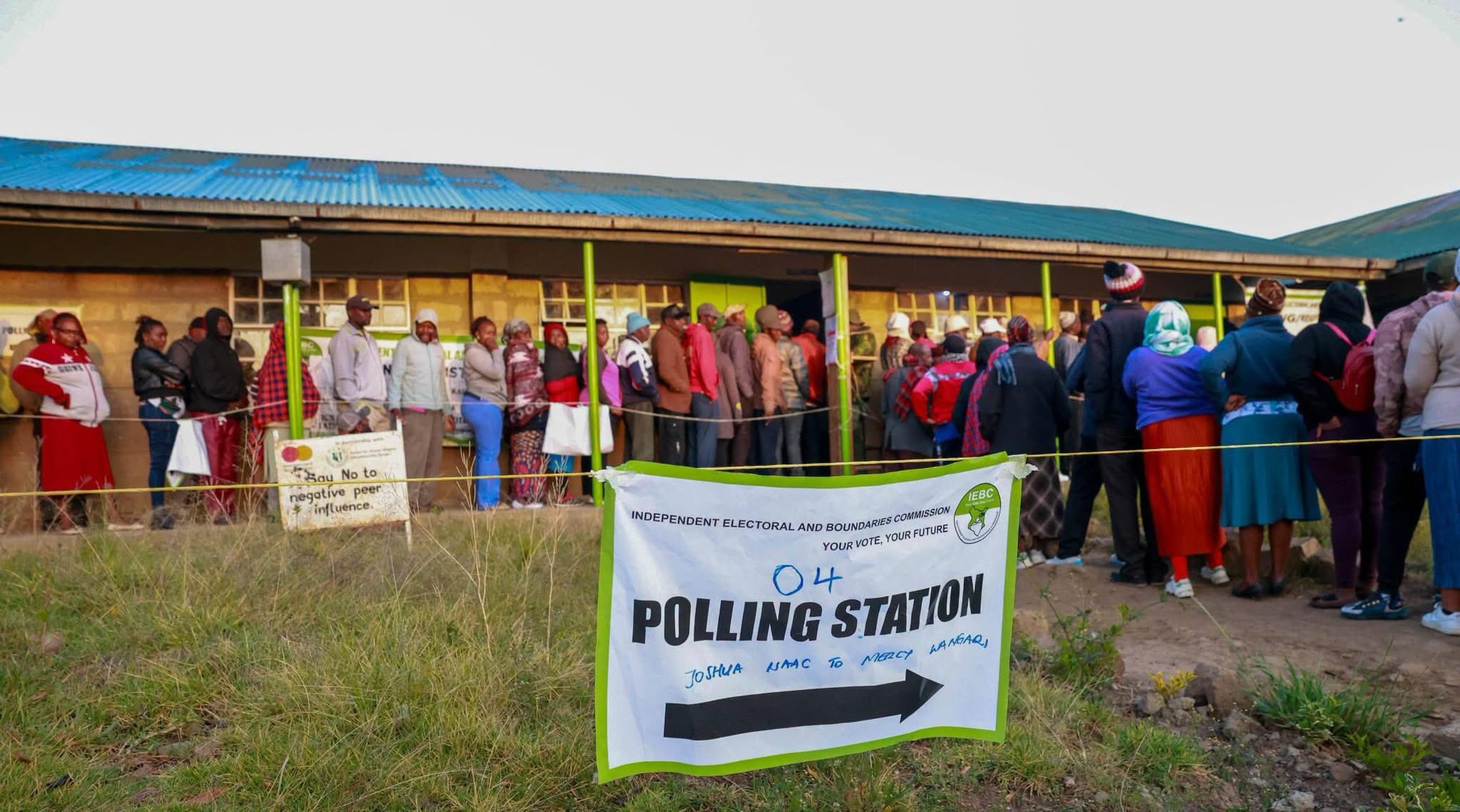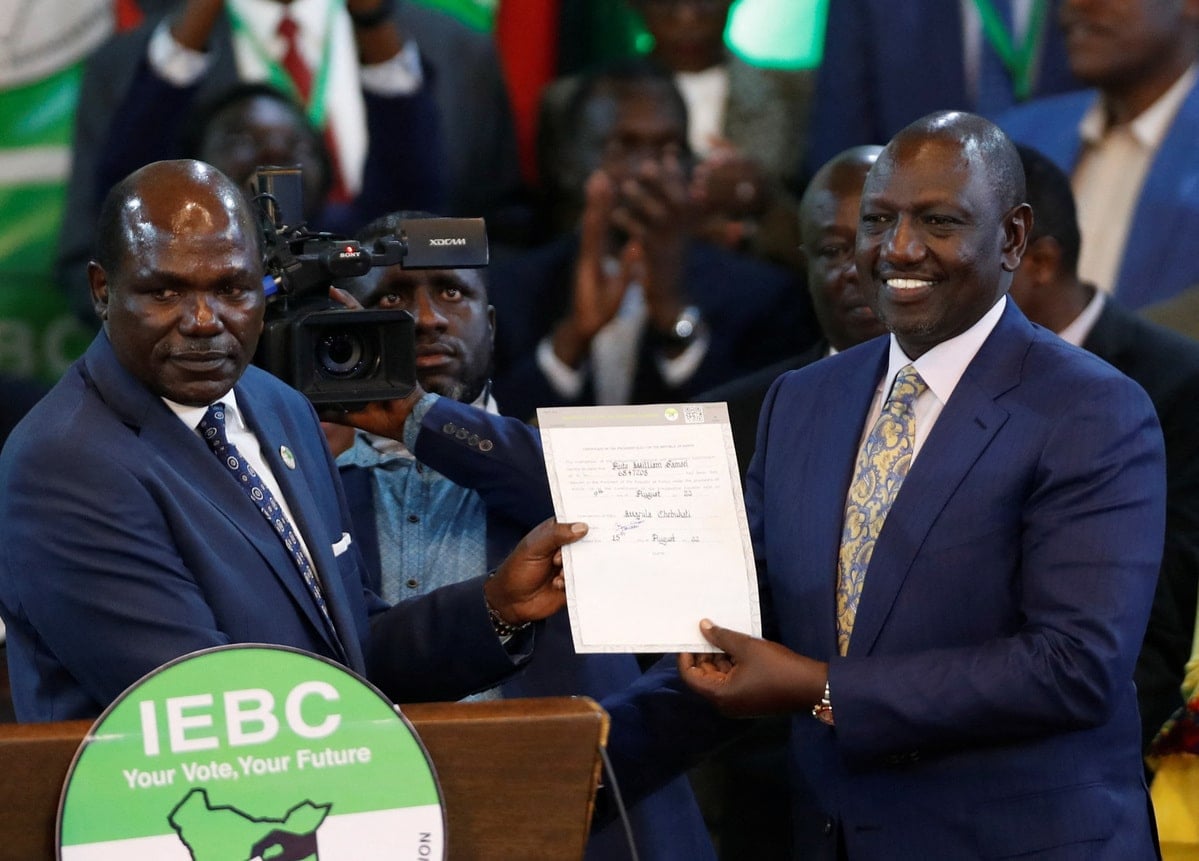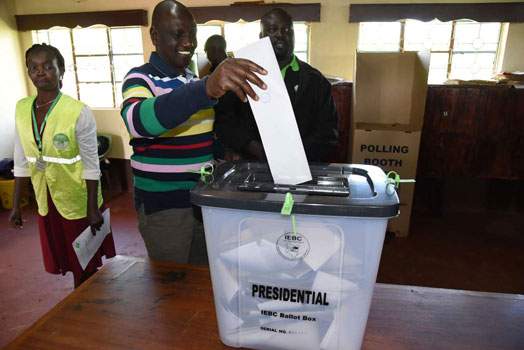
Weeks before the 2022 General Election, the IEBC postponed publishing the final voter register. A preliminary audit had identified 246,465 records belonging to people believed to be dead. After further checks, the commission said it confirmed 92,277 names as belonging to deceased voters and removed them. The final register, published on 20 June, contained 22,120,458 voters.
Those figures invited an easy allegation that dead people would vote. A deceased person’s name on the register does not prove that anyone received a ballot in that name, and biometric identification makes impersonation harder. Even so, IEBC’s eligibility record contained tens of thousands of entries that should have been removed earlier.
The voter register receives less attention than presidential tallying because it produces no dramatic scene at Bomas, yet some of its errors cannot be repaired on polling day. A citizen missing from the register may arrive with an identity card and still be denied a ballot. A wrong transfer can send a voter to another constituency, while an inflated register distorts reported turnout.
IEBC should know that Kenya has paid this price before
The country had already seen the cost of such defects in 2007, when the Kriegler Commission found about 1.2 million deceased people in the register and estimated that roughly one-third of eligible voters had been left out. The register therefore included people who should not have been there while excluding living citizens entitled to vote.
The country changed commissions and introduced biometric registration for the 2013 election. IEBC registered about 14.35 million voters, but its chairman later estimated that approximately three million eligible Kenyans remained unregistered. During the presidential petition, references to the principal register, a special register, and registration green books created disagreement over which list polling stations used. The Supreme Court upheld the result, but the IEBC failed to clearly explain how those records relate.
Also Read: The 2007 Presidential Election No One Could Prove Who Won
Each register entry links a citizen to an identity number, biometric details, constituency, ward, and polling station. Changing one field may alter where that person votes and which local contests appear on the ballot. Although a voter may lawfully request a transfer, unexplained movements involving large numbers near an election allow parties to allege that voters have been imported into selected constituencies or removed from others.

Transfers are already back on the 2027 agenda
Allegations about unusual transfers formed part of the 2022 presidential petition, but the Supreme Court found no evidence of a scheme that affected the result. That judgment does not remove IEBC’s duty to explain transfer patterns before candidates reach court. The seven days allowed for filing a presidential petition leave little time to establish how many voters moved into a constituency, when they applied, and which records authorized the changes.
That question has already returned ahead of 2027. In June 2026, MPs alleged that some voters from Embakasi West had been transferred without their knowledge to Ijara and Balambala in Garissa County. MPs also named Embakasi North, Embakasi Central, Nakuru Town East and North Horr. IEBC responded that unlawful transfers were almost impossible because voters must appear for biometric verification. No published audit has proved the allegations, but denial will not settle them. IEBC should publish anonymized transfer totals by polling station, application date, and approval status so unusual movements can be checked without exposing personal data.
IEBC also depends on records held elsewhere. Civil registration records deaths, while the national registration system issues identity documents. If those systems do not exchange accurate information, IEBC inherits entries it cannot clean through fingerprints alone. An auditor may identify possible duplicates or deceased voters, but the commission must decide which records to remove, retain, or investigate.
Public confidence weakens when an audit reports hundreds of thousands of questionable entries, and IEBC later announces a smaller final number without publishing the reconciliation. Some matches may be wrong, some deaths may lack legal confirmation, and some records may need correction rather than deletion. IEBC should show how many entries fell into each category and what action followed.
Not every dirty name is a stolen vote
Political parties also damage confidence when they describe every deceased name as a fraudulent vote or every transfer into an opponent’s stronghold as manipulation. Those claims confuse three questions: whether a defective entry existed, whether somebody used it to vote, and whether that ballot affected the presidential tally. Proof of the first does not establish the other two.
Before 2027, IEBC should release the register early enough for public scrutiny and correction. Each version should carry a date, total voters by polling station, and a record of additions, removals, and transfers made since the previous version. The commission should publish audit findings by category and report what happened to every category: confirmed and removed, corrected, retained with reasons, or still under investigation. Parties need data they can analyze, while individual voters need a simple way to confirm their polling station and challenge an unauthorized change.
Also Read: IEBC Slapped with Fresh Orders Over 2027 Election Tender
IEBC should also agree with the civil registration and national identification agencies on fixed monthly updates, then publish how many records were matched and corrected. Before certification, an independent audit should test duplicates, deceased persons, missing identifiers and unusual transfers. Its terms of reference, method, findings and IEBC’s response should become public documents, not material released selectively after accusations begin.
Election morning is too late
No register containing millions of records can be perfect. Names will be misspelled, citizens will die after certification, and some voters will move too late for the final update. IEBC need not promise zero errors. But it must show which errors it finds, corrects, or leaves unresolved.
On election morning, the argument becomes painfully individual. A voter either finds the correct name at the correct polling station or does not vote. By then, IEBC official speeches about confidence are useless. The 2027 presidential election will begin long before the first ballot enters a box, in the dated records showing who was added to the register, who was removed, and who authorized every change.
This article was written by George Nyongesa, a lecturer in philosophy and logic at the University of Nairobi and Chuka University.
Follow our WhatsApp Channel and X Account for real-time news updates.