Technology is transforming the world at an unprecedented pace. Artificial intelligence (AI), biotechnology, robotics and digital infrastructure are reshaping economies, public services and international relations. For Africa, these advances offer opportunities to accelerate development, create industries and improve livelihoods. Yet, acquiring technology alone will not guarantee progress. Our success will depend on our ability to mobilise talent, strengthen institutions, attract investment and translate scientific knowledge into practical solutions.
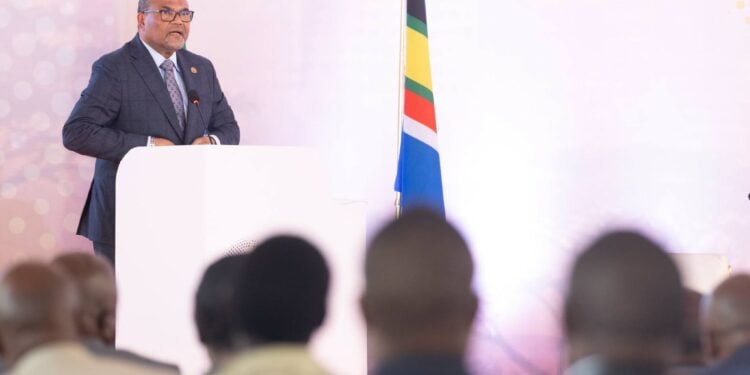
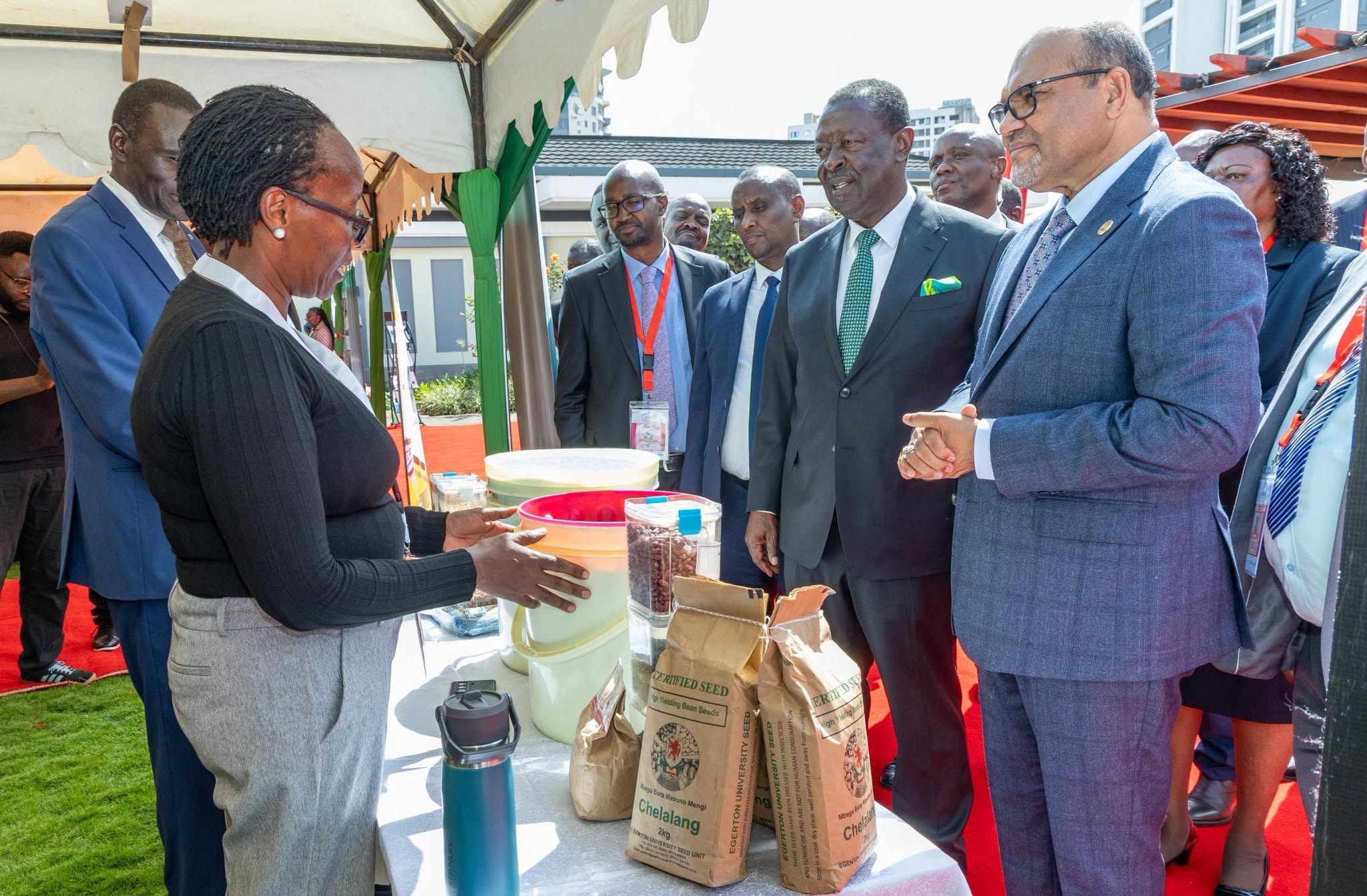
This was a central message in my keynote address at the Africa Technology Leadership Conference 2026 in Nairobi, held under the theme, “From Technology Ambitions to Strategic Advantage: Leveraging Science, Research and Innovation for Diplomacy, Capital and Execution.”
Africa must move beyond celebrating technological possibilities and build the capabilities needed to turn ambition into measurable results. We must not merely adapt to the technological future; we must help shape it.
The scale of the challenge is clear. World Bank data indicate that only 36% of people in Sub-Saharan Africa used the internet in 2025. This highlights the urgency of expanding affordable connectivity, digital infrastructure and skills so that technological progress does not deepen existing inequalities.
For Kenya, the National Artificial Intelligence Strategy 2025–2030 provides an important framework, prioritising AI infrastructure, data, and research, innovation and commercialisation. The task now is to translate these priorities into effective implementation, investment and solutions that improve citizens’ lives.
Prioritising Practical Applications in Africa
Technology must follow clear national priorities. In agriculture, it can improve productivity and climate resilience; in healthcare, it can strengthen diagnosis and service delivery; and in manufacturing, it can increase efficiency and support value addition. Our young people must be equipped not only to use emerging technologies but also to develop, commercialise and govern them responsibly.
Kenya’s agricultural research experience shows what effective science translation can achieve. The International Centre of Insect Physiology and Ecology (ICIPE) reports that its push-pull technology has reached approximately 350,000 farmers across 18 African countries. This illustrates the potential of sustained research, partnerships and practical adoption to improve livelihoods.
Also Read: From Knowledge Sharing to Innovation: A New Chapter in Kenya–UK Science Diplomacy
However, innovation requires more than promising ideas. AI and other frontier technologies raise important questions concerning privacy, cybersecurity, intellectual property, algorithmic bias and equitable access. Ethical standards, transparency, human oversight, and accountability must guide their deployment. Public investment must also deliver value through clear objectives, sustainable financing, effective management and measurable results.
Another critical priority is closing the gap between scientific discovery and commercial or public-sector application. Universities and research institutions generate valuable knowledge, but inadequate financing, limited testing facilities, or weak industry participation can stall promising innovations.
We must build stronger partnerships among government, academia, industry, investors and communities. Government should provide enabling policies and strategic direction; researchers should generate knowledge and talent; industry should identify practical challenges and scale solutions; and investors should provide capital suited to different stages of innovation. This collaboration must connect research and prototyping to certification, production, adoption and commercial success.
Science Diplomacy and Continental Cooperation
Africa’s technological future also depends on cross-border cooperation. Through science diplomacy, countries can share specialised infrastructure, expand research partnerships, mobilise investment and strengthen their collective voice in global technology governance. The African Union’s Science, Technology and Innovation Strategy for Africa 2034 provides a continental framework for advancing joint research, talent development and technological cooperation.
International partnerships must strengthen African capabilities and create shared value. We should engage globally not merely as recipients of technology, but as partners contributing expertise, talent and solutions.
Also Read: Why Science Diplomacy Must Drive the Next Era of Development
Ultimately, we must measure progress through execution. Which technologies have been adopted? Which enterprises have attracted investment? Which public services have improved? How many young innovators have gained meaningful opportunities? What benefits have reached communities?
Africa possesses considerable scientific talent, entrepreneurial energy and development potential. Connecting these assets to effective institutions, appropriate financing and disciplined implementation will determine whether technological ambition becomes a genuine competitive advantage.
Our objective must be an Africa that does not merely consume technological advances, but creates, adapts, governs and scales innovations that address its development challenges and contribute to global progress. That is how science, research and innovation can deliver sustainable transformation.
This article was written by Prof. Shaukat Abdulrazak, Principal Secretary, Science, Research and Innovation. Email: [email protected].
Follow our WhatsApp Channel and X Account for real-time news updates and our YouTube Channel for in-depth interviews.