


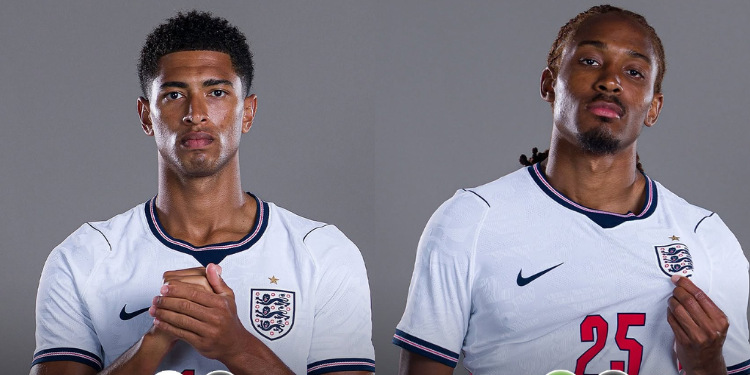
Several England National Team players have ties to other countries and are therefore eligible to play for those countries under FIFA rules on dual citizenship.
Real Madrid midfielder Jude Bellingham and Tottenham Hotspur defender Djed Spence have links to Kenya and Jamaica.
According to FIFA eligibility rules, players are allowed to represent a country if they meet at least one of several criteria, including being born in the country, having a parent or grandparent born there, or holding citizenship through residency.
Bellingham and Djed Spence’s Kenyan Family Links
Jude Bellingham, an England and Real Madrid midfielder, has a maternal connection to Kenya through his mother, Denise Bellingham, and a paternal connection to Ireland.
Also Read: How to Watch the 2026 FIFA World Cup in Kenya: Full TV and Streaming Guide
Denise Bellingham is a British national with family heritage that includes Kenyan roots.
Since he was 15 years old, he has supported Miche Bora School in Mombasa, a project run through the Mustard Seed Project. Bellingham contributed funding to classroom construction and school development, including donations of books and sports kits.
Bellingham’s father, Mark Bellingham, who separated from Denise Bellingham, has dual British and Irish citizenship.
Tottenham Hotspur defender Djed Spence also has links to other nationalities, including Kenya and Jamaica.
Spence was born in London, England, and is eligible to play for Jamaica and Kenya due to his parents’ backgrounds.
His father, Simon Spence, is Jamaican with English nationality, while his mother, Aisha Spence, has Kenyan and English citizenship.
Other England Players with other nationality links include:
| Player | Country eligible for |
|---|---|
| Bukayo Saka | Nigeria |
| Raheem Sterling | Jamaica |
| Jadon Sancho | Trinidad and Tobago |
| Kalvin Phillips | Jamaica |
| Reece James | Grenada, Dominica |
| Mason Mount | Ireland |
| Eberechi Eze | Nigeria |
| Fikayo Tomori | Nigeria |
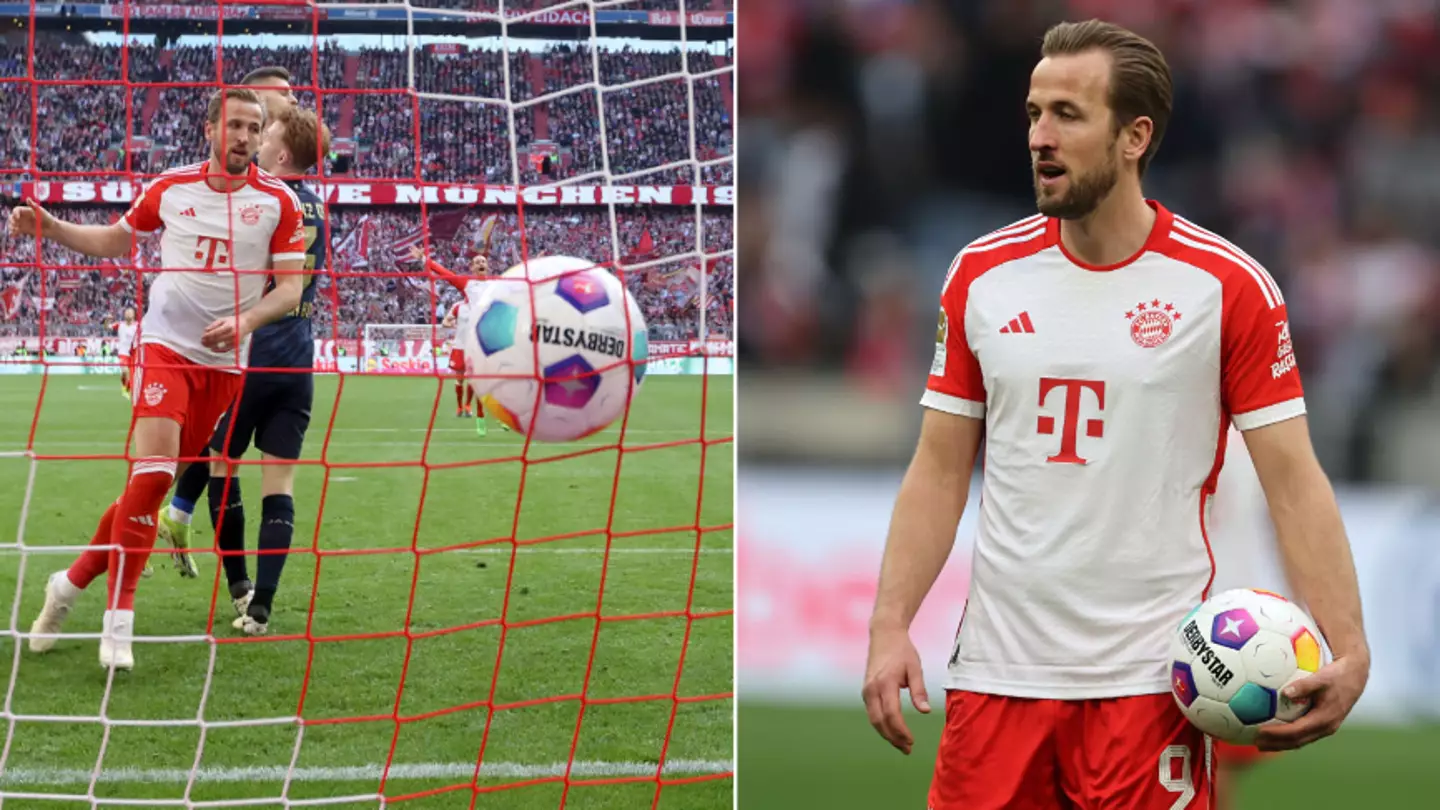
| Harry Kane | Ireland |
| Marcus Rashford | Jamaica, Saint Kitts and Nevis |
| Declan Rice | Republic of Ireland, England |
| Ezri Konsa | DR Congo, Angola, Portugal |
| Jarell Quansah | Scotland, Ghana, Barbados |
| Anthony Gordon | Ireland, Scotland |
| Noni Madueke | Nigeria |
| Ivan Toney | Jamaica |
| Ollie Watkins | Jamaica |
| Morgan Rogers | Jamaica |
| Elliot Anderson | Scotland |
| Kobbie Mainoo | Ghana |
| Nico O’Reilly | Jamaica |
FIFA Eligibility Rules on Dual Nationality
FIFA allows a player with dual nationality to represent one of the countries whose nationality they hold, as long as they meet eligibility requirements.
Also Read: List of Players Representing African Countries in 2026 World Cup Despite Their European Roots
The rules include:
A person holding a permanent nationality that is not dependent on residence in a certain country is eligible to play for the representative teams of the association of that country.
A player who is eligible for more than one association because of nationality may play for one of those associations only if they meet requirements including:
- They were born in the country
- Their biological mother or biological father was born in the respective country
- Their grandmother or grandfather was born in the country and they they have lived continuously in the country for at least two years
If a player has more than one nationality, or acquires a new nationality, they may request a one-time change of association, subject to conditions
They have not played a match, in full or in part, in an official competition an international level for their current association, and they already had the nationality of the team they want to represent. The player is not allowed to play for the new country in any competition in which they have already played for the previous country.
Follow our WhatsApp Channel and X Account for real-time news updates.
I love to know more abour football players