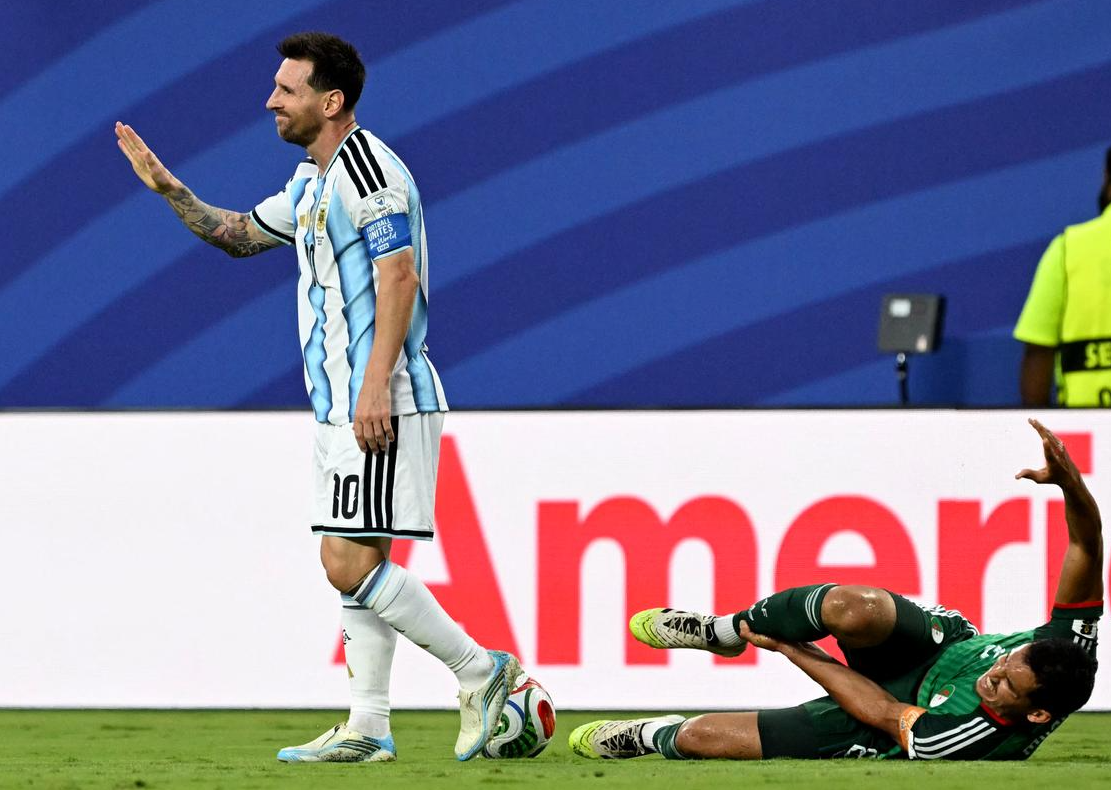
Lionel Messi’s latest World Cup hat-trick is being eclipsed by a refereeing storm, after Algeria lodged a formal complaint to FIFA over the officials’ handling of their 3–0 defeat to Argentina. The controversy has thrown fresh doubt on the consistency of VAR and raised uncomfortable questions about whether the game’s biggest stars are refereed differently on football’s biggest stage.
At the heart of the dispute is a first-half studs-up challenge by Messi on Algeria captain Aïssa Mandi and a later clash involving Alexis Mac Allister, both of which Algeria say should have resulted in red cards. FIFA is now under pressure from across the football world to explain how those incidents escaped the harshest sanctions in an era of slow-motion replays and centralized VAR hubs. For African fans and federations, however, the row also reopens an old wound: the sense that when global superstars face African sides, the margins of refereeing error tend to cut only one way.
A global storm over one tackle
On paper, the match in Kansas City looked straightforward. Argentina opened their World Cup campaign with a comfortable 3–0 win, Messi helping himself to yet another hat-trick and edging closer to outright ownership of the all-time World Cup scoring record. For neutral spectators, it was meant to be another chapter in the legend of the 39-year-old captain.
Instead, the enduring image of the night is not a goal but a challenge. Midway through the first half, Messi contested a loose ball with Mandi and appeared to catch the defender low on the leg with his studs. Algeria were awarded a free-kick, but the referee kept his cards in his pocket. To the disbelief of many watching, the video assistant referees did not recommend an on-field review.
In recent seasons, similar studs-up contact on the lower leg or Achilles has routinely drawn straight red cards in elite European leagues and past World Cups. That is why Algeria’s complaint – and the global reaction – has focused less on the foul itself and more on the decision-making chain that allowed it to pass with barely a sanction.
What Algeria is alleging
“We are not saying Argentina are not a great team,” one FAF official was quoted as saying. “But we cannot remain silent in the face of what we see as clear injustice.” That line captures the balance Algeria is trying to strike: acknowledging the opponents’ quality, while arguing that the competitive conditions of a World Cup match were distorted by avoidable refereeing errors.
Also Read: Messi Leads Mbappé in 2026 Golden Boot Race… But Can He Hold On as Stars Chase History?
Realistically, Algeria knows FIFA will not order a replay or overturn the 3–0 score line. Football’s governing body has long resisted changing match results on refereeing grounds alone. What FAF is demanding instead is accountability: a formal review of the referee and VAR crew, an explanation of why the incidents did not trigger full checks, and consequences if the decisions are found wanting.
Laws of the Game and the VAR question
African Memory of Marginal Calls
Why this matters beyond Algiers and Buenos Aires
For FIFA, the stakes are high. The organization has invested heavily in promoting VAR as a tool to make elite football fairer and more predictable. Each high-profile controversy erodes that promise. If the perception takes hold that certain players or teams benefit from softer interpretation – whether consciously or subconsciously – then the legitimacy of the entire system is called into question.
For African federations, Algeria’s move could be a bellwether. If FAF’s complaint forces greater clarity about VAR protocols, tighter refereeing standards, or increased inclusive selection of officials, other associations may see formal protest not as futile grandstanding but as a necessary form of pressure.
And for ordinary fans following the World Cup from living rooms and fan parks, the question is as simple as it is universal: when the stakes are this high, can the rules be trusted to apply to everyone equally – even when the name on the back of the shirt is Lionel Messi?