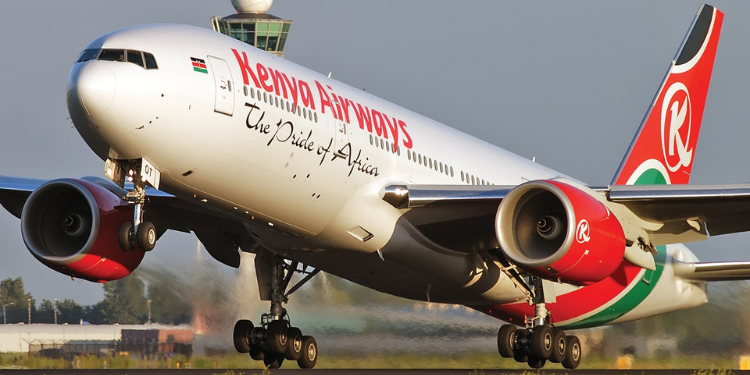
Kenya Airways is among the airlines affected after a technical failure in the United Kingdom’s air traffic control system disrupted operations at major airports, including London Heathrow.
More than 1,000 flights were cancelled across the UK on September 8, while hundreds more were delayed, leaving airlines scrambling to reposition aircraft and crews.
The disruption was caused by a problem with the UK’s National Air Traffic Services (NATS) flight-processing system.
KQ100 Diverted as KQ101 Cancelled
According to flight-tracking records, KQ101 was scheduled to leave Heathrow at 6:45 pm and arrive at Jomo Kenyatta International Airport at 5:35 am on September 9.
The service was subsequently listed as cancelled, leaving passengers booked on the flight affected by the disruption.
The airline’s Nairobi-London service, KQ100, was also disrupted. The flight did not operate normally into Heathrow. It was diverted to Paris Charles de Gaulle before continuing to London, as the UK air traffic control restrictions affected arrivals into Heathrow.
Also Read: Kenya Airways Announces Further Flight Delays After End of Strike
The disruption at Heathrow was severe enough that the airport suspended arrivals for the rest of Tuesday, although departures later resumed. Heathrow warned passengers that disruption would continue as airlines worked to clear the backlog.
The cancellation of KQ101 also had a knock-on effect on Kenya Airways’ tightly scheduled London operation, where aircraft, crews and passengers depend on the normal rotation between Nairobi and Heathrow.
NATS said that although its technical problem had been resolved, recovery was complex and had created difficulties across the wider aviation network
What Caused the UK Flight Disruption?
The disruption stemmed from a technical problem affecting NATS’ flight data-processing system, rather than bad weather or an issue with individual airlines.
NATS manages air traffic across UK airspace. Its systems process flight information and help controllers coordinate aircraft movements.
When the system developed the fault on Tuesday afternoon, the capacity to handle flights was significantly reduced, forcing airports and airlines to slow or restrict operations.
The problem began at around 1 pm and affected operations at several major airports, including Heathrow, Gatwick, Manchester and Stansted.
NATS later confirmed that the technical problem had been resolved but warned that recovery would take time because the disruption had created difficulties across the wider aviation network.
NATS said safety was not compromised during the incident. However, the failure caused widespread disruption because aviation networks operate on tightly connected schedules. When aircraft are delayed at one airport, crews and planes can end up in the wrong locations for their next scheduled flights.
British Airways, Ryanair and easyJet Among Airlines Hit
The disruption affected numerous airlines operating through UK airports.
British Airways was among the hardest-hit carriers at Heathrow, cancelling or diverting more than 100 flights and warning passengers of significant knock-on effects.
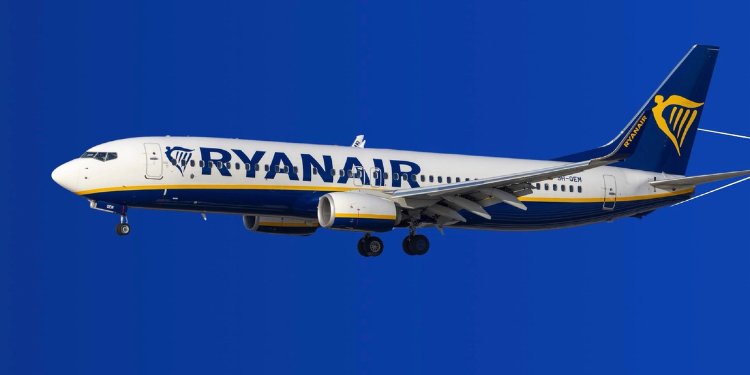
Ryanair said about 150,000 passengers were affected by delays of up to eight hours and that it cancelled more than 200 flights.
easyJet also reported widespread disruption, while Wizz Air called for reforms to the UK’s air traffic control system.
Flight-tracking data showed about 1,300 flights to and from UK airports were cancelled on Tuesday, with another 177 flights already cancelled for Wednesday, nearly all at Heathrow.
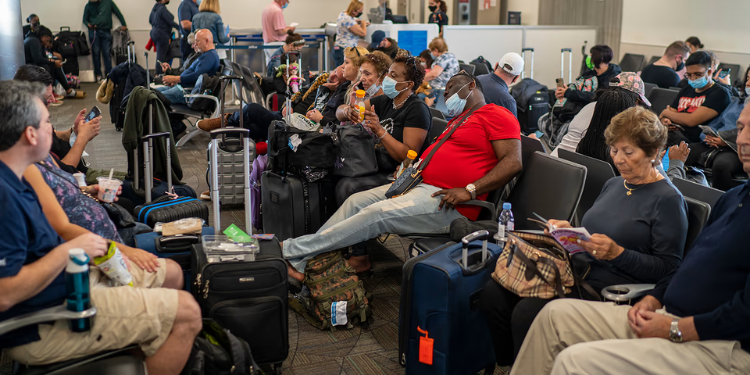
The disruption also extended beyond the UK as airlines struggled to reposition aircraft and crews. Some flights bound for Britain were held at their departure airports to avoid adding to congestion, while others were delayed or diverted.
Follow our WhatsApp Channel and X Account for real-time news updates.