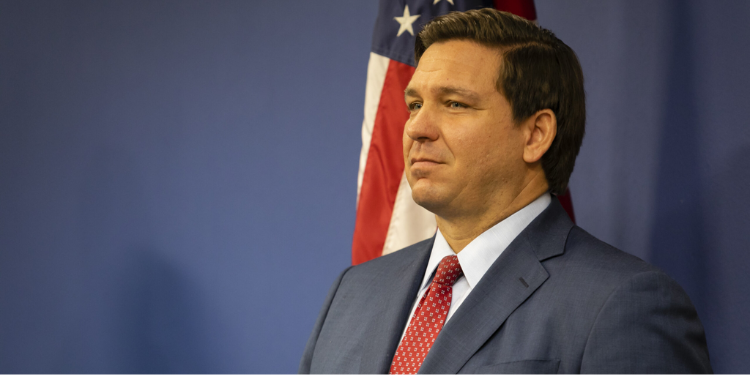
Florida Governor Ron DeSantis has signed House Bill 1471 into law, enacting a wide‑ranging statute that bars state courts and adjudicative bodies from applying foreign or religious legal codes, including Sharia law, when such application would conflict with the U.S. or Florida constitutions.
The bill was signed on April 6, during a public ceremony at the University of South Florida in Tampa, and is scheduled to take effect on July 1, 2026.
HB 1471, formally titled Systems of Law and Terrorist Organizations, establishes that Florida courts, administrative judges, arbitrators, and tribunals may not enforce any part of a foreign or religious legal system if doing so would infringe on constitutional rights guaranteed under state or federal law.
The statute explicitly defines “religious law” as any formal legal system associated with a religion and specifically names Sharia law as part of that definition.
“Foreign law” is defined as the legal code of a foreign nation or international organization.
DeSantis Bars Courts From Applying Outside Legal Frameworks
At the signing ceremony, DeSantis stated that the measure was created to ensure no legal framework overrides constitutional protections in Florida.
He said the bill closes what he describes as legal loopholes that could enable courts or educational institutions to rely on outside legal systems incompatible with American law.
Also Read: Trump Reveals Why He Has Not Yet Taken All of Iran’s Oil
Beyond court procedures, the law greatly broadens Florida’s power to recognize, designate, and penalize domestic and foreign terrorist organizations.
It authorizes the state’s Chief of Domestic Security, who is part of the Florida Department of Law Enforcement, to recommend terrorist designations, subject to approval by the governor and Cabinet.
Once designated, organizations can face asset freezes, dissolution, and criminal penalties for members or supporters who provide material support.
The law increases criminal penalties for individuals who knowingly fund, train with, or materially support a designated terrorist organization.
Providing military training, weapons, or financial assistance to such groups now counts as a felony under state law.
Individuals who join a designated organization with the intent to engage in violence may also face prosecution.
Education System Faces New Funding and Conduct Restrictions
HB 1471 also introduces new restrictions throughout Florida’s education system.
Also Read: Israeli Military Destroys Iranian Aircraft at Three Tehran Airports
Schools, colleges, and universities are prohibited from using public funds to support or affiliate with organizations labeled as terrorist groups.
Students found to have promoted or supported designated organizations during a term of enrollment may be expelled and rendered ineligible for grants, scholarships or fee waivers funded by the state.
Private schools participating in Florida’s state-funded scholarship and voucher programs must certify that they do not affiliate with or promote organizations designated under the law.
State education authorities are authorized to withhold funding from institutions that violate these provisions.
Supporters of the law argue that it enhances public safety, safeguards constitutional governance, and prevents taxpayer funds from being used to promote extremist ideologies.
Republican lawmakers who supported the measure said it offers a statutory framework that reinforces actions already carried out by the administration through executive authority.
However, civil rights organizations, including the American Civil Liberties Union of Florida and the Council on American‑Islamic Relations‑Florida, have sharply criticized the law, warning that it could infringe on free speech, due process and religious freedom.
CAIR‑Florida has announced legal action challenging earlier terrorist designations, calling them unconstitutional and discriminatory.
Free speech advocates have also expressed concerns that the law’s language, especially the definition of “promotion” of a terrorist organization, is too broad and could suppress campus speech or activism.
They warn that the statute grants extensive powers to executive officials with little transparency or judicial oversight.
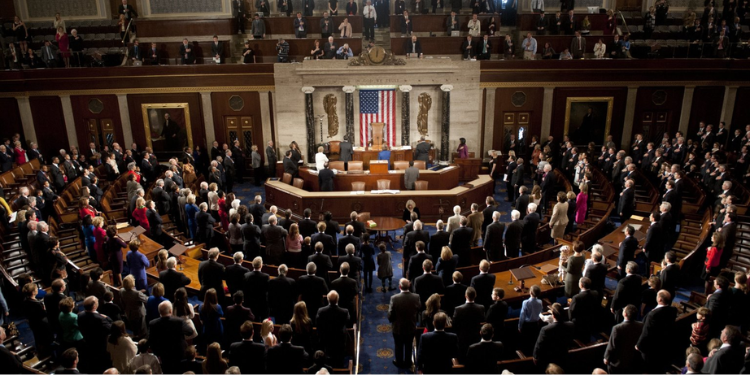
Despite opposition, the bill passed the Florida House and Senate largely along party lines before being signed into law.
DeSantis has framed HB 1471 as part of a broader effort to assert state authority, combat extremism, and reshape Florida’s legal and education systems under his administration.