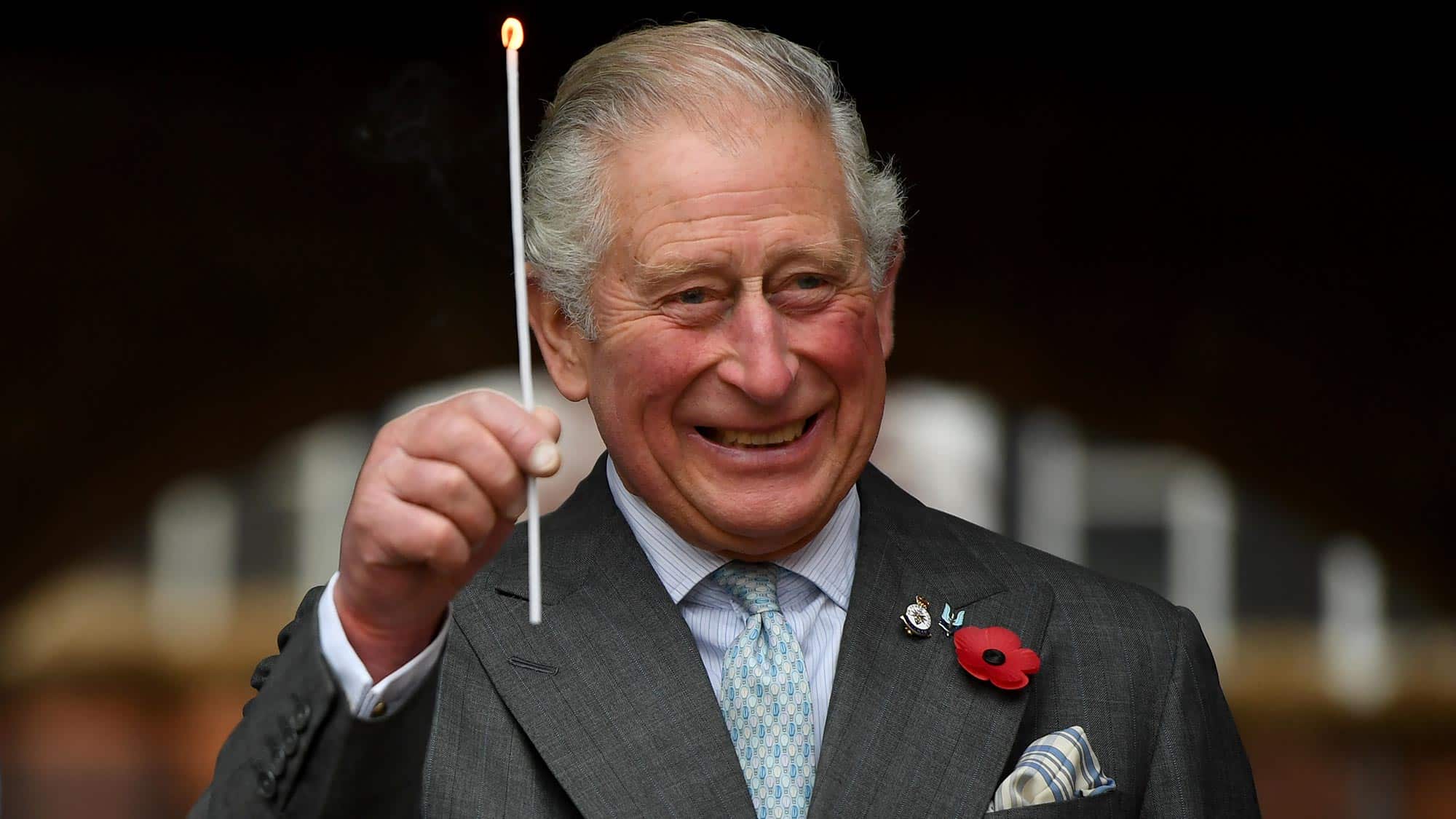
King Charles III presented President Donald Trump with the original brass bell from the Royal Navy submarine HMS Trump during a state dinner at the White House on April 28, 2026.
The gift came as part of the British monarch’s four-day state visit to the United States, which marked 250 years since American independence.
The bell, which once hung on the conning tower of the submarine, bears the inscription “TRUMP 1944,” the year the vessel was launched. King Charles made the presentation during his toast at the white-tie dinner hosted by President Trump and First Lady Melania Trump.
The Submarine Behind the Gift
HMS Trump was a British T-class submarine built during World War II. It entered service in 1944 and operated in the Pacific theater in the final stages of the war, where it sank several Japanese ships.
After the war, the submarine continued in Royal Navy service for decades and spent more than 20 years attached to the Fourth Submarine Squadron in Australia. It was decommissioned in 1971.
The name of the submarine has no connection to the Trump family. It followed standard Royal Navy naming practices for the T-class boats. The bell itself is a traditional naval artifact. Submarine crews used such bells for signaling and timekeeping.
King Charles described the submarine as having played “a critical role during the war in the Pacific” and referred to it as “your valiant namesake.” He told President Trump the bell was a personal gift.
Other Gifts Exchanged
The HMS Trump bell was one of several items exchanged between the two leaders. King Charles also gave President Trump a framed, high-quality reproduction of the 1879 design plans for the Resolute Desk, the famous Oval Office desk made from timbers of the British ship HMS Resolute and presented to President Rutherford B. Hayes by Queen Victoria in 1880.
The original plans are held by the National Maritime Museum in London.
Also Read: King Charles Draws Bipartisan Ovations in Congress as Trump Reacts in Disbelief
President Trump gave King Charles a custom copy of a 1785 letter from John Adams, then the U.S. minister to Britain, to John Jay. The letter described Adams’ meeting with King George III and expressed hopes for restored friendship between the two nations after the American Revolution.
Queen Camilla gave First Lady Melania Trump a brooch designed by British artist Fiona Rae. In return, Melania Trump gave Queen Camilla a set of six Tiffany & Co. sterling silver teaspoons engraved with the queen’s royal cipher, along with White House honey.
Why This Matters
The gift of the HMS Trump bell serves as a concrete symbol of the long military and diplomatic partnership between the United States and the United Kingdom.
By selecting an artifact from a vessel that fought alongside American forces in the Pacific during World War II, King Charles pointed to shared sacrifices in a major conflict.
The presentation occurred days after the king addressed a joint session of Congress, where he spoke about the importance of the transatlantic alliance.
Also Read: Did King Charles Take Aim at Trump? Democrat Points to ‘Coded’ Congress Speech
The choice also carried a practical diplomatic tone. During the toast, King Charles added a brief remark: “Should you ever need to get hold of us, just give us a ring.” The line drew on the literal function of a ship’s bell while underscoring the expectation of continued close contact between the two governments.
State visits between the U.S. and U.K. routinely include gifts that reference naval history or earlier moments of reconciliation, such as the Resolute Desk. The HMS Trump bell fits this pattern.
It links a World War II fighting ship to the current leaders without relying on abstract language. At a time when both countries face common security challenges, including defense cooperation under agreements such as AUKUS, the gift reinforces the operational history behind the alliance rather than creating new commitments.
The exchange took place amid standard protocol for such visits. No policy announcements accompanied the bell. Its value lies in its direct reference to joint wartime effort and the continuity of relations between the two nations.