Iran has raised fresh nuclear concerns after a lawmaker signaled that Tehran could increase uranium enrichment to 90 percent if it comes under another attack by the United States (US) and Israel.
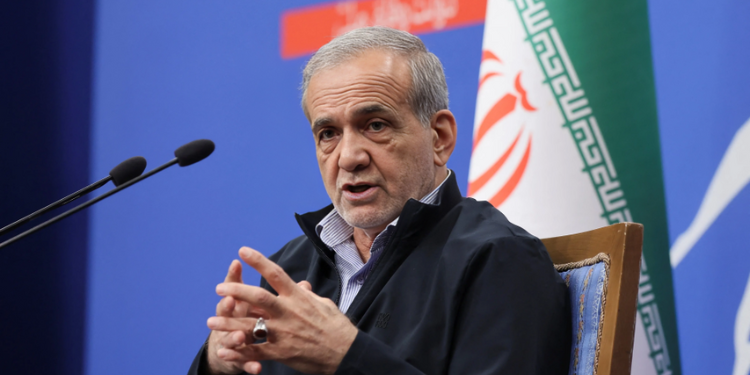
Iranian Parliamentary Commission spokesperson Ebrahim Rezaei said the move is among the options being considered in response to any future military action against the country.
He made the remarks in a post on X on May 12, adding that the matter would be discussed in parliament before any final decision is made.
“One of Iran’s options in the event of another attack could be 90 percent enrichment. We will review it in the parliament,” read Ebrahim Rezaei’s post.
Iran has maintained that its nuclear program is for peaceful purposes, including energy and medical use.
However, the possibility of enriching uranium to 90 percent has raised alarm among global powers, as such levels are widely considered suitable for nuclear weapons.
Growing Fears Over Iran’s Nuclear Escalation
The latest statement is likely to heighten tensions with the United States and Israel, both of which have repeatedly said they will not allow Iran to obtain nuclear weapons.
Uranium enriched to 90 percent purity is considered weapons-grade, meaning it can be used in the production of nuclear bombs.
Also Read: Soldiers Jailed After Placing Cigarette in Mouth of Virgin Mary Statue
Iran currently enriches uranium to lower levels, though it has in the past increased enrichment during periods of heightened confrontation.
President Donald Trump’s administration has maintained that it prefers a diplomatic solution to the nuclear issue but has not ruled out other options if talks fail.
Israel, on the other hand, has been more vocal about the possibility of taking military action to stop Iran’s nuclear programme.
Efforts to revive negotiations over Iran’s nuclear programme have faced repeated setbacks, leaving uncertainty about the future direction of the dispute.
The original 2015 nuclear deal, known as the Joint Comprehensive Plan of Action (JCPOA), placed strict limits on Iran’s nuclear activities in exchange for sanctions relief.
However, the agreement began to unravel after the United States withdrew in 2018 and reimposed sanctions.
Since then, Iran has gradually rolled back its commitments under the deal, including increasing uranium enrichment and limiting international inspections.
Why US–Iran Talks Are Failing in May
US–Iran talks are failing in May 2026 due to sharp disagreements over security, nuclear policy, and regional control.
Also Read: Netanyahu Moves to Split with US as Iran Crisis Sends Oil Prices Soaring
The immediate trigger is Iran’s three‑phase peace proposal, which Washington has rejected as unacceptable.
Iran is demanding a guaranteed end to the war across multiple fronts, including involvement of allied groups, as well as binding assurances that attacks will not resume, preferably backed by the United Nations Security Council.
These conditions are seen as unrealistic for the United States to guarantee.
Control of the Strait of Hormuz has become a major sticking point.
Iran wants to retain influence over the waterway even after a deal, reflecting what it says is a changed strategic environment.
The US has rejected this, insisting no country can dominate an international shipping route critical to global energy flows.
The nuclear dispute remains central, as Washington is pushing for Iran to freeze uranium enrichment and hand over stockpiles enriched to high levels.
Iran has refused to dismantle its nuclear facilities or export enriched uranium, rejecting core US demands.
Economic issues further complicate talks. Iran is demanding sanctions relief, release of frozen assets, and an end to what it calls US economic pressure.
The US has linked such relief to nuclear concessions, creating a deadlock.
Underlying all issues is deep mistrust, worsened by recent conflict and past US military actions during negotiations.
Both sides now maintain positions that leave little room for compromise, keeping talks stalled.