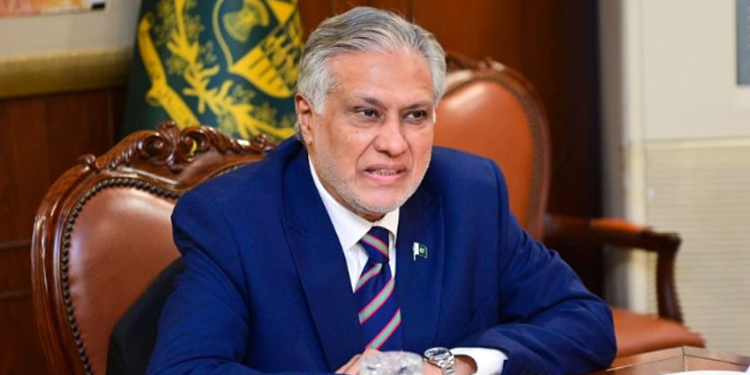

The United States (U.S) and Iran are likely to return to Pakistan next week for a second round of peace negotiations aimed at ending their ongoing war, according to two senior Pakistani officials familiar with the discussions.
The talks would mark a renewed diplomatic push after last weekend’s negotiations in Islamabad collapsed without a deal.
White House press secretary Karoline Leavitt said on Wednesday, April 15, that discussions are ongoing and expressed cautious optimism about the prospects of an agreement, although she stressed that the next round of in‑person talks has not yet been formally scheduled.
Leavitt added that if talks do proceed, they would “very likely” take place again in Islamabad, where Pakistan has been acting as the principal intermediary between Washington and Tehran.
Possible Renewed U.S.–Iran Peace Talks
The possible resumption of talks comes against the backdrop of a fragile two‑week ceasefire that remains under strain.
Tensions in the Persian Gulf remain high, with oil tanker traffic through the Strait of Hormuz still extremely limited.
The U.S is enforcing a retaliatory blockade of Iranian ports, a move announced by President Donald Trump after he said Iran had failed to reopen the vital shipping route as expected.
On Wednesday, April 15, Iranian state news outlet Fars reported that Tehran had suspended all petrochemical exports until further notice, a decision likely to deepen economic pressure as maritime trade remains heavily restricted by the U.S. blockade.
Also Read: Xi Jinping Sets Out China’s Rules for Middle East Stability
U.S. Vice President JD Vance, who led the American delegation alongside special envoys Steve Witkoff and Jared Kushner, participated in a marathon 21‑hour negotiation session in Islamabad last weekend.
Those talks ended without an agreement, with both sides blaming each other for shifting positions and unresolved disputes, including Iran’s nuclear ambitions and security in the Strait of Hormuz.
Despite the lack of a breakthrough, the White House has rejected claims that it has requested an extension of the current ceasefire, which is set to expire next Tuesday.
A senior U.S. official told CNBC that there is continued engagement with Iran but confirmed that no formal agreement to extend the ceasefire has been reached.
Iranian Terms for Peace Deal
Iran has anchored its negotiating position around a formal 10‑point proposal conveyed to the U.S through Pakistani mediators, insisting that any permanent peace settlement must address security, sovereignty, and economic relief simultaneously.
Central to Tehran’s terms is the lifting of all primary and secondary U.S. sanctions, which Iranian officials argue are incompatible with any lasting ceasefire or reconstruction effort after weeks of sustained military strikes.
Also Read: Ukraine Set for Fresh $60bn NATO Boost Alongside €90bn EU Loan
Iran is also demanding the release of billions of dollars in frozen overseas assets and the removal of restrictions on its oil and petrochemical exports.
Senior Iranian officials say economic normalization must be guaranteed up front, not contingent on future compliance, reflecting Iran’s distrust of past agreements that it says the U.S. abandoned or diluted.
Iran’s proposal allows international shipping to resume but under Iranian military oversight, with Tehran retaining authority to regulate traffic and, in some versions of the plan, charge transit fees in coordination with Oman.
Iranian leaders argue that control of the strait is a sovereign right and a critical security buffer after sustained U.S. and Israeli attacks.
On nuclear policy, Iran insists on formal recognition of its right to uranium enrichment for civilian purposes.
Tehran has rejected U.S. demands for a zero‑enrichment policy, dismantling of facilities, or the removal of enriched uranium stockpiles, calling those conditions a de facto surrender.
Iranian negotiators have framed enrichment as non‑negotiable, even while signaling openness to transparency or monitoring frameworks.
Iran is also seeking a binding United Nations Security Council resolution to ensure the deal’s implementation and prevent unilateral withdrawal.
Additional conditions include an end to attacks on Iran and allied forces, U.S. military disengagement from the region, and provisions for post‑war reconstruction and reparations.
Tehran has made clear that without written, enforceable guarantees on these points, it will not agree to a permanent end to hostilities.