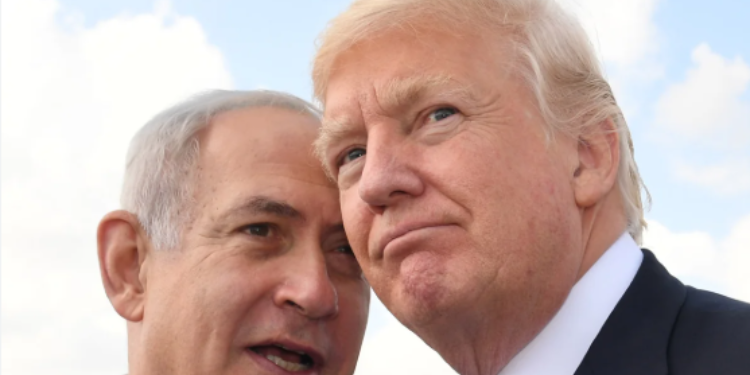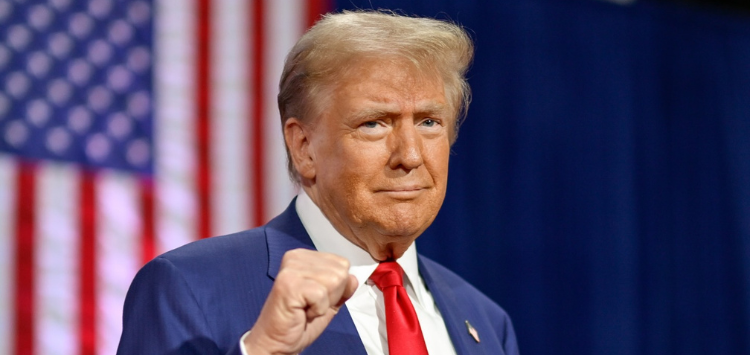
Tensions between the United States and Israel have intensified following new leaks suggesting that President Donald Trump betrayed Benjamin Netanyahu by sidelining him during the final stages of negotiations for a temporary ceasefire with Iran.
The Wall Street Journal reported on Wednesday that Israel was not informed of the United States plan to reach a temporary two-week ceasefire agreement with Iran until the deal was in its late stages of finalization. Israeli officials were displeased with their exclusion from the decision-making process.
The report stated that the extent of Israel’s involvement was a phone call the US President made to Prime Minister Benjamin Netanyahu shortly before the ceasefire was announced. The Wall Street Journal cited a US official as stating this fact.
Lebanon Inclusion Sparks Dispute
Mediators involved in the truce told the Wall Street Journal that Israeli officials were unhappy with the terms of the agreement, including reports that Lebanon would be included in the deal.
Israeli forces carried out a wave of airstrikes across Lebanon on Wednesday, hours after the US-Iran ceasefire was announced. Lebanon’s Civil Defence reported that the attacks killed at least 254 people and wounded more than 1,165 others.
The strikes hit over 100 sites in 10 minutes, including areas in Beirut and the south, according to reports from Al Jazeera and The Guardian. The timing came after Israel was kept out of late-stage US-Iran talks, as detailed in the Wall Street Journal.
Officials in Jerusalem have linked the operation to unresolved threats from Hezbollah, with the US decision to inform Netanyahu about the ceasefire at the last minute appearing to many in Israel as a betrayal that forced unilateral action on the northern front.
Pakistani Prime Minister Shehbaz Sharif, who helped negotiate the ceasefire, initially announced that Lebanon would be included early on Wednesday. Both Netanyahu and Trump disputed the claim.
Also Read: Trump and Netanyahu’s Secret Agreement That May Force Iran to Re‑close Strait of Hormuz
Trump asserted during a conversation with PBS News reporter Liz Landers that Lebanon was not included due to Hezbollah.
Criticism Mounts in Israel’s Netanyahu
Israeli officials sharply criticized the ceasefire deal and Israel’s exclusion from the truce discussions. They also criticized Trump’s willingness to back down from threats he made against the Iranian regime. The deal came after months of conflict between Israel, the United States and Iran.
Opposition leader Yair Lapid decried the deal as a political disaster. He asserted that Netanyahu “failed politically, failed strategically, and didn’t meet a single one of the goals that he himself set.”
“Israel wasn’t even part of the discussions when decisions were made concerning our national security,” Lapid said. “It will take us years to repair the political and strategic damage that Netanyahu created due to arrogance, negligence, and a lack of strategic planning.”
MK Zvika Fogel, the chair of the Knesset’s National Security Committee and a member of the far-right Otzma Yehudit party, claimed Trump “really wimped out” by taking the deal.
Also Read: Netanyahu Mourns Troops as Israel Signals Need for More Forces in Lebanon
Israeli officials had expected closer coordination with the United States on any agreement that affected the region. The phone call from Trump came hours before the public announcement. No other earlier direct contact between Israeli and US teams has been mentioned.
Pakistani Prime Minister Sharif’s early statement about Lebanon caused confusion. Netanyahu and Trump both pushed back against it within hours. Trump’s comment to the PBS reporter made clear that Hezbollah’s presence ruled out Lebanon’s inclusion. Israeli sources cited in the report said the terms left key security issues unresolved.
The criticism from Lapid and Fogel reflected wider frustration inside Israel. Lapid’s statement focused on the long-term effects of the exclusion. Fogel’s comment targeted Trump’s decision directly.
The new leaks from the Wall Street Journal have shown the limited role Israel played in the final talks. This has increased tension between the two allies at a time when security decisions affect the entire region.
The dispute over Lebanon and the public criticism from Israeli leaders have added to questions about how the ceasefire was reached and what it means for future coordination.