A reported secret understanding between Donald Trump and Benjamin Netanyahu is raising fresh concerns over tensions with Iran, with warnings that it could impact the stability of the Strait of Hormuz.
The alleged arrangement is said to influence ongoing military and diplomatic moves in the region, potentially pressuring Tehran amid the fragile ceasefire framework.
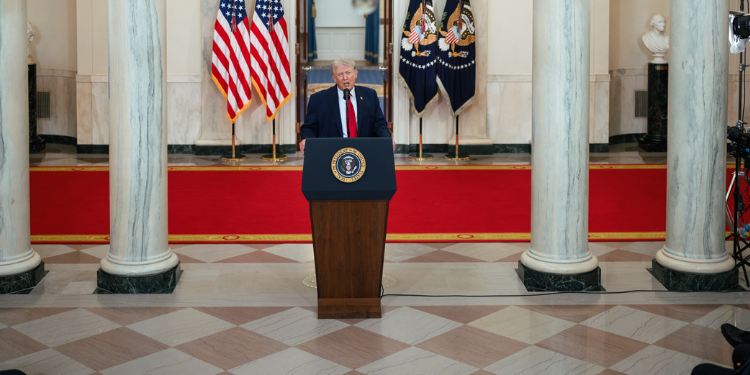
The United States and Iran reached a two-week ceasefire on April 7, 2026, after President Donald Trump set a deadline for Iran to reopen the Strait of Hormuz. White House officials said the deal requires Iran to allow oil traffic through the waterway.
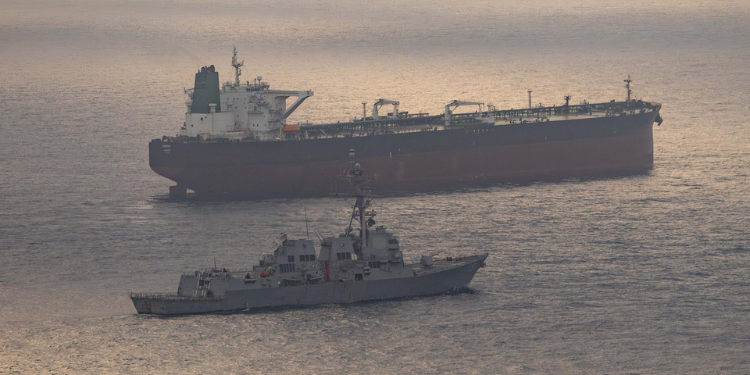
The ceasefire followed weeks of U.S. and Israeli strikes on Iranian targets that began in late February. Iran had blocked parts of the strait in response, disrupting roughly one-fifth of global oil supply.
Trump announced the pause hours before his deadline to strike Iranian infrastructure.
Also Read: Trump to Discuss Possible NATO Withdrawal in Meeting with Alliance Chief
Dispute over Lebanon
White House press secretary Karoline Leavitt told Axios on April 8 that the ceasefire does not cover Israeli strikes against Hezbollah in Lebanon.
“The U.S.-Iran ceasefire does not apply to Israel’s strikes against Hezbollah in Lebanon,” Leavitt said.
This position contradicts statements from Iran and Pakistani mediators who helped broker the deal. Israel continued large-scale attacks in Lebanon on April 8. Lebanese authorities reported at least 254 deaths from recent Israeli strikes.
Israeli Prime Minister Benjamin Netanyahu’s office stated that Israel supports the U.S. ceasefire with Iran but that it excludes operations in Lebanon. Netanyahu said Israel would keep striking Hezbollah.
Trump described the Lebanon fighting as a “separate skirmish” not included in the agreement with Iran.
Coordination between Trump and Netanyahu
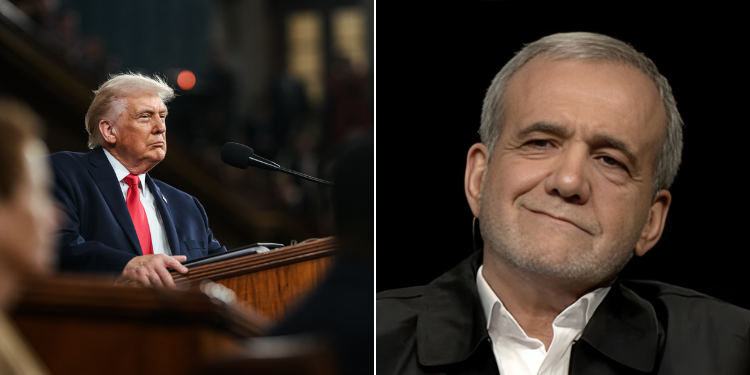
Reports indicate Trump and Netanyahu coordinated closely before and during the ceasefire talks. Netanyahu backed the two-week pause with Iran while making clear that Lebanon remained an active front.
Also Read: Fake Ceasefire? Iran issues Ultimatum to Trump Hours After Agreement
A meeting between the leaders addressed Iran’s ability to block the strait and broader regional threats.
Iran has warned that continued Israeli actions in Lebanon could lead it to re-close the Strait of Hormuz. On April 8, some Iranian state media claimed tanker traffic had halted again, though the White House called those reports false.
The U.S. position leaves Iran facing a choice: accept the limited ceasefire or risk renewed U.S. strikes if it blocks the strait. Oil prices dropped after the initial announcement but remain elevated.
Why this matters
The exclusion of Lebanon from the ceasefire puts immediate pressure on the fragile truce. Israel’s ongoing strikes risk pushing Iran to resume blocking the Strait of Hormuz, which would raise global energy prices and threaten shipping routes.
The agreement between Trump and Netanyahu shows the limits of the U.S.-Iran deal. It allows Israel to continue its campaign against Hezbollah while the U.S. focuses on the strait and nuclear issues with Iran.
This split could shorten the two-week pause and return the region to open conflict.