An Iranian parliamentary leader warned the United States on Sunday to uphold its commitments under a fragile interim peace agreement or face retaliation, hours after U.S. forces conducted fresh airstrikes on Iranian targets.
Mohammad Bagher Qalibaf, Speaker of Iran’s parliament, issued the statement on social media following the latest escalation in the Persian Gulf.
“The era of one-sided deals is OVER,” Qalibaf wrote. “We told you: keep your word or pay the price. Reality is knocking.”
The post included language from the memorandum of understanding (MOU) between the two countries, which called for Iran to facilitate safe passage of commercial vessels through the Persian Gulf to the Sea of Oman for 60 days at no charge.
Strait of Hormuz Closed After Ship Attack
Tensions surged after Iran’s Islamic Revolutionary Guard Corps attacked the Cyprus-flagged container ship GFS Galaxy, citing an unauthorized route. The strike damaged the vessel’s engine room and left one crew member missing, according to U.S. Central Command.
In response, Iran announced the indefinite closure of the Strait of Hormuz, a chokepoint for roughly one-fifth of the world’s oil and gas shipments. Iranian state media quoted the IRGC as saying the strait would remain closed until the U.S. ended its “intervention in the region.”
The closure followed weeks of back-and-forth violations of the temporary MOU, which both sides had hoped would lead to a more permanent agreement. Earlier this week, the countries exchanged fire, each accusing the other of breaking the terms first.
Also Read: Iran Closes Strait of Hormuz as IRGC Fires on Commercial Ship Amid Oman Talks
U.S. Launches Third Round of Airstrikes
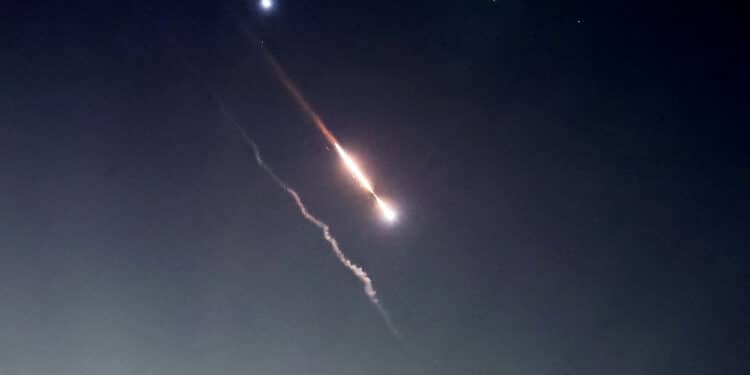
U.S. Central Command confirmed a third round of airstrikes on Iranian targets. Defense Secretary Pete Hegseth responded directly on social media: “Iran made a poor choice. Now they pay.”

The strikes come amid a reported assassination plot against President Trump, according to Israeli intelligence shared with U.S. officials. Trump has said plans exist to “decimate and destroy” Iran if such threats materialize.
On Wednesday, Trump told reporters he no longer wished to negotiate with Iran. “I don’t want to deal with them anymore,” he said. “They’re scum.”
Iran’s Supreme Leader Mojtaba Khamenei, in a Telegram post, vowed revenge for his father’s death in earlier U.S. and Israeli strikes.
Political Fallout in Washington
The escalation overshadowed other developments in the capital, including the sudden death of Sen. Lindsey Graham from a brief illness. Graham had been active on Iran policy and Russia sanctions before his passing.
Netanyahu, Israel’s prime minister, noted Graham had been “very clear” about the need to address Iran’s nuclear program. Lawmakers from both parties referenced Graham’s work as Congress considers next steps on sanctions and regional security.
Also Read: Tension Rises: Trump Orders New U.S. Strikes After Warning Iran Ceasefire May Be Over
House and Senate leaders are monitoring the Strait of Hormuz situation for its potential impact on global energy markets and shipping routes. A prolonged closure could drive up oil prices and disrupt international trade.
Prospects for Diplomacy Dim
The MOU, intended as a stepping stone to a fuller peace deal, now appears stalled. Trump declared the agreement “over” following the latest incidents.
Iranian officials have maintained that U.S. actions violate the spirit of the deal, while the administration points to the ship attack and strait closure as direct provocations.
As of Sunday, no immediate talks were scheduled. U.S. officials have emphasized that further Iranian aggression would meet a strong response, while Tehran insists it will defend its interests.
The situation remains fluid, with potential consequences for energy security, naval operations in the Gulf, and broader Middle East stability. Both sides continue to trade public statements as the immediate crisis unfolds.
TPX IMAGES OF THE DAY