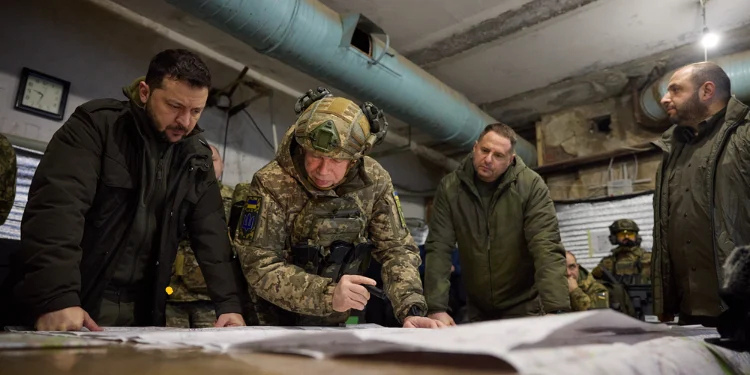
Ukraine’s top military commander has ordered a strict time limit on how long soldiers can stay at the front line, in a major move aimed at easing pressure on exhausted troops as the war with Russia enters its fifth year.
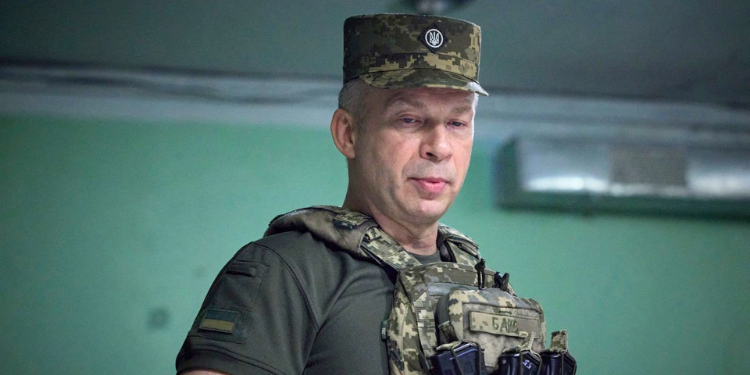
Commander-in-Chief of the Armed Forces of Ukraine, Colonel General Oleksandr Syrskyi, announced that frontline soldiers should serve no more than two months in forward positions before being rotated out.
After that period, units must be replaced within a maximum of one month.
The order applies to all combat units operating along the front.
The decision comes after months of complaints from soldiers, families, and military officials about troops being left for long periods under constant fire, often with limited rest, food, or medical care.
Many soldiers have reported serving for several months, and in some cases close to a year, without rotation.
Ukraine Issues Time Limit Order
In a public statement, General Syrskyi said modern warfare, especially the heavy use of drones by both sides, has changed how battles are fought and made frontline service far more dangerous.
He said drones have created large “kill zones” where movement is risky and resupply missions are difficult.
“Commanders must ensure that conditions are in place for service personnel to remain at their posts for up to two months, followed by a mandatory rotation, which must take place within one month,” he said.
Syrskyi stressed that timely rotation is not just an organizational matter but a lifesaving one.
Also Read: FIFA Approves Plan That Will Force Clubs to Have Academy Players in Squads
He said commanders must ensure troops are physically and mentally able to continue fighting, warning that overstretched soldiers put both themselves and their units at risk.
Under the new order, commanders must also ensure that frontline troops receive regular medical checks, enough food, and a steady supply of ammunition.
Soldiers who complete their frontline duty are supposed to get rest before being redeployed.
The timing of the announcement is significant, as it follows public anger after photos circulated online showing severely underweight soldiers from Ukraine’s 14th Separate Mechanized Brigade.
Relatives said the troops had been stuck in harsh conditions with poor supplies, sparking outrage and renewed debate about how the army treats its soldiers.
Ukraine has struggled with manpower shortages for much of the war.
While the army has expanded through mobilization, enthusiasm for service has fallen.
Also Read: Grammys President to Visit Kenya Months After Uproar Over Ksh500 M Hosting Fee
Many Ukrainians fear unclear service terms, reports of poor training, and aggressive recruitment tactics by conscription officers.
Ceasefire Efforts Underway
U.S. President Donald Trump and Russian President Vladimir Putin held a lengthy phone call on April 29, during which they discussed the war in Ukraine and the situation in the Middle East.
Trump later told reporters that he had suggested “a bit of a ceasefire” in Ukraine and said he believed Putin might accept the terms, but no concrete agreement or timeline was announced.
The Kremlin said the call lasted more than 90 minutes and described it as friendly and businesslike.
According to Russian officials, Putin expressed support for Washington’s decision to extend a ceasefire in the Iran conflict and offered Russia’s help in resolving issues linked to Iran’s nuclear program.
Trump said he would prefer Putin to focus on ending the war in Ukraine rather than mediating elsewhere.
Ukraine responded cautiously, with President Volodymyr Zelenskyy saying Kyiv supports a genuine, long‑term ceasefire but wants clarity on any proposals discussed between Washington and Moscow.
He stressed that Ukraine would not accept short or symbolic pauses in fighting that do not lead toward lasting peace.